
When you face flood water damage, knowing how to assess it properly is essential. Start by ensuring your safety and identifying the type of water involved. You’ll need to document everything carefully, from structural issues to personal belongings. Each step plays an important role in the recovery process. As you move forward, understanding the next actions can greatly impact your restoration efforts. What comes next might surprise you.
Key Takeaways
- Evaluate the flooded area for hazards, ensuring safety precautions are in place before entering.
- Identify the type of flood water present to determine appropriate cleanup strategies.
- Document the damage extensively with clear photos and notes for insurance purposes.
- Inspect the structure for signs of damage, focusing on foundations, walls, and roofing.
- Consult professionals for contaminated water cleanup and electrical system inspections.
Prioritize Your Safety Before Entering a Flooded Area
Before you enter a flooded area, it’s essential to prioritize your safety. Start by evaluating the situation from a distance look for moving water, electrical hazards, or unstable structures.
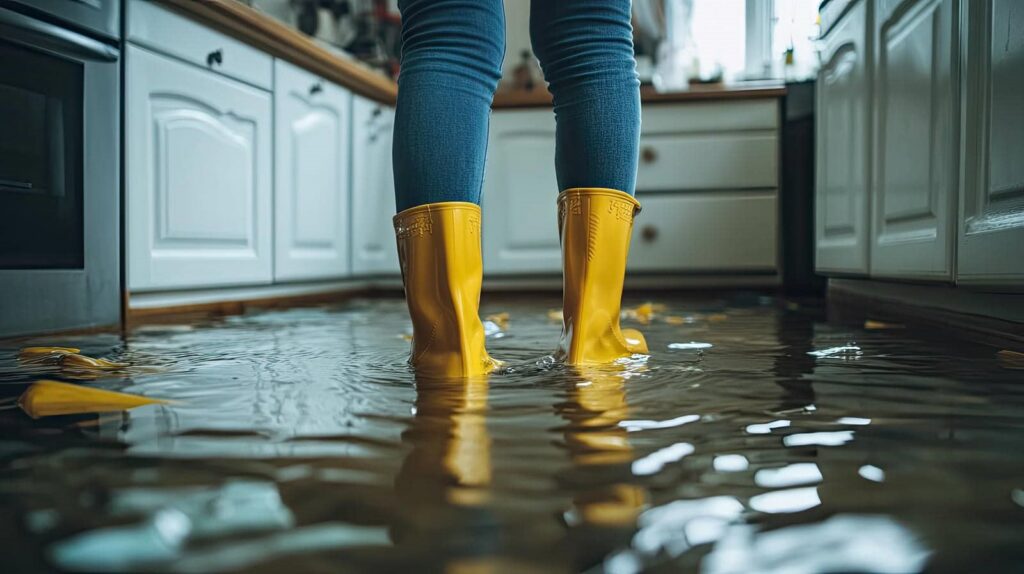
Always wear appropriate gear, like waterproof boots and gloves, to protect yourself. Remember, flood safety is paramount; never enter fast-moving water or areas where you can’t see the ground.
Ensure you’ve prepared for emergencies by having a plan in place, including a way to communicate with others. Keep emergency supplies, like a flashlight and first-aid kit, easily accessible.
How to Identify Different Types of Flood Water Damage
When evaluating flood water damage, it’s essential to identify the type of water involved.
Flood water can be categorized into clean, gray, and black water, each posing different risks and requiring specific cleanup approaches.
Employing effective damage evaluation techniques will help you accurately assess the severity of the situation.
Types Of Flood Water
Flood water can vary considerably in its source and contamination level, leading to different types of damage. Understanding flood water classifications is essential for evaluating the situation effectively.
Here are the three primary contaminated water types you should know:
Clean Water: Originates from a clean source, like rain or broken pipes. This type is generally less harmful but still needs prompt attention.
Grey Water: Comes from sinks, showers, or washing machines. It contains some contaminants and can pose health risks if not managed quickly.
Black Water: Highly contaminated, originating from sewage or floodwaters. This type is dangerous and requires professional cleanup to avoid serious health hazards.
Identifying these types can help you take the right steps for remediation.
Damage Assessment Techniques
To effectively assess flood water damage, you need to identify the type of water involved, as each comes with distinct implications for your property.
Begin with damage evaluation by examining the affected areas. If the water is clean, like from a broken pipe, you may only need basic restoration strategies.
Contaminated water, however, poses health risks and requires more thorough cleaning and repairs. Look for discoloration, mold growth, or foul odors, as these indicate the severity of the damage.
Document your findings with photos and notes to assist in insurance claims and further evaluations.
Document Flood Water Damage With Photos and Notes
Capturing thorough documentation of water damage is essential for both recovery and insurance claims. You can streamline this process by implementing effective photo organization and note-taking strategies. Here’s how:
Take Photos: Snap clear pictures of all affected areas, ensuring you capture the extent of the damage from multiple angles.
Label and Organize: Create folders on your device for different rooms or categories of damage. Use descriptive filenames for easy reference.
Note Key Details: Jot down specific notes about each photo, including the date, location, and a description of the damage.
This organized approach not only helps in filing your insurance claims but also provides clarity during your recovery process. You’re not alone in this; many find this method beneficial.
Check Your Home’s Structural Integrity After a Flood
After a flood, it’s vital to check your home’s structural integrity.
Start by inspecting for foundation cracks, then look at load-bearing walls for any signs of damage, and finally assess the stability of your roof.
Taking these steps will help guarantee your safety and prevent further issues.
Inspect Foundation Cracks
Inspecting foundation cracks is essential for evaluating your home’s structural integrity following a flood.
These cracks can indicate underlying issues that need immediate attention. To conduct a thorough foundation inspection, follow these steps for effective crack assessment:
Identify the cracks: Look for visible cracks on the interior and exterior walls, noting their size and location.
Measure their width: Use a ruler to measure the width of the cracks. A crack wider than 1/4 inch may require further evaluation.
Monitor changes: Mark the cracks with a pencil and check them periodically. New or widening cracks could signal serious problems.
Check Load-Bearing Walls
Once you’ve assessed foundation cracks, it’s time to check your load-bearing walls to confirm your home’s structural integrity remains intact after a flood.
Inspect these critical walls for any signs of damage like bowing or cracking. Look for compromised load-bearing materials, as they can jeopardize your home’s stability.
If you notice any issues, consider wall reinforcement options to guarantee safety. Reinforcement could involve adding steel beams or braces to support weakened areas effectively.
Don’t hesitate to consult a professional if the damage seems substantial.
Assess Roof Stability
As you assess your home’s structural integrity post-flood, it’s crucial to evaluate the stability of your roof.
A thorough roof inspection guarantees your safety and protects your investment. Here’s how to conduct a stability assessment effectively:
Check for Obvious Damage: Look for sagging, cracks, or missing shingles. These signs can indicate structural issues.
Inspect the Attic: Examine the rafters and trusses for any warping, moisture damage, or mold growth.
Assess Water Accumulation: Verify there’s no pooling water on the roof, as this can lead to further damage.
Taking these steps will help you understand your roof’s condition and guide your next actions.
Evaluate and Salvage Your Personal Belongings
After the floodwaters recede, it’s essential to evaluate and salvage your personal belongings as soon as possible.
Start by prioritizing belongings based on their sentimental and monetary value. Check for salvageable items like important documents, electronics, and furniture.
Carefully inspect each item for water damage; if something’s soaked, it may not be worth keeping. Take photos for insurance purposes, and keep a detailed inventory of what you’ve salvaged.
For items that can be cleaned, follow proper procedures to restore them, but be cautious with mold-prone materials. If you’re unsure about an item’s condition, consult professionals for advice.
The sooner you act, the better your chances of saving what truly matters to you.
How to Detect Mold and Moisture Problems After a Flood?
After a flood, it’s essential to check for mold and moisture issues in your home.
Start with a visual inspection, then use a moisture meter for accurate readings, and don’t overlook any unusual odors that could indicate hidden problems.
Addressing these signs promptly can help prevent further damage and health risks.
Visual Inspection Techniques
When evaluating flood damage, it’s crucial to conduct a thorough visual inspection to identify potential mold and moisture problems. This step is important for flood safety and effective damage prevention.
Here are three techniques to help you spot issues:
Check for discoloration: Look for brown or black stains on walls and ceilings, which often signal mold growth.
Inspect surfaces: Feel for dampness on floors, carpets, and furniture. If they feel wet, moisture is likely present.
Look for warping: Notice any warped or buckled materials, as they can indicate prolonged exposure to water.
Moisture Meter Usage
A moisture meter is an essential tool for detecting hidden mold and moisture issues in your home following a flood.
There are various moisture meter types, including pin and pinless meters, each serving different needs. Pin meters penetrate materials to measure moisture content, while pinless meters provide non-invasive readings.
After choosing the right type, you’ll need to guarantee proper moisture meter calibration for accurate results. Start by testing in areas that seem damp or discolored, such as walls and floors. Move slowly to track moisture levels effectively.
Remember to check materials like wood or drywall, which can harbor mold if moisture persists. By using a moisture meter, you can take proactive steps to protect your home and family from mold-related health risks.
Odor Detection Methods
Using a moisture meter can help identify problem areas, but sometimes the most telling sign of hidden damage is a musty odor. If you notice this scent, it’s essential to investigate further.
Here are some effective methods for odor detection:
Visual Inspection: Check for water stains, mold growth, or damp spots, as these can indicate odor sources.
Scent Detection: Move through the affected area, taking note of any stronger musty odors. This can help pinpoint specific locations.
Air Quality Testing: Consider using air sampling kits to identify airborne mold spores, which can confirm moisture problems.
How to Safely Inspect Your Electrical Systems and Appliances?
Although floodwaters can severely damage your electrical systems and appliances, it’s essential to conduct a thorough inspection before restoring power.
Start by guaranteeing your safety: turn off the main electrical supply and wear rubber gloves and boots.
Check for visible signs of damage, like corrosion or water stains, on outlets and circuits.
For appliance inspection, carefully examine each device for water exposure. Disconnect appliances and allow them to dry completely before plugging them back in.
If you notice any damage, consult a qualified electrician before attempting repairs.
Prioritizing electrical safety protects you and your home.
Contact Your Insurance Company for Coverage and Claims
After evaluating the damage to your home, it’s crucial to contact your insurance company promptly to understand your coverage options and initiate the claims process. Here’s how to get started:
Review Your Insurance Policy: Familiarize yourself with what’s covered in your policy, including any exclusions. This information will guide your conversation.
Document the Damage: Take photos and make a list of all affected items. This documentation will support your claim and help the adjuster assess the situation.
File Your Claim: Contact your insurer to report the damage. Provide them with your documentation and follow their instructions for the claims process.
Taking these steps will guarantee you’re well-prepared to navigate your insurance coverage and recover from the flood damage effectively.
Consult With Water Damage Restoration Professionals
Once you’ve reported the damage to your insurance company, it’s time to consult with water damage restoration professionals.
These experts can assess the situation and provide a tailored plan for effective water restoration. They’ll evaluate the extent of the damage, identify hidden issues, and recommend the best solutions to minimize further harm.
During your professional consultation, don’t hesitate to ask questions about their methods and timelines. This is your home, and understanding the process is vital.
Create Your Flood Recovery Action Plan
Creating a flood recovery action plan is essential for efficiently restoring your home and minimizing disruptions.
Start by evaluating the damage and prioritizing tasks. Here’s how to make your action plan effective:
Document the Damage: Take photos and notes of affected areas. This will help with insurance claims and restoration efforts.
Contact Professionals: Reach out to water damage restoration experts for guidance and assistance. Their expertise can expedite your flood recovery.
Develop a Timeline: Outline when you’ll tackle each task, from initial cleanup to repairs. A clear timeline keeps you organized and motivated.
Frequently Asked Questions
How Long Does It Take for Flood Damage to Show Up?
Flood damage can show up within hours to days. Early damage indicators include discoloration, mold growth, and structural weakening. Understanding the flood damage timeline helps you address issues promptly, ensuring your space remains safe and livable.
Can I Clean up Flood Water Myself?
Yes, you can clean up flood water yourself using DIY water extraction methods. However, make certain you follow proper flood cleanup techniques, prioritize safety, and consider professional help for extensive damage to avoid health hazards.
What Items Are Typically Not Covered by Insurance?
Items typically not covered by insurance include damages from flood exclusions and insurance limitations. This often involves basements, personal belongings, and specific structural repairs, so it’s essential to review your policy carefully for details.
How Can I Prevent Future Flooding in My Home?
To prevent future flooding, make certain your drainage systems are clear and functional. Installing sump pumps can be a lifesaver, effectively redirecting water away from your home and keeping your sanctuary safe and dry.
What Health Risks Are Associated With Flood Water Exposure?
Flood water exposure poses health risks from pathogens, leading to infections and gastrointestinal illnesses. You should be aware of potential long-term effects, including chronic respiratory issues or skin conditions. Always prioritize safety when dealing with contaminated water.
Review
As you wrap up your assessment, remember that each detail matters. The damage you’ve documented could mean the difference between a swift recovery and a prolonged struggle. With your safety guaranteed and the situation evaluated, it’s time to take decisive action. Will your insurance cover the costs? Are professionals needed for the challenging task ahead? The answers lie in your organized notes and the steps you take next. Don’t wait your recovery starts now.