
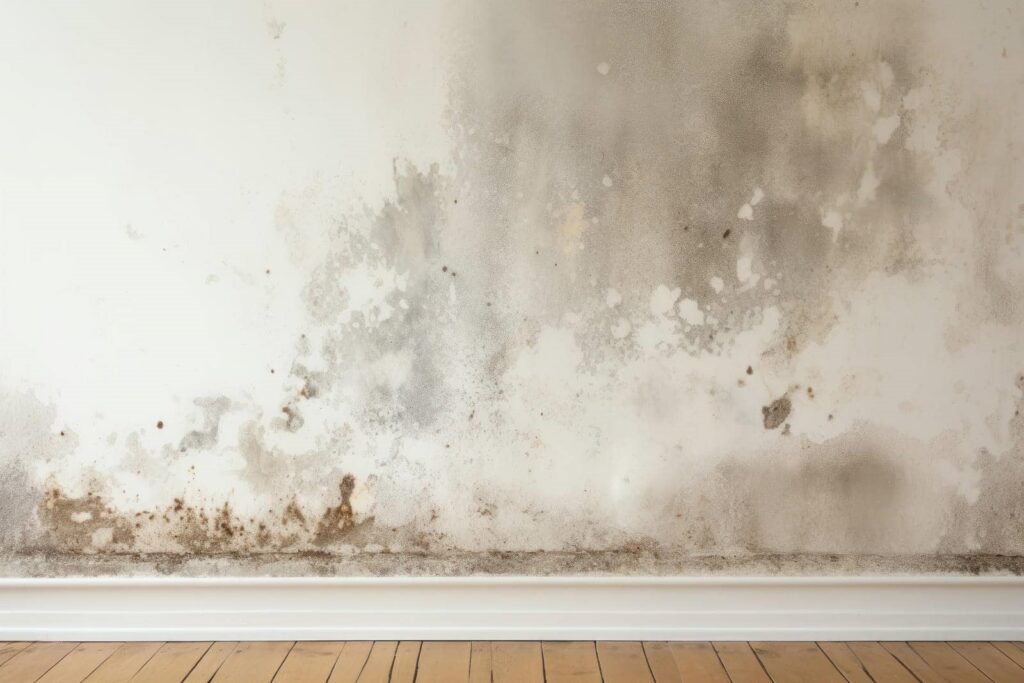
When it comes to mold damage, timely evaluation is vital. You need to recognize the signs early to prevent further complications. Visual inspections can reveal obvious issues, but hidden moisture sources often require more advanced techniques. By leveraging specific evaluation methods, you can accurately assess contamination levels and take appropriate action. Understanding these techniques can greatly impact how you manage mold risks in your environment. What are the essential methods you should be aware of?
Key Takeaways
- Conduct thorough visual inspections for visible mold signs, discoloration, and musty odors to identify potential growth areas.
- Utilize moisture meters and thermal imaging cameras to uncover hidden moisture sources that promote mold growth.
- Perform air quality tests to measure mold spore levels and assess the severity of contamination in the environment.
- Sample surfaces and materials to determine the type and extent of mold present, guiding appropriate remediation efforts.
- Regular inspections and early evaluations are crucial for preventing health risks and maintaining property integrity.
Why You Must Evaluate Mold Damage Early
When you ignore the signs of mold damage, you risk exacerbating the problem and increasing repair costs considerably.
Evaluating mold damage early allows you to implement preventive measures, protecting your home and health. Mold can lead to severe health risks, including respiratory issues and allergic reactions, especially for vulnerable individuals.
By reviewing the situation promptly, you can identify the source of moisture and mitigate conditions that promote mold growth. Early detection not only saves you money on extensive repairs but also fosters a healthier living environment for you and your family.
Prioritizing mold evaluation is essential in maintaining your property’s integrity and safeguarding your well-being, reinforcing your sense of belonging in a safe, clean home.
How to Identify Mold Damage With Visual Inspection Techniques
Visual inspection is an essential first step in identifying mold damage within your home. Using effective mold identification methods, you can quickly assess areas prone to moisture, such as basements, bathrooms, and around windows.
Equip yourself with visual inspection tools like flashlights, moisture meters, and magnifying glasses to enhance your examination. Look for visible signs of mold growth, including discoloration, fuzzy textures, or water stains on walls and ceilings.
Pay attention to musty odors, which often indicate hidden mold. Additionally, check for any peeling paint or wallpaper, as these can be indicators of moisture issues.
Essential Techniques for Mold Damage Evaluation
To effectively evaluate mold damage, you need to employ a combination of inspection methods and analytical tools that go beyond mere observation.
Start with extensive mold assessment methods, including moisture meters and thermal imaging cameras, to detect hidden moisture sources. These tools allow you to identify areas at risk for mold growth, enhancing your damage identification strategies.
Conduct air quality tests to measure spore levels and assess the severity of contamination. Don’t overlook the importance of sampling surfaces and materials, as this can reveal the type and extent of mold present.
Frequently Asked Questions
Can I Evaluate Mold Damage Without Professional Help?
Yes, you can evaluate mold damage without professional help. Use mold identification techniques and conduct a DIY mold assessment by inspecting affected areas, checking for discoloration, and employing moisture meters to gauge potential problems effectively.
How Long Does Mold Evaluation Usually Take?
Mold evaluation usually takes one to several hours, depending on the extent of mold growth and the complexity of the evaluation process. You’ll need to thoroughly inspect all affected areas to guarantee accurate assessment.
What Tools Are Essential for Mold Evaluation?
Over 50% of homes have mold issues. For thorough mold evaluation, you’ll need mold testing equipment and moisture meters. These tools help you accurately assess moisture levels, ensuring effective remediation and maintaining a healthy living environment.
Is Mold Damage Covered by Homeowners Insurance?
Mold damage isn’t always covered by homeowners insurance. Many policies exclude mold coverage, so you should thoroughly review your insurance documents. If you’re uncertain, consult your agent to clarify specific coverage details in your policy.
How Can I Prevent Mold Growth After Evaluation?
To prevent mold growth, embrace preventative measures like maintaining humidity control below 60%. Ventilate spaces, use dehumidifiers, and fix leaks promptly. This proactive approach fosters a healthy environment, ensuring you and your loved ones feel secure.
Final Thoughts
In the battle against mold, early evaluation acts like a lighthouse in a storm, guiding you away from hidden dangers. By harnessing visual inspections, moisture detection, and air quality testing, you can uncover the lurking threats within your property. Think of these techniques as your toolkit, each instrument playing a vital role in dismantling mold’s stronghold. Don’t wait for the spores to multiply; take action now to safeguard your health and preserve your home from this insidious foe.