
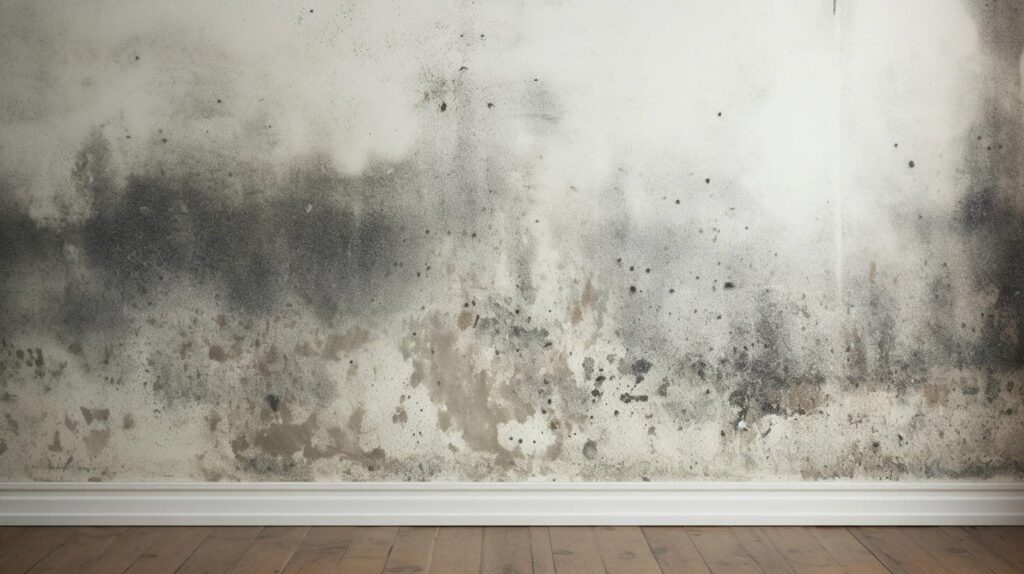
Imagine walking into a damp basement and noticing a musty odor—this could be a sign of mold growth. To effectively evaluate such mold evaluation situations, professionals rely on a series of systematic techniques that guarantee accurate identification and assessment of mold issues. From visual inspections to advanced thermal imaging, understanding these methods is essential for maintaining a healthy indoor environment. Let’s explore these seven best practices for mold evaluation to safeguard your space.
Key Takeaways
- Conduct thorough visual inspections to identify signs of mold growth and moisture issues in key areas like basements and bathrooms.
- Utilize air quality testing to measure mold spore levels and evaluate indoor air environments effectively.
- Implement surface sampling methods, such as swab and tape lift sampling, to identify specific mold types and contamination levels.
- Employ moisture mapping and thermal imaging techniques to detect potential moisture sources contributing to mold growth.
- Compile a comprehensive mold assessment report detailing findings, recommended remediation actions, and follow-up evaluation timelines.
Why You Need a Professional Mold Evaluation
When you suspect mold in your home, it’s essential to call in a professional for an evaluation. Mold health risks can greatly impact your family’s well-being, leading to respiratory issues, allergies, and other health complications.
Professionals possess the expertise to identify hidden mold sources and assess contamination levels accurately. They use specialized equipment to conduct thorough air and surface tests, ensuring no area is overlooked.
Additionally, they offer tailored prevention strategies, such as improving ventilation and humidity control, to mitigate future mold growth. By relying on a professional, you enhance your understanding of the problem and secure a healthier living environment for your loved ones.
Don’t compromise on your health; take proactive steps to safeguard your home.
Visual Inspection for Effective Mold Evaluation
A thorough visual inspection is a fundamental step in mold evaluation that can reveal signs of mold growth and the conditions that support it.
You should utilize effective inspection techniques to identify visual cues such as discoloration, water damage, or musty odors. Focus on areas prone to moisture, like basements, bathrooms, and around windows.
Look for surface irregularities, peeling paint, or damp spots, as these often indicate hidden mold. Document your findings meticulously, as these observations will guide further actions.
Engaging in this detailed inspection not only enhances your understanding but also fosters a sense of community among those who prioritize a healthy living environment.
Measuring Mold Spore Levels With Air Quality Testing
Measuring mold spore levels through air quality testing is essential for evaluating indoor environments.
You’ll need to understand various testing methodologies to obtain accurate data and gauge the air quality effectively.
Once the tests are conducted, interpreting the results will guide you in determining the presence and potential impact of mold spores in your space.
Importance Of Air Quality
Air quality plays an essential role in understanding the presence and impact of mold spores in indoor environments. By measuring mold spore levels, you can identify indoor pollutants that compromise your space.
Recognizing these pollutants is imperative, as they can lead to significant health risks, particularly for individuals with respiratory conditions or weakened immune systems. Regular air quality assessments help you monitor not just mold but also other harmful substances that may circulate in your home or workplace.
This proactive approach enables you to take necessary actions to improve air quality, thereby fostering a safer and healthier environment for everyone. Ultimately, understanding the importance of air quality empowers you to create a space that supports well-being and productivity.
Testing Methodologies Explained
While you may know that air quality greatly impacts health, understanding how to measure mold spore levels is crucial for effective evaluation.
Mold testing typically involves air sampling, where specialized equipment captures airborne spores. This process often uses spore traps or impactors to collect samples over a designated time. You’ll want to ascertain that these samples are collected strategically, considering areas with potential mold growth.
Evaluation techniques also include surface sampling, which allows you to assess visible mold contamination. Analyzing the collected samples in a laboratory reveals the type and concentration of mold present.
Interpreting Test Results
After collecting samples using various testing methodologies, interpreting test results is key to understanding mold spore levels in your environment.
You’ll want to analyze the specific mold species present, as different types can pose varying health risks. For instance, while some molds are relatively harmless, others can trigger allergies, respiratory issues, or more severe reactions.
Compare your results against established baseline levels to assess whether your environment exceeds safe thresholds. Pay attention to the ratio of different mold species, as this can indicate ongoing moisture problems or potential sources of contamination.
Surface Sampling: Identifying Mold Types
When evaluating mold presence, surface sampling is vital for identifying specific mold types.
You’ll want to utilize common methods like tape lifts or swabs, ensuring accurate collection for reliable analysis.
Understanding the results of these samples is essential, as proper identification informs remediation strategies and health risk assessments.
Common Surface Sampling Methods
Surface sampling methods are essential tools for identifying mold types in an environment. By employing these techniques, you can accurately assess the presence and variety of mold.
Here are four common surface sampling methods you should consider:
- Swab Sampling: Using a sterile swab to collect mold from surfaces, this method allows for targeted mold identification.
- Tape Lift Sampling: A clear adhesive tape is pressed onto the surface, capturing mold spores that can be analyzed later.
- Bulk Sampling: This involves collecting a piece of the contaminated material itself for thorough examination.
- Vacuum Sampling: A vacuum device collects mold spores from surfaces, offering a non-destructive way to gather samples.
Using these surface sampling techniques will enhance your mold identification process and guarantee a thorough evaluation.
Interpreting Mold Sample Results
Interpreting mold sample results is essential for understanding the types of mold present in your environment, as different species can have varying health implications.
When analyzing your results, focus on the identified spore types. Each type corresponds to specific mold growth conditions and potential risks. For instance, Aspergillus and Penicillium are common indoor molds, often linked to respiratory issues.
In contrast, Stachybotrys chartarum, known as black mold, can pose serious health threats. By recognizing these spore types, you can assess the severity of contamination and determine necessary remediation steps.
Always compare your results against established guidelines to guarantee accurate evaluation. Understanding these details fosters a safer environment for you and those around you, emphasizing the importance of thorough mold assessment.
Importance of Accurate Identification
Accurate identification of mold types is essential for effective remediation and health protection. When you implement proper identification techniques, you enhance safety and guarantee successful mold management.
Here are four key steps to follow:
- Visual Inspection: Start by examining surfaces for visible mold growth, noting color and texture.
- Surface Sampling: Collect samples from affected areas using swabs or tape lifts to analyze mold types present.
- Laboratory Analysis: Send samples to a certified lab for precise identification, determining species and potential health risks.
- Documentation: Keep detailed records of findings and methodologies to track progress and inform future evaluations.
Moisture Mapping Techniques for Finding Hidden Water Sources
How can you effectively uncover hidden water sources that contribute to mold growth? Utilizing moisture mapping techniques is essential.
Start by identifying potential moisture sources like leaks or condensation points. Use mapping methods such as moisture meters and hygrometers to measure humidity levels in various areas.
Create a detailed map indicating high-moisture zones, which will guide your investigation. Pay close attention to walls, ceilings, and hidden spaces behind appliances.
Conducting a thorough visual inspection complements your mapping efforts, enabling you to correlate moisture readings with physical signs of water damage.
Detecting Hidden Mold With Thermal Imaging
While traditional inspection methods can reveal visible mold, detecting hidden mold often requires more advanced techniques, such as thermal imaging. This method helps you identify temperature variations that indicate hidden moisture, which can foster mold growth.
Here’s how thermal imaging can assist you:
- Identify temperature anomalies: These indicate potential moisture issues behind walls or ceilings.
- Pinpoint problem areas: You can target specific locations for further inspection, minimizing unnecessary disruption.
- Detect leaks early: By spotting hidden moisture, you can address leaks before they escalate into larger mold problems.
- Enhance overall assessment****: Combining thermal imaging with other techniques provides a thorough view of your environment.
Using thermal imaging, you can effectively uncover hidden mold and protect your space from potential damage.
Understanding Your Mold Assessment Report
When reviewing your mold assessment report, what should you focus on to guarantee a thorough understanding of the findings?
Start by familiarizing yourself with the mold report components, which typically include sample results, visual inspection notes, and recommendations for remediation.
Pay close attention to assessment terminology; understanding terms like “spore count” and “species identification” can clarify the severity of the issue.
Look for any discrepancies between the visual inspection and lab results, as these may indicate hidden mold.
It’s essential to acknowledge the recommended actions, timelines, and any follow-up assessments suggested.
Frequently Asked Questions
How Much Does a Professional Mold Evaluation Typically Cost?
A professional mold evaluation typically costs between $300 and $600. Factors influencing evaluation pricing include property size, mold type, and location. Understanding mold testing costs helps you budget effectively for thorough assessments and remediation.
How Long Does a Professional Mold Evaluation Usually Take?
A professional mold evaluation usually takes two to four hours. Factors affecting duration include property size, extent of mold, and necessary testing. You’ll appreciate thoroughness, ensuring every potential issue is identified and addressed effectively.
What Qualifications Should I Look for in a Mold Inspector?
Are you sure your home’s safe? Look for a mold inspector with relevant certifications, solid experience, and a proven track record. This guarantees they understand the complexities of mold issues and can protect your space effectively.
Can I Stay in My Home During the Evaluation?
You can stay in your home during the evaluation, but guarantee mold safety precautions are in place. The evaluation process might disturb areas, so be prepared for potential exposure and follow the inspector’s recommendations closely.
What Happens if Mold Is Found During the Evaluation?
If mold’s found, think of it as a hidden iceberg—much lies beneath. You’ll explore remediation options to eliminate it, while considering potential health risks to guarantee a safe, welcoming environment for everyone in your home.
Summary
A professional mold evaluation is vital for maintaining a safe environment. By combining visual inspections, air quality testing, and moisture mapping, you gather an extensive understanding of mold presence. Imagine the layers of a cake, each technique revealing critical information, from surface contamination to hidden sources. Your mold assessment report serves as the recipe, guiding you through tailored remediation steps. Prioritizing these evaluations not only safeguards your health but also guarantees a sustainable, mold-free space for years to come.