
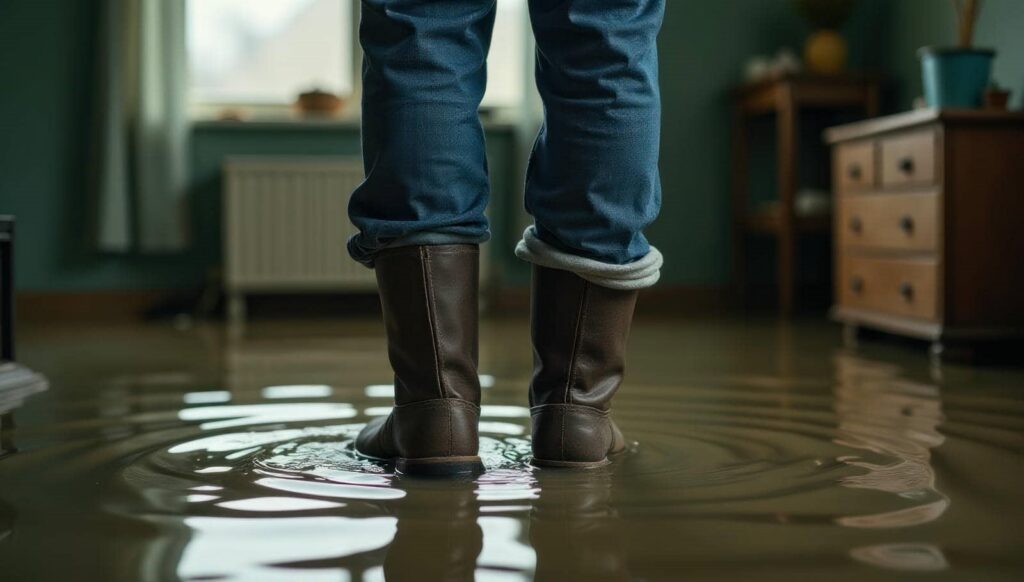
Water damage can feel overwhelming, but it doesn’t have to break the bank. By taking a few practical steps, you can effectively address the issue without spending a fortune. From identifying the source of the leak to finding budget-friendly materials, there are smart strategies to evaluate. If you’re unsure where to start, these budget-friendly water damage repair tips can guide you through the process with ease and confidence.
Key Takeaways
- Explore local salvage yards for affordable, quality repair materials to save costs on water damage fixes.
- Visit discount home improvement stores for budget-friendly options and clearance deals on essential supplies.
- Check online marketplaces like Craigslist or Facebook Marketplace for inexpensive materials and tools for repairs.
- Utilize DIY techniques like improving airflow and drying out areas quickly to prevent mold without incurring high costs.
- Document all damage thoroughly for potential insurance claims, ensuring you receive financial support for repairs.
Identify the Source of Water Damage
Before you can tackle any water damage repair, you need to identify the source of the problem. Start with leak detection; check for visible leaks under sinks, around appliances, and in your roof.
If you can’t spot anything, moisture meters can be a game changer. These handy tools measure moisture levels in walls and floors, helping you pinpoint hidden issues.
Once you locate the source, you can address it effectively, whether it’s a leaky pipe or poor drainage. Remember, catching the problem early can save you money and stress down the line.
Don’t hesitate to reach out to professionals if needed—community support is valuable when dealing with home repairs. You’re not alone in this!
Assess Damage Before Repairs
Before jumping into repairs, take a moment to assess the damage thoroughly.
Identify all affected areas this helps you understand the full extent of the issue.
Don’t forget to document everything; having a detailed record will be invaluable for your repair plan and any insurance claims.
Identify Affected Areas
Water damage can happen unexpectedly, so it’s essential to identify the affected areas right away.
Start by checking for water stains on walls, ceilings, and floors; they’re often your first clue. Look for discoloration or peeling paint, which can signal hidden leaks behind surfaces.
Don’t forget to inspect areas near pipes, appliances, and your roof for signs of dampness. If you notice a musty smell, that could indicate mold growth, which thrives in moisture.
Document Damage Thoroughly
Once you’ve identified the affected areas, documenting the damage is a vital next step. This not only helps in evaluating the situation but also aids in any insurance claims.
Here’s how you can effectively document the damage:
- Take Photos: Capture clear images of all affected areas from different angles.
- Make Notes: Write detailed descriptions of the damage, including dates and the type of damage observed.
- Organize Records: Use document storage solutions to keep all your photos and notes in one place for easy access.
Use DIY Techniques for Different Types of Minor Water Damage
Before tackling any water damage, you need to identify the source to prevent future issues.
Once you’ve done that, there are simple drying techniques and minor repair methods you can use to restore your space without breaking the bank.
Let’s explore how you can effectively handle these tasks on your own.
Identify Water Source First
How can you effectively tackle minor water damage if you don’t first identify the source?
Pinpointing the origin of a water leak is essential for successful repair. Here are some DIY techniques for moisture detection:
- Visual Inspection: Check for damp spots, discoloration, or peeling paint on walls and ceilings. These signs can indicate where the leak might be originating.
- Listen Carefully: Use your ears! A dripping or running sound can help you locate hidden leaks behind walls or under floors.
- Smell for Mold: A musty odor often points to moisture accumulation. If you detect this, it’s time to investigate further.
Drying Techniques To Employ
When dealing with minor water damage, employing effective drying techniques is essential to prevent further complications like mold growth or structural issues.
Start by enhancing air circulation in the affected area; open windows and use fans to increase airflow. This helps speed up moisture removal.
If you’re dealing with carpets, lift them to allow air underneath and speed up drying. For walls and furniture, wipe down surfaces with a dry cloth and keep them well-ventilated.
You might also consider using a dehumidifier to draw out excess moisture from the air.
Repairing Minor Damage Easily
While tackling minor water damage may seem challenging, you can easily manage it with a few effective DIY techniques.
These minor repairs not only restore your space but also serve as cost-effective solutions. Here are three simple steps to get you started:
- Assess the Damage: Identify the source and extent of the water damage. This helps you decide the best approach.
- Dry the Area: Use fans and dehumidifiers to eliminate moisture. This prevents mold growth and further damage.
- Repair and Repaint: Patch up any holes or cracks with a suitable filler. Once it’s dry, repaint to blend with your decor.
Prioritize Quick Drying to Prevent Water Damage Mold
To effectively combat mold growth after water damage, prioritizing quick drying is essential.
Start by removing any standing water with a wet-dry vacuum or towels. Open windows and doors to enhance airflow, and use fans or dehumidifiers to speed up the drying process. Aim to dry out affected areas within 24 to 48 hours for ideal mold prevention.
Check hidden spots like behind walls or under carpets, as moisture can linger there. If you notice dampness persisting, consider calling in professionals.
Find Budget-Friendly Repair Materials
Finding budget-friendly repair materials can save you a significant amount of money when dealing with water damage. You don’t need to break the bank; instead, consider these options for sourcing affordable supplies:
- Local Salvage Yards: You can often find quality materials at a fraction of the cost, from flooring to fixtures.
- Discount Home Improvement Stores: These stores frequently offer budget materials that are perfect for repair projects, often including clearance items.
- Online Marketplaces: Websites like Craigslist or Facebook Marketplace often have local sellers offering cheap or free salvage supplies you can use.
Implement Temporary Repair Strategies Before Long-Term Solutions
When water damage strikes, implementing temporary repair strategies can help mitigate further issues until you’re ready for a permanent fix.
Start by identifying the source of the leak and stopping it if possible. Use tarps or plastic sheeting as temporary fixes to cover damaged areas, keeping water out.
If you have soaked carpets, elevate them to dry and reduce mold risk. Apply fans and dehumidifiers to speed up the drying process.
Remember, these emergency measures are essential for protecting your home and belongings. Document the damage for insurance purposes, too.
While these temporary solutions won’t last forever, they’ll offer you peace of mind as you plan for more permanent repairs. Your home deserves the best care.
Take Preventative Measures Against Future Water Damage
Although water damage can be unpredictable, taking preventative measures can greatly reduce your risk of future issues. You can protect your home and wallet with a few strategic steps:
- Install moisture barriers in areas prone to dampness, like basements and crawl spaces. This helps keep water from seeping through.
- Apply water resistant coatings on exterior walls and foundations. These coatings act as a shield against rain and moisture.
- Regularly inspect and maintain your roof and gutters to guarantee they’re free of debris. Proper drainage prevents water from pooling and causing damage.
Frequently Asked Questions
How Can I Tell if Water Damage Is Serious?
You can tell if water damage is serious by checking for water stains on walls and ceilings. If you notice soft spots or structural integrity issues, it’s essential to address the problem immediately to prevent further damage.
What Are the Signs of Hidden Water Damage?
You’ll notice warning signs of hidden water damage like damp spots, peeling paint, or mold. Keep an eye out for musty odors and warped floors, too. Addressing these issues early can save you a lot of trouble.
Can I File an Insurance Claim for Water Damage?
Yes, you can file an insurance claim for water damage. Review your insurance policy, gather evidence, and start the claim process. Your home deserves care, and you’re not alone in steering through these waters.
How Often Should I Check for Water Damage?
You should check for water damage at least quarterly. Using moisture monitoring techniques helps you spot issues early. Regular water inspection frequency keeps your home safe and guarantees you maintain a comfortable, welcoming space for everyone.
What Is the Best Way to Prevent Mold Growth?
To prevent mold growth, focus on moisture control. Keep humidity below 60%, fix leaks promptly, and guarantee proper ventilation in areas like bathrooms and kitchens. Regularly inspect your home for dampness to protect your space.
Wrap-Up
By following these budget-friendly tips, you can tackle water damage effectively without breaking the bank. You might even stumble upon unexpected solutions, like finding the perfect materials at a local salvage yard just when you need them most. Remember, quick action not only saves your space but also prevents costly mold issues down the line. So, keep your eyes peeled and stay proactive after all, the best repairs often come from a little creativity and resourcefulness!