
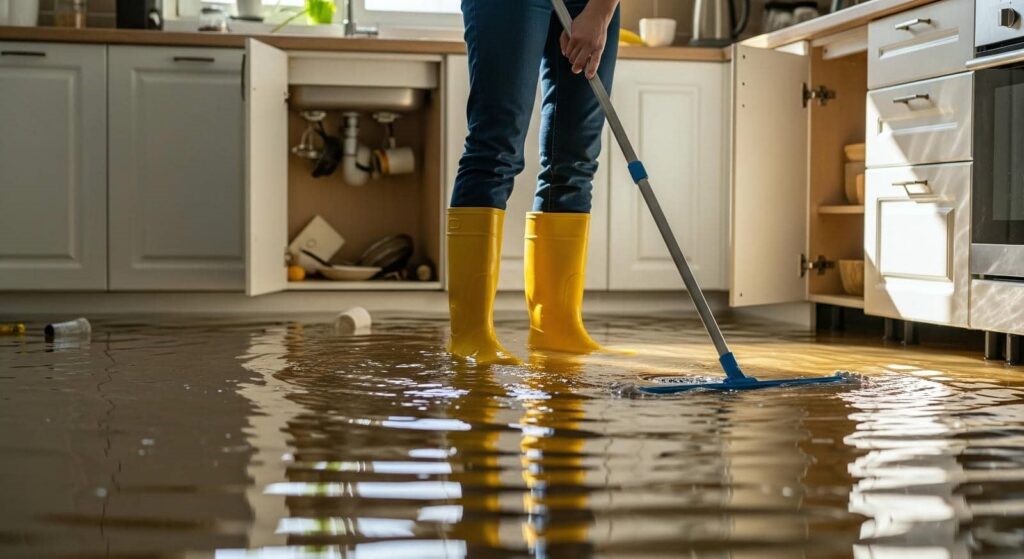
You might not realize that the way you handle water damage immediately after it occurs can greatly impact your insurance claim outcome. With the right steps, you can streamline the process and increase your chances of a favorable resolution. However, many homeowners overlook critical aspects of documentation and communication. Understanding these nuances is essential if you want to navigate the complexities of emergency water removal claims effectively.
Key Takeaways
- Identify the source of water damage immediately and document it thoroughly for your insurance claim.
- Take clear photographs and create an inventory of all damaged items for accurate claims processing.
- Engage licensed professionals for water removal to ensure effective damage mitigation and streamline the claims process.
- Review your insurance policy to understand coverage limits and exclusions related to water damage.
- Communicate with your insurance adjuster and provide all necessary documentation to support your claim effectively.
What To Do When You Experience Water Damage
When you experience water damage, the first step is to assess the situation quickly and safely. Identify the source of water and determine whether it’s safe to stay in the area.
Once you’ve done that, it’s essential to document the damage thoroughly. Take photos and note specific details, as this will aid in any insurance claims.
Next, review your insurance policy to understand coverage for water damage; this knowledge can guide your next steps.
Additionally, consider water damage prevention strategies for the future, such as regular maintenance and inspections.
Taking these actions not only helps in addressing the current issue but also fosters a sense of security and community, ensuring you’re better prepared for any future incidents.
Types Of Water Damage Covered By Insurance Claims
Understanding the types of water damage covered by insurance claims is essential for homeowners, as it directly impacts both recovery efforts and financial responsibilities.
Most standard homeowners’ policies cover sudden and accidental water damage, such as burst pipes or appliance failures. However, flooding typically requires separate flood insurance, which is important for those in flood-prone areas.
Additionally, if water damage leads to mold growth, insurance may cover mold remediation, provided it results from a covered peril.
It’s critical to review your policy details, as exclusions and limitations can greatly influence your coverage. Knowing these distinctions helps you navigate the claims process more effectively, ensuring you receive the support you need during a challenging time.
Immediate Steps For Water Damage Response
When faced with water damage, you need to assess the situation quickly to determine the extent of the issue.
Documenting the damage thoroughly is essential for filing claims and ensuring you have a clear record of the loss.
Finally, contacting professionals immediately can help mitigate further damage and expedite the recovery process.
Assess The Situation Quickly
How do you react when faced with water damage? Your first step is to initiate an emergency response.
Quickly locate the source of the water intrusion, whether it’s a burst pipe or an overflowing appliance. Turn off the main water supply to prevent further damage.
Next, conduct a damage assessment: identify affected areas, materials, and belongings, noting their condition. This assessment helps prioritize immediate actions and informs your insurance claim process.
Time is vital, so act swiftly to minimize damage and protect your property. Remember, your prompt response not only safeguards your home but also reinforces a sense of community as you navigate this stressful situation.
Taking these steps guarantees you’re not alone in managing the aftermath of water damage.
Document Damage Thoroughly
After evaluating the situation, the next critical step involves documenting the damage thoroughly.
Accurate water damage documentation is essential for your insurance claim. Here are three important tips for effective documentation:
Take Photos: Capture clear images of all affected areas and items, ensuring to include timestamps if possible.
List Damaged Items: Create a detailed inventory of damaged belongings, noting their value and condition prior to the incident.
Record Water Levels: If applicable, document the water levels in affected areas to illustrate the extent of the damage.
These claim submission tips not only enhance your credibility but also facilitate a smoother claims process.
Contact Professionals Immediately
Once you’ve documented the damage, contacting professionals immediately is essential to mitigate further issues.
An effective emergency response hinges on swift action. Water damage can escalate quickly, leading to structural problems and mold growth if not addressed promptly. By reaching out to experienced professionals, you’ll obtain a thorough professional assessment of the situation.
They possess the expertise and equipment necessary to handle the complexities of water removal, ensuring that your home returns to a safe condition. Additionally, engaging professionals can help streamline your insurance claims process, providing valuable documentation and support.
How To Document Water Damage For Your Claim
To support your water damage claim effectively, you’ll need to document the extent of the damage thoroughly.
Start by taking detailed photographs of all affected areas, as visuals provide compelling evidence.
Additionally, gather repair estimates to quantify the damage and strengthen your case.
Take Detailed Photographs
Taking detailed photographs is essential for effectively documenting water damage when filing a claim. Proper photographic evidence can greatly influence your insurance documentation process.
Here are three key points to examine:
Capture the Entire Scene: Take wide shots that show the full extent of the damage, including affected areas and surrounding items.
Focus on Details: Include close-ups of specific damages, such as water stains, mold growth, or structural issues, to provide clarity.
Document the Date and Time: Use timestamps to establish when the damage occurred, which can help substantiate your claim.
Gather Repair Estimates
Gathering repair estimates is an essential step in documenting water damage for your insurance claim. Start by contacting licensed contractors to assess the damage and provide detailed estimates of repair costs. Aim for at least three estimates to guarantee you’re making informed decisions.
This not only gives you leverage during negotiations but helps establish a clear understanding of potential expenses. When you receive these estimates, compare them carefully, noting differences in scope, materials, and timelines.
Having these estimate comparisons will strengthen your claim, demonstrating the legitimacy of your repair needs. Keep all documentation organized, and don’t hesitate to clarify any discrepancies with the contractors, as this transparency will aid your case with the insurance company.
Record Affected Areas
Accurately recording affected areas is essential for substantiating your water damage claim.
To effectively document the damage, follow these steps:
Identify Affected Materials: Take note of all materials impacted by the water, including flooring, walls, and furniture.
Document Moisture Sources: Record where the water intrusion occurred, whether from a burst pipe, roof leak, or flooding.
Take Photos: Capture clear images of the affected areas, focusing on the extent of damage and moisture presence.
Choosing A Reliable Water Removal Service
When faced with a water emergency, selecting a reliable water removal service is crucial to mitigating damage and restoring your property.
You should focus on finding reputable companies with a proven track record in your area. Look for services that offer clear, written service guarantees, as these indicate a commitment to quality and customer satisfaction.
Check online reviews and ask for recommendations from friends or neighbors to guarantee you’re choosing a trustworthy provider. Additionally, confirm that the company is licensed and insured, which protects you in case of further issues.
Top Mistakes To Avoid When Filing Water Damage Claims
Filing a water damage claim can be a complex process, and overlooking key details can lead to costly mistakes.
To help you navigate this situation, here are some common claim errors to avoid:
Delaying Your Claim: Acting quickly is imperative. Delays may hinder your chances of receiving full compensation.
Inadequate Documentation: Make sure you thoroughly document the damage with photos and detailed descriptions. This evidence is fundamental for your claim.
Ignoring Policy Limits: Familiarize yourself with your policy’s coverage limits and exclusions. Understanding these details is essential for a successful claim.
Understanding Your Insurance Coverage And Limits
Understanding your insurance coverage and limits is essential to effectively managing a water damage claim. Start by reviewing your policy to identify specific coverage limits, which dictate how much your insurer will pay for repairs.
Recognize that many policies include exclusions that may affect your claim, such as damage from flooding or neglect. Familiarizing yourself with these details can save you from unexpected out-of-pocket expenses.
It’s also wise to assess any additional endorsements or riders that may enhance your coverage. By knowing what’s covered and what isn’t, you can navigate the claims process with confidence.
This understanding fosters a sense of security within your community, ensuring you’re prepared for unforeseen water damage incidents.
The Role Of Adjusters In Your Water Damage Claim
Adjusters play an essential role in the water damage claims process, serving as the bridge between you and your insurance company.
Understanding their responsibilities can notably impact your claim negotiation. Here are key duties they perform:
Assessment: Adjusters evaluate the extent of your water damage, documenting evidence to support your claim.
Communication: They act as intermediaries, ensuring clear communication between you and the insurance company, which can help in resolving disputes.
Settlement: Adjusters negotiate on your behalf, aiming to secure a fair settlement that aligns with your policy coverage.
How To Expedite Your Water Damage Claim Process
When water damage strikes, taking swift action can greatly speed up your claim process. Start by thoroughly documenting the damage with photos and notes. This evidence serves as essential support for your claim.
Next, review your insurance policy to understand your coverage limits and any exclusions. This step guarantees you know what to expect and can address any concerns promptly.
Engaging a qualified restoration service can also facilitate rapid recovery, as they often assist with claim paperwork. Additionally, implementing water damage prevention measures in the future can help mitigate risks and potentially lower your premiums.
What To Do If Your Water Damage Claim Is Denied?
If your water damage claim is denied, it’s essential to take immediate action to address the situation effectively.
Begin by carefully reviewing the claim denial reasons provided by your insurer. Understanding these reasons is vital as they guide your next steps in the insurance appeal process.
Gather Documentation: Collect all relevant paperwork, including your original claim, photos of the damage, and any communication with your insurer.
Request a Re-evaluation: Contact your insurance company to discuss the denial and ask for a detailed explanation.
File an Appeal: If necessary, formally submit an appeal with your gathered evidence and a clear argument for why the claim should be reconsidered.
Taking these steps can greatly improve your chances of a successful resolution.
Frequently Asked Questions
How Long Does the Water Removal Process Typically Take?
The water extraction timeline usually spans from a few hours to several days, depending on the severity. Drying equipment typically runs for 3-5 days, ensuring thorough moisture removal and preventing further damage.
Will My Insurance Cover Temporary Housing During Repairs?
Your insurance might cover temporary housing options, but it depends on your policy details. Review your policy carefully to understand coverage limits and conditions, ensuring you have a clear understanding of your benefits during repairs.
Can I Choose My Own Contractor for Water Removal?
You can often choose your own contractor for water removal, but it depends on your insurance policies. Review your coverage details, as some insurers prefer specific contractors to guarantee compliance and quality control.
What Happens if the Damage Worsens During the Claim Process?
If damage worsens during your claim process, document everything thoroughly. This documentation can support claim escalation, ensuring your insurance provider recognizes the extent of the issue and the necessity for increased coverage or further assistance.
Are There Any Additional Costs I Should Expect During Water Removal?
As water rushes in, you might face unexpected expenses. Besides the initial fee, look out for additional fees like equipment rentals, disposal costs, or overtime charges, which can quickly add up during water removal efforts.
Review
In the aftermath of water damage, every moment counts. As you gather evidence and communicate with your insurance adjuster, imagine the weight of that claim hanging in the balance. Will you emerge victorious, or will your efforts fall short? By following these steps documenting meticulously, choosing the right professionals, and understanding your policy you’ll position yourself for success. But remember, the path to resolution is often fraught with challenges, and staying organized could be the key to revealing your claim’s potential.