
It’s funny how a sudden storm can turn your living room into a small lake overnight. When water damage strikes, knowing what to do can save you time, money, and stress. You might feel overwhelmed, but with the right budget-friendly solutions, you can tackle the situation effectively. Let’s explore practical steps that not only address immediate concerns but also help prevent future incidents. Your home deserves the best care, and you’re just a few tips away from achieving that.
Key Takeaways
- Use a wet/dry vacuum to remove standing water quickly and efficiently for small flooding incidents.
- Enhance drying by positioning fans and dehumidifiers in affected areas to reduce moisture.
- Remove and discard soaked materials like carpets and drywall to prevent mold growth.
- Regularly inspect and maintain gutters and drainage systems to avoid future water damage.
- Check your insurance policy for coverage details and document all damages for potential claims.
What to Do Immediately After Water Damage Strikes
When water damage strikes, acting quickly can make all the difference in minimizing further issues.
First, verify everyone’s safety by turning off electricity in the affected area. Reach out to your emergency contacts, like a trusted plumber or restoration service, to assess the damage.
Next, begin to remove any standing water using buckets or a wet/dry vacuum. Make sure to wear protective gear, such as gloves and boots, to keep yourself safe.
Open windows and doors to promote airflow, which helps in drying out the space. Document the damage with photos for insurance claims later.
Finally, keep a list of safety precautions in mind, making certain you’re prepared for any potential hazards while tackling the aftermath of water damage.
Why Acting Fast on Water Damage Is Crucial
Acting quickly on water damage isn’t just a good idea; it’s vital for minimizing long-term consequences. When you respond promptly, you can greatly reduce the extent of damage and the costs associated with repairs.
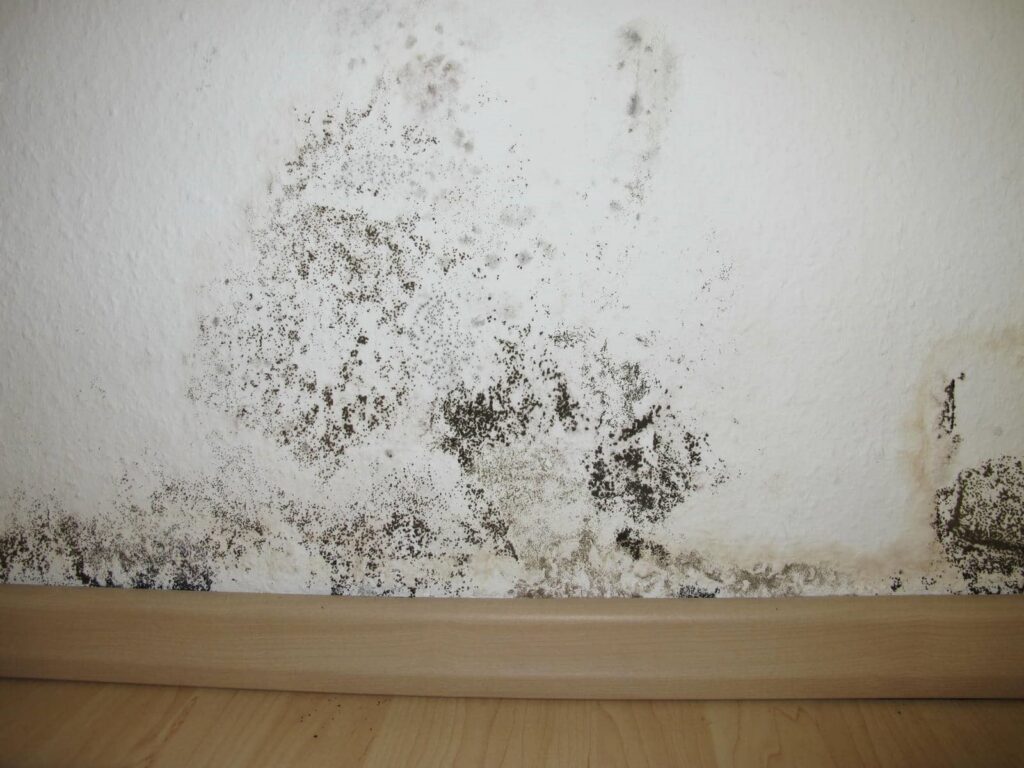
Not only does swift action protect your belongings, but it also plays an important role in your health. Standing water can lead to mold growth, which poses serious health risks for you and your family. An effective emergency response can prevent these issues from escalating.
How to Assess Water Damage in Your Home?
After addressing water damage swiftly, the next step is to assess the extent of the problem in your home.
Start with water source identification; check for leaks, burst pipes, or overflowing appliances. Once you’ve pinpointed the source, move on to damage extent evaluation.
Look for signs of moisture, like discoloration on walls and ceilings or warped flooring. Don’t forget to inspect hidden areas such as behind appliances and inside cabinets.
If you notice a musty smell, that could indicate mold growth, which needs immediate attention.
Document your findings with photos, as this will help when discussing repairs with professionals.
DIY Water Removal Techniques You Can Try
While dealing with water damage can be overwhelming, there are several effective DIY water removal techniques you can try.
First, grab a wet vacuum to tackle standing water in your home. These machines are powerful and can make quick work of smaller floods.
If you have access to a suction pump, use it to remove larger volumes of water more efficiently. Position the pump in the deepest area of the water and let it do the heavy lifting.
After removing the bulk of the water, focus on drying out the affected areas with fans and dehumidifiers.
Cost-Effective Tips to Prevent Mold Growth After Water Damage
To prevent mold growth after water damage, it’s essential to act quickly and efficiently.
Start by drying out the affected area within 24 to 48 hours. You can use fans to enhance air circulation, which helps reduce moisture levels. Open windows and doors to promote fresh airflow, making your space less inviting for mold.
Don’t forget to remove soaked materials like carpets and drywall, as they can harbor mold spores. Consider using dehumidifiers to keep humidity levels low.
Regularly check for leaks or damp spots, as early detection is key for mold prevention.
Cleaning Solutions for Water-Damaged Areas: What Works Best?
Once you’ve taken steps to prevent mold growth, the next focus should be on cleaning the water-damaged areas effectively.
You want to make sure your space feels fresh and safe again. Here are some budget-friendly solutions that work wonders:
Vinegar solution: Mix equal parts vinegar and water to eliminate odors and disinfect surfaces.
Baking soda: Sprinkle it on damp areas to absorb moisture and neutralize smells.
Hydrogen peroxide: Use it to target stains and mold on hard surfaces.
Dish soap: A gentle cleaner can help scrub away grime without harming your surfaces.
Essential oils: Add them to your cleaning routine for a pleasant scent and added antibacterial properties.
With these options, you can tackle water damage effectively while staying within budget.
Best Practices for Drying Out Water-Damaged Areas
To effectively dry out water-damaged areas, start by clearing the space of any furniture or belongings.
This allows air to circulate freely and speeds up the drying process.
Next, use dehumidifiers strategically to remove excess moisture and keep your environment safe from mold.
Clear The Area
Clearing the area is an essential first step in effectively drying out water-damaged spaces. You need to guarantee you can access all affected areas during your cleanup.
Start by removing any furniture and belongings that might block your progress. Conduct a thorough area inspection to identify the extent of the damage.
Here are some best practices to follow:
- Move furniture to a dry location to prevent further damage.
- Take out wet carpets and rugs, as they retain moisture.
- Open windows and doors to increase airflow.
- Remove any standing water with a wet vacuum or mop.
- Check for mold growth on surfaces and treat it immediately.
Use Dehumidifiers Effectively
While you may have already cleared the area, using dehumidifiers effectively is essential for speeding up the drying process and preventing further damage.
Start by setting the dehumidifier to the appropriate settings based on the humidity levels; lower settings work best in damp conditions.
Place the unit in the center of the affected area for ideal moisture control, allowing it to draw moisture from all corners.
Make sure to keep windows and doors closed to enhance efficiency.
Regularly check and empty the water reservoir to maintain performance.
Additionally, consider running fans to improve air circulation, complementing the dehumidifier’s efforts.
Affordable Professional Water Damage Services
Finding affordable professional water damage services can be a game-changer when disaster strikes your home. You don’t have to face this intimidating situation alone; there are budget-friendly options available to help you restore your space without breaking the bank.
Consider these aspects when seeking affordable restoration services:
Experience: Choose professionals with a proven track record.
Certifications: Verify they’re certified in water damage restoration.
Transparent Pricing: Look for companies that offer clear, upfront costs.
Customer Reviews: Check testimonials to gauge their reliability.
Emergency Services: Find providers who offer 24/7 assistance for urgent needs.
Opting for these services can make your budget cleanup smoother, helping you reclaim comfort in your home.
Tips to Prevent Future Water Damage Incidents
To keep your home safe from future water damage, regular maintenance and proactive measures are essential.
Start by inspecting your drainage systems; make sure they’re clear and functioning properly to direct water away from your foundation.
Consider implementing waterproofing techniques, such as sealing cracks in walls and using water-resistant materials in vulnerable areas.
Regularly check your roof for leaks, and clean gutters to prevent overflow.
Installing a sump pump can also provide an extra layer of protection against flooding.
Finally, monitor humidity levels indoors to prevent mold growth.
Resources for Financial Assistance and Insurance Claims
Even with proactive measures in place, unexpected water damage can still occur, leaving homeowners facing significant repair costs.
Fortunately, you have options for financial assistance and insurance claims that can ease the burden.
Check your insurance policy: Know what’s covered and the claims process.
Contact your insurer promptly: Report the damage as soon as possible.
Document the damage: Take photos and note details for your claim.
Explore local assistance programs: Many communities offer financial aid for disaster recovery.
Utilize disaster relief funds: Organizations like the Red Cross may provide support.
Frequently Asked Questions
What Are Common Signs of Hidden Water Damage in a Home?
You’ll notice signs of hidden water damage like peeling paint, damp spots, or a musty smell. Check for leaky pipes and mold growth in corners, as these can indicate serious underlying issues needing immediate attention.
Can Insurance Cover Water Damage Repairs?
Yes, your insurance policies can cover water damage repairs, but it depends on the specifics. Check your coverage limits to guarantee you’re protected, and consider contacting your insurer for detailed information on your options.
How Long Does It Take to Dry Out Water Damage?
It typically takes 24 to 48 hours to dry out water damage using effective drying techniques. However, factors like humidity and material type can affect drying time, so keep an eye on progress for best results.
Are There Specific Products for Preventing Future Water Damage?
Think of your home as a fortress. To prevent future water damage, consider waterproof coatings for your walls and invest in efficient drainage systems. They’ll shield your sanctuary, keeping it dry and welcoming for years to come.
What Are the Health Risks Associated With Water Damage?
Water damage can lead to serious health risks, like mold growth, which often triggers respiratory issues. It’s essential to address any moisture quickly to protect your well-being and create a healthier living environment for you.
Review
In the grand scheme of homeownership, dealing with water damage can feel like an unwelcome visitor. But by taking swift action and employing these budget-friendly solutions, you can turn a potential disaster into a manageable task. Remember, staying proactive not only helps you tackle the immediate challenges but also keeps your home safe from future hiccups. So, roll up your sleeves, embrace the journey, and let your home flourish again without breaking the bank!