
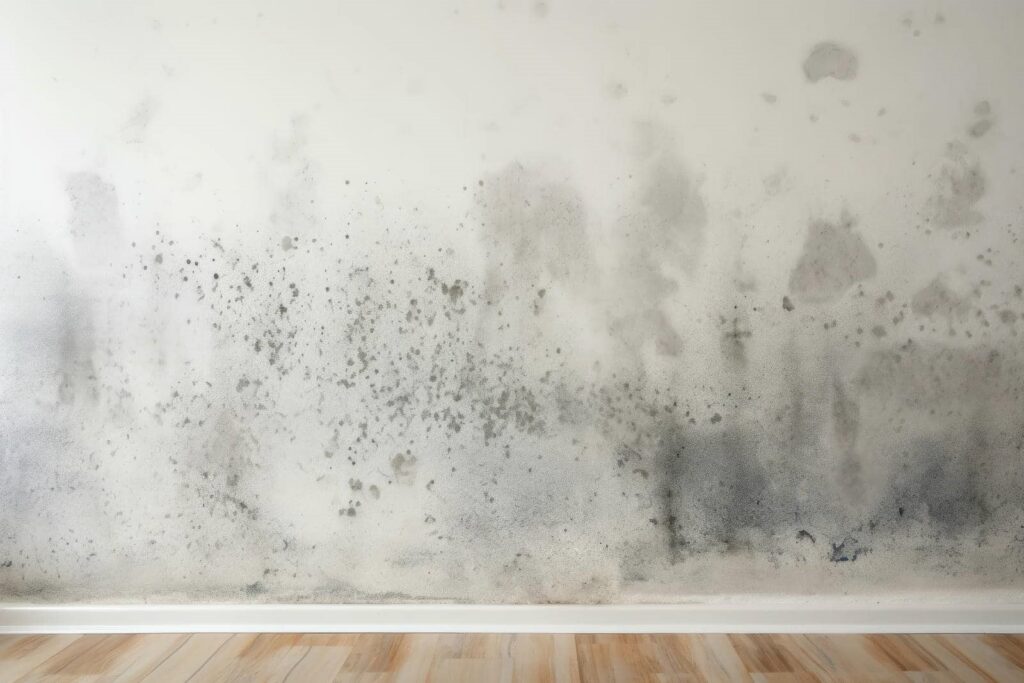
When evaluating mold, you’ll want to inspect visually, measure moisture levels, and analyze air samples. Each technique plays an essential role in identifying mold issues and determining their extent. Professionals employ a range of methodologies to uncover hidden problems and assess the conditions that foster growth. Understanding these mold evaluation techniques can help you make informed decisions about your environment, but what do the results truly mean for your health and home?
Key Takeaways
- Visual Inspections: Conduct thorough visual checks to identify visible mold growth and potential moisture sources in various areas of the property.
- Moisture Meter Readings: Use digital and handheld moisture meters to assess moisture levels in walls, ceilings, and other surfaces to identify mold conducive conditions.
- Air Sampling Techniques: Implement spore trap sampling and impaction sampling to detect and quantify airborne mold spores in the environment.
- Infrared Technology: Utilize infrared cameras to detect hidden moisture issues behind walls and ceilings that could promote mold growth.
- Comprehensive Reporting: Compile detailed reports of findings, including identified mold types, moisture levels, and recommendations for remediation and prevention strategies.
Identifying Mold Problems: Key Signs to Watch For
When it comes to identifying mold problems, you should stay vigilant for several key signs. Common mold indicators include visible growth, often appearing as fuzzy patches in shades of green, black, or white.
You might also notice a musty odor, which can signal hidden mold lurking in walls or ceilings. Additionally, check for water stains or discoloration on surfaces, as these often indicate moisture sources that contribute to mold growth.
Keep an eye on areas prone to dampness, like bathrooms, kitchens, and basements. If you find excessive condensation on windows or walls, that could also point to potential mold issues.
Why You Should Get a Professional Mold Evaluation
Getting a professional mold evaluation is vital for evaluating potential health risks associated with mold exposure.
These experts conduct an extensive inspection process that guarantees all affected areas are thoroughly examined.
Additionally, they provide accurate mold identification, which is necessary for determining the appropriate remediation steps needed.
Health Risk Assessment
Although mold may seem like a minor nuisance, it poses significant health risks that warrant a professional evaluation. Understanding the potential health impacts is essential for your well-being.
Mold exposure can lead to various symptoms that affect your daily life. Here are four reasons to reflect on a professional mold evaluation:
- Respiratory Issues: Mold can trigger asthma, allergies, or other respiratory problems.
- Skin Irritation: Direct contact with mold can cause rashes or irritation.
- Neurological Effects: Some molds produce mycotoxins, which may lead to headaches or cognitive issues.
- Long-Term Health Risks: Prolonged exposure can result in chronic health conditions.
Getting a professional assessment helps you address these risks before they escalate, ensuring a healthier living environment for you and your loved ones.
Comprehensive Inspection Process
A thorough mold evaluation involves a detailed inspection process that guarantees every potential mold source is identified and assessed.
By employing extensive inspection techniques, professionals systematically examine your property, focusing on areas prone to moisture accumulation. They utilize thorough evaluation methods, including visual inspections, moisture meter readings, and infrared technology, ensuring no hidden mold goes unnoticed.
This process not only identifies existing mold but also uncovers conditions that may lead to future growth. Engaging in this meticulous evaluation fosters a sense of security in your living environment, allowing you to address issues proactively.
Ultimately, a professional mold evaluation offers peace of mind, knowing your home is safe and healthy for you and your loved ones.
Accurate Mold Identification
When it comes to mold evaluation, accurate identification is essential for guaranteeing a healthy indoor environment. You might think any mold looks the same, but knowing the specific mold species can greatly impact your health and safety.
Professional evaluations employ advanced testing methods to determine the exact type of mold present and its potential risks. Here are some key reasons to reflect on professional mold identification:
- Health Risks: Different species can cause varying health issues.
- Targeted Remediation: Knowing the species helps in choosing the right treatment.
- Preventive Measures: Professionals can advise on preventing future mold growth.
- Legal Compliance: Accurate identification may be necessary for insurance or real estate transactions.
Trusting experts guarantees you’re making informed decisions for your environment.
Visual Inspection Techniques for Mold Detection
As you commence on mold detection, employing effective visual inspection techniques is essential for identifying potential problems early on.
Start by looking for visual clues such as discoloration, stains, and peeling paint in areas prone to moisture. Don’t overlook hidden spots like behind appliances, under sinks, or within wall cavities.
Utilize inspection tools like moisture meters and infrared cameras to assess hidden moisture levels, which can indicate mold growth. Pay special attention to ventilation systems and basements, where humidity often accumulates.
Document your findings meticulously, as this will aid in developing a thorough mold management plan.
Air Sampling: How Professionals Test for Mold Spores
Although visual inspections are essential, air sampling provides definitive data about mold spores in your environment. This process helps professionals identify the presence and concentration of mold, allowing for effective remediation.
Here are four common air sampling methods used for mold spore analysis:
- Spore Trap Sampling: Captures airborne spores on a sticky surface for later analysis.
- Impaction Sampling: Uses a high-velocity air pump to collect spores on a culture medium.
- Liquid Impingement: Draws air through a liquid solution, capturing spores for analysis.
- Direct Microscopy: Involves examining samples under a microscope for immediate identification.
These air sampling methods provide vital insights, ensuring you have the information needed to address potential mold issues effectively.
Using Moisture Meters for Mold Evaluation
When evaluating mold, understanding the different types of moisture meters is essential for accurate results.
You’ll need to apply proper usage techniques to guarantee reliable readings, as these tools can vary markedly in function and application.
Interpreting moisture readings effectively will provide valuable insights into potential mold growth areas and help you address moisture issues proactively.
Types of Moisture Meters
Understanding the various types of moisture meters is essential for effectively evaluating mold risks in any environment.
You’ll find several options, each serving unique purposes in mold assessment. Here are four common types:
- Digital Moisture Meters: These provide quick and accurate readings, often featuring digital displays for easy interpretation.
- Handheld Moisture Meters: Portable and user-friendly, these are ideal for on-the-spot evaluations in different areas.
- Pin-Type Moisture Meters: They use probes to penetrate materials, giving precise moisture content readings.
- Non-Destructive Moisture Meters: Utilizing electromagnetic signals, these meters assess moisture levels without damaging surfaces.
Choosing the right moisture meter enhances your ability to identify and address mold risks effectively.
Proper Usage Techniques
To effectively evaluate mold risks, it’s crucial to use moisture meters correctly. Start by calibrating your meter according to the manufacturer’s instructions.
Before taking readings, verify the area is free from debris and moisture that could skew results. Position the meter directly on the surface, whether it’s drywall, wood, or concrete, to obtain accurate data.
Always wear safety precautions, such as gloves and masks, to protect yourself from potential mold exposure. Document your readings meticulously, as this data will guide your mold remediation efforts.
Interpreting Moisture Readings
Accurate interpretation of moisture readings is essential in evaluating mold risk. Understanding moisture levels helps you determine if they’re conducive to mold growth.
To guarantee reading accuracy, keep these key points in mind:
- Calibration: Always calibrate your moisture meter before use for precise readings.
- Surface vs. Ambient: Differentiate between surface moisture and ambient room moisture; both impact mold growth.
- Multiple Readings: Take multiple readings across various locations to get a thorough understanding of moisture distribution.
- Document Findings: Keep a record of your readings and conditions for future reference; this helps track changes over time.
Understanding Your Mold Test Results: What to Know
How can you make sense of your mold test results? Understanding mold test interpretation is vital for evaluating your indoor environment.
First, review the type of mold identified; some species are more harmful than others. Next, consider the concentration levels reported—higher counts often indicate a more significant issue.
It’s also essential to correlate your findings with moisture readings and visible mold, as this will enhance the test result significance. Remember, context matters; an isolated spore count mightn’t be alarming if it aligns with outdoor levels.
Consult with professionals if you’re unsure about your results, as they can provide clarity and guidance, creating a sense of belonging in your quest for a healthier space.
Next Steps: Remediation and Prevention Strategies
Once you’ve interpreted your mold test results, the next step is to implement effective remediation and prevention strategies.
Addressing mold issues is essential for your health and home. Here are some key remediation methods and prevention tips to take into account:
- Identify and fix leaks: Repair any plumbing or roof leaks that could contribute to moisture.
- Improve ventilation: Guarantee proper airflow in areas like bathrooms and kitchens to reduce humidity levels.
- Use mold-resistant products: When renovating, opt for mold-resistant paints and materials.
- Regular inspections: Conduct routine checks for signs of mold or water damage to catch any issues early.
Frequently Asked Questions
How Long Does a Professional Mold Evaluation Typically Take?
A professional mold evaluation typically lasts between 1 to 3 hours, depending on the property’s size and complexity. This inspection timeline allows for thorough assessment, ensuring you receive accurate insights about potential mold issues.
What Qualifications Should I Look for in a Mold Inspector?
When choosing a mold inspector, look for relevant certifications and significant inspection experience. A qualified inspector should possess certifications from recognized organizations, ensuring they have the knowledge to identify and handle potential mold issues effectively.
Are There Any Health Risks During Mold Evaluation?
Absolutely, there are health risks during mold evaluation. Prolonged exposure can lead to respiratory issues and allergic reactions. You should prioritize safety measures to reduce exposure risks, ensuring a healthier environment for everyone involved.
How Much Does a Professional Mold Evaluation Cost?
A professional mold evaluation typically ranges from $300 to $1,000, depending on evaluation factors like property size and mold severity. Understanding mold inspection pricing helps you budget effectively for a thorough assessment.
Will My Insurance Cover Mold Evaluation Expenses?
Your insurance might cover mold evaluation expenses, but it depends on your policy details. Review your mold insurance coverage, as some policies include specific clauses regarding mold assessments. Always check with your insurer for clarity.
Final Thoughts
In the battle against mold, knowledge is your strongest ally. By recognizing key signs and employing professional evaluation techniques, you can uncover hidden threats lurking in the shadows of your home. Imagine a fresh, breathable space free of mold’s grasp, where your loved ones can thrive. Armed with test results and a solid plan for remediation, you’ll not only reclaim your environment but also guarantee it remains a safe haven for years to come.