
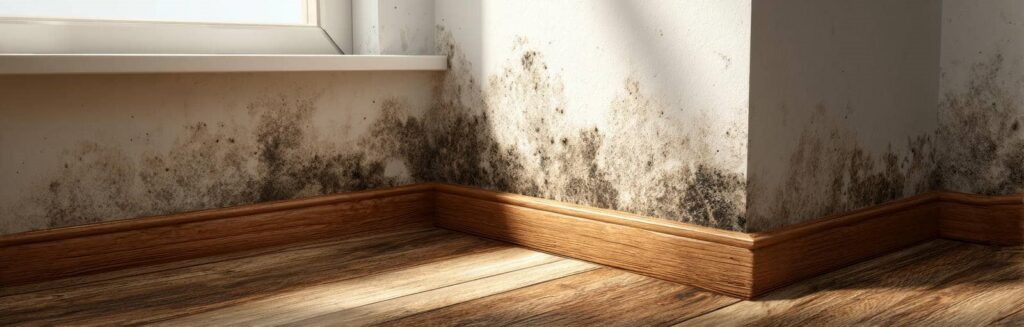
The theory that mold can be effectively managed after flooding often hinges on the methods used for remediation. While many believe that simple cleaning suffices, the reality is more complex. Understanding the right techniques and tools is essential to guarantee a safe environment. What steps should you take to not only remove mold but also prevent its return? This exploration might reveal more than you’d expect about effective mold remediation.
Key Takeaways
- Begin mold remediation by thoroughly cleaning surfaces with water and detergent to remove visible mold.
- Replace porous materials like drywall and carpeting that cannot be adequately cleaned.
- Apply mold inhibitors and antimicrobial solutions to prevent future mold growth after cleaning.
- Utilize dehumidifiers and fans to reduce humidity levels and dry out affected areas within 24-48 hours.
- Regularly inspect for leaks and maintain proper ventilation in damp areas to deter mold recurrence.
Immediate Risks of Mold After Flooding
When a flood occurs, the immediate environment becomes a breeding ground for mold, posing significant health risks if not addressed swiftly.
Mold can trigger allergies, respiratory issues, and other serious health problems, particularly in vulnerable populations like children and the elderly.
In the flooding aftermath, moisture levels rise, creating ideal conditions for mold spores to thrive. You mightn’t even see it at first, but hidden mold can spread rapidly, compromising your indoor air quality.
Research indicates that mold health impacts can lead to chronic conditions if exposure continues.
Understanding these immediate risks is essential for anyone affected by flooding, as timely intervention is necessary to mitigate potential health hazards and restore a safe living environment.
Initial Steps for Assessing Mold Growth
How can you effectively assess mold growth in your home after flooding? Start by employing reliable mold identification methods.
Inspect areas with visible water damage, focusing on dark, damp corners and surfaces. Use a flashlight to spot any discoloration, which may indicate mold presence.
Next, incorporate moisture measurement techniques to evaluate humidity levels in affected spaces. A hygrometer can help you determine if the environment is conducive to mold growth—ideally, indoor humidity should remain below 60%.
Document your findings, noting any persistent dampness or musty odors. This initial assessment is essential for understanding the extent of the problem and will guide your subsequent remediation efforts, ensuring you create a safe and healthy living environment for you and your family.
Mold Removal Techniques for Surfaces
After evaluating the extent of mold growth, it’s important to employ effective removal techniques for contaminated surfaces.
Start with thorough surface cleaning using a mixture of water and detergent, scrubbing away visible mold. For porous materials, consider removing and replacing them, as mold can penetrate deeply.
After cleaning, apply mold inhibitors to prevent future growth; these products can be essential in maintaining a mold-free environment. Ascertain that you follow the manufacturer’s instructions for the best results.
Always wear protective gear during the process to safeguard your health. By systematically addressing the affected surfaces and using appropriate prevention methods, you can considerably reduce the risk of mold reoccurrence and create a safer, healthier space for everyone.
Essential Mold Remediation Tools You Need
To effectively tackle mold remediation, you need the right tools to guarantee safety and thoroughness.
Protective gear, suitable cleaning solutions, and proper inspection tools are essential in this process.
Each component plays a critical role in both preventing exposure and achieving successful mold removal.
Protective Gear Essentials
When tackling mold remediation, protective gear is your first line of defense against harmful spores and allergens.
To guarantee your safety, you need to equip yourself with essential items like N95 respirators, which filter out airborne particles, and durable gloves that protect your skin from irritants.
A full-body suit can further shield you from exposure, while goggles prevent eye irritation caused by mold spores.
Following safety protocols is vital; always wear this protective gear before entering contaminated areas.
This not only safeguards your health but also fosters a sense of community responsibility.
Cleaning Solutions Overview
Effective mold remediation relies heavily on the right cleaning solutions to eliminate spores and prevent regrowth.
You’ll want to choose effective cleaning agents that are proven to combat mold, such as hydrogen peroxide, vinegar, and baking soda. These eco-friendly solutions not only clean surfaces but also minimize your environmental impact, aligning with a growing desire for sustainable practices.
When selecting these products, look for those specifically labeled for mold removal to guarantee efficacy.
Remember, the key isn’t just to clean but to ensure you create an inhospitable environment for future growth.
Inspection Tools Required
Identifying mold requires the right tools to guarantee a thorough inspection and effective remediation. You can’t afford to overlook any signs of mold growth, especially after flooding.
Here are essential tools for accurate mold detection and moisture measurement:
Moisture Meter: Helps you gauge moisture levels in walls and floors, indicating potential mold growth areas.
Infrared Camera: Detects temperature differences in surfaces, revealing hidden moisture.
Mold Test Kits: Allows you to collect samples and analyze them for specific mold types.
Air Quality Monitor: Measures airborne mold spores, providing insight into the overall air quality.
Using these tools, you’ll ensure a detailed evaluation, making your remediation efforts more effective and reliable.
How to Stop Mold From Coming Back After a Flood
Though flooding can create a perfect environment for mold growth, implementing effective prevention strategies can greatly reduce the chances of recurrence.
Start by thoroughly drying out your space within 24-48 hours after a flood; moisture is mold’s best friend. Use dehumidifiers and fans to maintain low humidity levels. Consider applying antimicrobial solutions as preventive measures to inhibit future growth.
Regularly inspect your home for leaks and water damage, addressing issues immediately to prevent mold’s return. Additionally, guarantee proper ventilation in areas prone to dampness, like bathrooms and basements.
These long-term solutions not only keep your environment mold-free but also foster a healthier, more comfortable living space for you and your loved ones. Stay proactive, and you’ll create a welcoming, safe home.
DIY vs. Professional Mold Remediation: When to Choose Which?
When should you consider professional mold remediation over a DIY approach? If you’re facing a significant mold issue, it’s vital to evaluate your situation carefully.
While DIY techniques can be effective for minor mold problems, certain scenarios warrant professional services.
Consider hiring experts when:
- The mold covers a large area (greater than 10 square feet).
- You’re dealing with toxic mold types like black mold.
- There’s extensive water damage or hidden moisture.
- You have health concerns or respiratory issues.
Professional services not only guarantee thorough remediation but also help prevent future outbreaks.
Weigh your options, and when in doubt, don’t hesitate to consult professionals for safety and peace of mind.
Frequently Asked Questions
How Long Does It Take for Mold to Develop After Flooding?
Mold can start developing within 24 to 48 hours after flood damage. Understanding this mold growth timeline helps you take immediate action to prevent extensive damage and protect your home and health effectively.
Can Mold Cause Long-Term Health Issues?
Mold’s like a shadow lurking in your home, and it can indeed lead to long-term health issues. You might experience mold symptoms such as respiratory problems and allergies, increasing health risks over time.
What Types of Mold Are Most Common After Flooding?
After flooding, you’ll most commonly encounter black mold and other toxic molds. These molds thrive in damp environments and can pose serious health risks, so it’s essential to identify and address them promptly.
Is It Safe to Live in a Home With Mold?
Living in a home with mold isn’t safe. Mold exposure can lead to serious health risks, like respiratory issues. You deserve a healthy space, so addressing mold promptly is essential for your well-being and comfort.
How Can I Prevent Mold in My Basement After a Flood?
To prevent mold in your basement after a flood, guarantee proper basement ventilation and implement moisture control measures. Use dehumidifiers, seal cracks, and regularly check for leaks to maintain a dry, healthy environment.
To Sum Up
Effective mold remediation is essential after flooding to safeguard your home and health. By swiftly evaluating and addressing mold growth, you can prevent it from spreading like wildfire. Whether you choose DIY methods or enlist professional help, it’s important to employ the right techniques and tools. Remember, a thorough approach guarantees that your space remains a sanctuary, free from the lurking shadows of mold. Stay vigilant, and keep your environment safe and healthy.