
When dealing with mold remediation in wet materials, understanding the importance of a systematic approach is essential. You’ll want to identify key signs of mold growth and implement effective drying techniques. Proper cleaning and sanitizing can greatly reduce contamination risks. However, recognizing when to call in professionals can be just as important. What steps should you prioritize to ensure a lasting solution? The answers might surprise you.
Key Takeaways
- Choose effective cleaning solutions like water and detergent or commercial mold cleaners to address wet materials.
- Scrub surfaces thoroughly with stiff brushes or cloths to ensure all mold is removed from crevices.
- Use diluted bleach or specialized sanitizers to disinfect surfaces after cleaning to kill remaining mold spores.
- Rinse cleaned surfaces with clean water to eliminate contaminants and avoid residue buildup.
- Ensure complete drying of all materials to prevent future mold growth and mitigate health risks.
Why Mold Remediation Matters
When you consider the potential health risks and structural damage associated with mold, it becomes clear why mold remediation matters.
Mold exposure can lead to respiratory issues, allergies, and other serious health problems. By addressing these risks proactively, you protect not just your health but also your community’s well-being.
While remediation costs can seem overwhelming, the long-term benefits outweigh the initial investment. Ignoring mold can lead to more extensive damage, resulting in higher repair costs down the line.
Investing in effective remediation not only safeguards your environment but fosters a sense of belonging within your community, where everyone prioritizes health and safety.
Ultimately, understanding the importance of mold remediation helps you make informed decisions for a healthier, safer living space.
Key Signs of Mold Growth in Water-Damaged Areas
When evaluating water-damaged areas, you should look for key signs of mold growth.
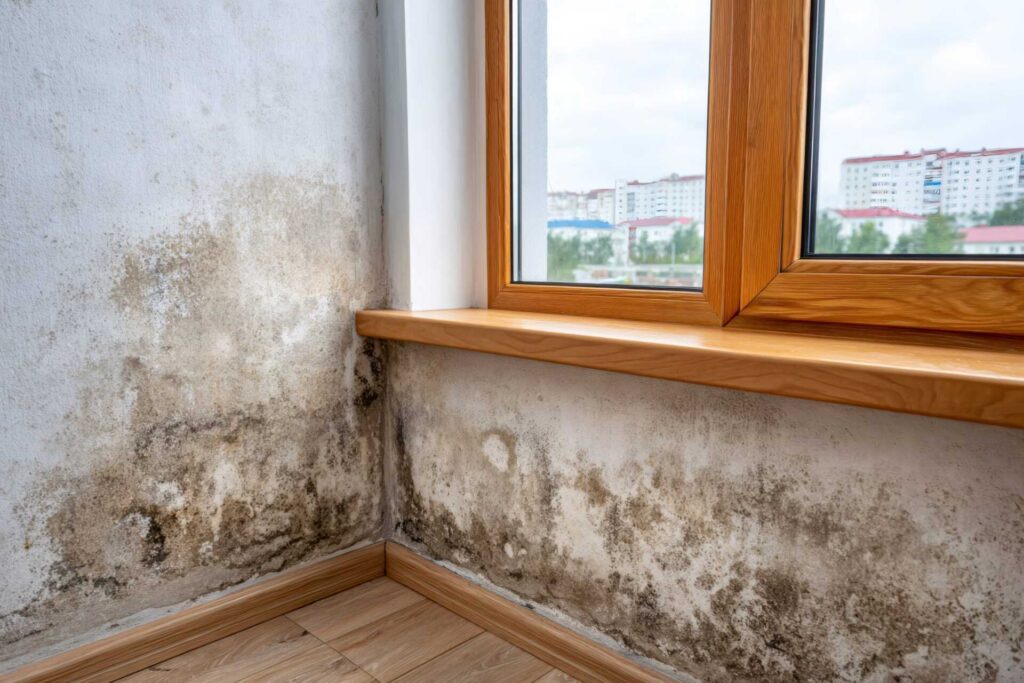
Visible mold patches, musty odors, and water stains are critical indicators that mold may be present.
Recognizing these signs early can help you address the issue before it escalates.
Visible Mold Patches
Although water damage can manifest in various ways, visible mold patches remain one of the most telling signs of mold growth. If you notice these patches, it’s vital to act promptly.
Here are some key indicators to help you identify mold:
- Color: Look for black, green, or white spots.
- Texture: Mold can appear fuzzy, slimy, or powdery.
- Location: Check damp areas like basements, bathrooms, or around leaks.
- Size: Patches may vary, but larger areas typically indicate prolonged moisture.
Utilizing effective mold identification techniques helps you pinpoint growth, while implementing effective removal strategies ensures a healthier environment.
Don’t ignore visible mold; addressing it early can prevent further damage and health issues.
Musty Odor Detection
Musty odors often signal the presence of mold, especially in areas affected by water damage. You should prioritize musty odor identification as an essential step in recognizing potential mold growth.
These odors often arise from microbial activity in damp environments, indicating that mold might be thriving unseen. By pinpointing the source of the smell, you can take appropriate action before the situation worsens.
Employ odor control techniques such as improving ventilation, using dehumidifiers, and cleaning surfaces with mold-inhibiting solutions. Staying vigilant about musty odors helps protect your living space and fosters a sense of community wellness.
Water Stains Presence
Water stains are often clear indicators of mold growth, especially in areas that have experienced water damage. Identifying these stains is essential for effective mold remediation.
When you notice water stains, look for these key signs:
- Discoloration: Yellow or brown patches on walls or ceilings.
- Texture Changes: Bumps or blisters forming on painted surfaces.
- Peeling Paint: Flaking or bubbling paint can signal hidden moisture.
- Odor: A musty smell often accompanies visible stains, indicating mold presence.
Prompt stain removal and thorough drying are vital to prevent mold from spreading.
By addressing water stains quickly, you create a healthier living environment, reducing the risk of mold-related health issues.
Proven Methods for Drying Structures and Reducing Humidity
When dealing with mold remediation, effective drying techniques and humidity reduction are vital to prevent further contamination.
Implementing structural drying strategies is important; start by using high-velocity fans to increase airflow, which accelerates evaporation. Combine this with dehumidification techniques, such as industrial dehumidifiers, to lower the moisture levels in the air.
Monitor humidity levels regularly to ensure they remain below 60%, as levels above 60% can foster mold regrowth. Additionally, inspect hidden areas like walls and ceilings to confirm all moisture is addressed.
By actively engaging in these methods, you create a healthier environment, reducing the risk of mold returning.
How to Clean and Sanitize Wet Materials Effectively
Effective mold remediation doesn’t stop with drying out affected areas; it also requires proper cleaning and sanitizing of wet materials to prevent mold from taking hold.
To ensure thorough cleaning, follow these steps:
Choose appropriate cleaning solutions: Use a mixture of water and detergent or a commercial mold cleaner to break down contaminants.
Scrub surfaces: Employ a stiff brush or cloth to scrub affected materials, ensuring you reach all crevices.
Apply sanitizing techniques: Use a diluted bleach solution or a specialized sanitizer to kill remaining spores.
Rinse and dry: Rinse surfaces with clean water and allow them to dry completely to prevent future mold growth.
When to Seek Professional Mold Remediation Services?
How can you determine if it’s time to call in the experts for mold remediation? If you notice extensive mold growth, particularly over 10 square feet, it’s wise to seek professional help.
A thorough mold assessment can identify underlying issues and provide a safe solution. If you’ve tried DIY methods without success, don’t hesitate to consult professionals. They can offer specialized tools and knowledge for effective remediation.
Additionally, if you’re dealing with water damage or mold in HVAC systems, the complexity increases, making expert intervention essential.
While remediation costs can vary, investing in professional services often saves you money and health risks in the long run.
Prioritize your well-being and home safety—don’t face mold alone.
How to Prevent Future Mold After Remediation
To prevent future mold growth after remediation, it’s essential to address the conditions that foster its return.
Implementing effective preventive measures and maintaining environmental control can greatly reduce the risk. Here are four key strategies:
Control Humidity: Keep indoor humidity levels below 60% using dehumidifiers and proper ventilation.
Fix Leaks: Repair any plumbing or roofing leaks promptly to eliminate moisture sources.
Improve Airflow: Ensure proper air circulation by using exhaust fans in kitchens and bathrooms.
Regular Inspections: Conduct routine checks for signs of mold or moisture accumulation in vulnerable areas.
Frequently Asked Questions
Can Mold Spores Survive in Dry Environments?
Yes, mold spores can survive in dry conditions, though they remain dormant. They require moisture to grow. Understanding mold survival helps you prevent future infestations by managing humidity levels in your environment effectively.
How Long Does Mold Remediation Typically Take?
Mold remediation can feel like an epic quest, taking anywhere from a few days to weeks. Your remediation timeline depends on the extent of damage, while surface treatment plays a vital role in expediting the process.
Is Bleach Effective for Mold Removal?
Bleach isn’t effective for mold removal on porous surfaces, as it only kills surface mold. For deeper penetration and lasting results, consider using specialized mold removers designed to tackle mold’s root, ensuring thorough remediation.
Can I Use Fans to Dry Wet Materials?
Absolutely, you can use fans to dry wet materials. Their efficiency boosts drying techniques, circulating air, and reduces moisture effectively. Just ensure proper placement for ideal airflow, creating a drier, healthier environment you can belong to.
What Personal Protective Equipment Is Needed During Remediation?
You’ll need appropriate protective gear, including N95 respirators, gloves, goggles, and coveralls, to ensure your safety. Following safety protocols helps minimize exposure to harmful spores, fostering a secure environment for you and your team.
Review
Successful mold remediation hinges on swift action, systematic strategies, and sustained prevention. By diligently drying damp areas, diligently cleaning surfaces, and deploying dehumidifiers, you can decisively diminish the danger of mold’s return. Remember, timely treatment transforms a troublesome threat into a manageable challenge. Stay vigilant, monitor moisture levels, and maintain a mold-free environment to protect your health and home. Prioritize proactive measures to ensure your space remains safe and free of future infestations.