
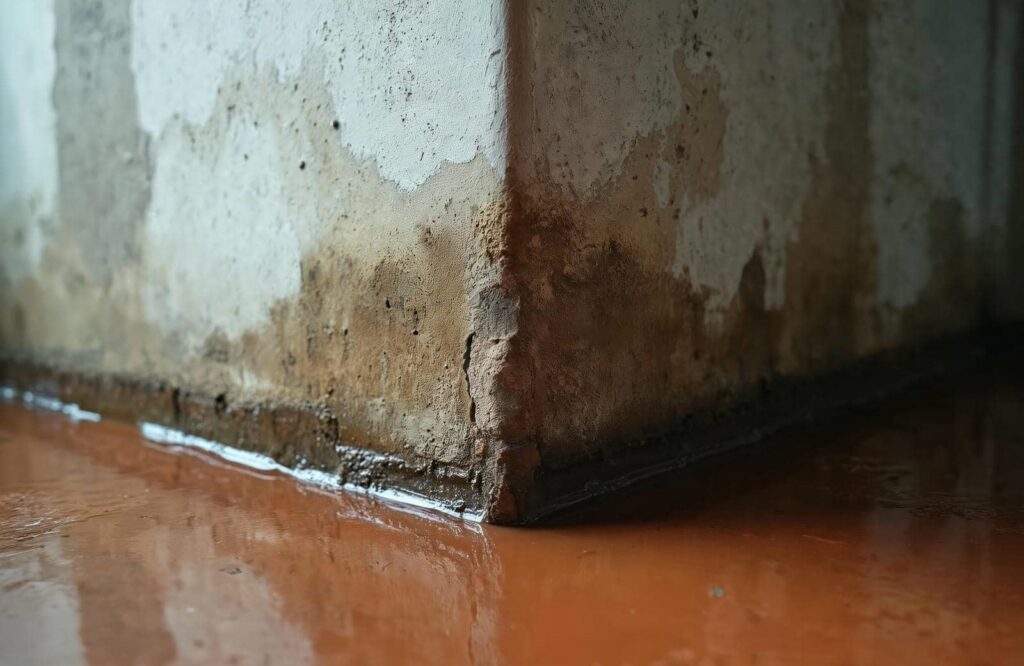
Water damage can feel like a minor inconvenience, but it often leads to serious mold issues if not addressed promptly. You need to understand the critical steps to take immediately after an incident to prevent mold from taking hold in your home. From drying out affected areas to identifying hidden moisture, every action counts. Let’s explore effective strategies to keep your living space safe and mold-free moving forward.
Key Takeaways
- Remove standing water within 24-48 hours using a wet/dry vacuum or towels to minimize moisture levels.
- Increase airflow by opening windows and using fans and dehumidifiers to lower humidity below 60%.
- Inspect and thoroughly dry hidden spaces, such as behind walls and under carpets, to prevent mold growth.
- Use mold-resistant materials for repairs and maintenance in areas prone to moisture, like bathrooms and basements.
- Regularly check for leaks and maintain a schedule for moisture control to prevent future mold issues.
Immediate Steps to Dry Your Home After Water Damage
When you experience water damage, acting quickly can make a significant difference in preventing mold growth.
Start your emergency cleanup by removing standing water with a wet/dry vacuum or towels. Open windows to promote airflow and help with drying.
Next, utilize drying equipment such as fans and dehumidifiers to reduce moisture levels. Aim for a relative humidity of below 60% to create an inhospitable environment for mold.
It’s essential to dry out affected areas within 24 to 48 hours. Don’t forget to inspect hidden spaces like behind walls and under carpets, as these areas can trap moisture.
Understanding Mold Growth After Water Damage
Although you may not see it immediately, mold can begin to grow within 24 to 48 hours after water damage occurs. Understanding the mold lifecycle is key to preventing its spread.
Mold spores thrive in damp environments, particularly where there are unseen water sources, like leaks or high humidity. Once the spores land on a moist surface, they can quickly germinate and develop into colonies. This rapid growth can lead to significant problems, not just structurally but also for your health.
To protect your home, it’s essential to act swiftly after any water damage. By drying out affected areas and eliminating potential water sources, you can disrupt the mold lifecycle and create a safer, healthier environment for everyone.
How to Identify High-Risk Areas for Mold?
Identifying high-risk areas for mold is essential in preventing its growth after water damage. Start by examining areas with poor ventilation, like basements and attics, where moisture can accumulate.
Look for mold indicators such as discoloration on walls, a musty smell, or water stains. Don’t forget to check around windows and doors, as leaks can create moisture sources that promote mold growth.
Pay attention to bathrooms and kitchens, where humidity levels are often higher. If you have any plumbing issues, inspect nearby surfaces for moisture.
Mold Prevention Tips After Water Damage
To effectively prevent mold after experiencing water damage, it’s crucial to act swiftly and implement a series of practical measures.
Start by focusing on moisture control; keep humidity levels below 60%.
Here are three key tips to follow:
Use Mold Resistant Materials: Whenever possible, choose mold-resistant drywall and paint in affected areas to reduce mold growth chances.
Thoroughly Dry Affected Areas: Use fans and dehumidifiers to dry out any wet surfaces within 24-48 hours. This minimizes moisture that fosters mold.
Inspect and Maintain: Regularly check for leaks in plumbing and roofs. Address any issues promptly to maintain a mold-free environment.
When to Get Help With Mold Removal?
When should you seek professional help for mold removal? If you notice mold growth larger than a square foot, it’s time to call in professional services. Mold can spread quickly and pose health risks, so don’t wait.
If you’ve experienced significant water damage and can’t fully dry the area within 24-48 hours, professional intervention is vital. Additionally, if you’re unsure about the type of mold or how to effectively remove it, experts can provide the guidance you need.
It’s also wise to seek help if anyone in your home has health issues or allergies related to mold. Remember, prioritizing your home and health is essential, and professional services can make all the difference in ensuring a safe environment.
Long-Term Strategies for Mold Prevention
To keep mold at bay long-term, you need to prioritize regular inspections and maintenance of your home.
Make sure to check for any signs of moisture or leaks that could lead to mold growth.
Additionally, implementing proper ventilation techniques will help reduce humidity levels, creating an environment less conducive to mold.
Regular Inspections and Maintenance
While you may think that addressing water damage is a one-time task, regular inspections and maintenance are vital for long-term mold prevention.
To effectively manage your space and keep mold at bay, consider implementing a maintenance schedule that includes:
Mold Inspection: Regularly check high-risk areas like basements, bathrooms, and kitchens for signs of mold or moisture.
Roof and Gutter Care: Inspect your roof and gutters every six months to verify they’re functioning properly and diverting water away from your home.
Seal Leaks Promptly: Address any leaks in plumbing or walls immediately to prevent moisture accumulation.
Proper Ventilation Techniques
Although many overlook it, proper ventilation is essential for preventing mold growth after water damage.
To achieve effective airflow management, verify that rooms are well-ventilated by opening windows and using exhaust fans, especially in areas prone to moisture, like bathrooms and kitchens.
You should also consider installing vents in attics and crawlspaces to promote air circulation, which aids in moisture control.
If your home has a central HVAC system, schedule regular maintenance to keep filters clean and airflow unobstructed.
Additionally, dehumidifiers can help maintain ideal humidity levels, further reducing mold risk.
Maintenance Tips to Avoid Future Mold Issues
To keep mold at bay, you need to regularly inspect your home for leaks and damp spots that could encourage growth.
Control indoor humidity levels by using dehumidifiers and ensuring your home stays below 60% humidity.
Finally, make sure your spaces are well-ventilated, especially in areas prone to moisture, like bathrooms and kitchens.
Regularly Inspect Your Home
Regular inspections of your home can greatly reduce the risk of mold growth, especially after experiencing water damage.
By making routine checks a priority, you can catch potential issues early. Here are three essential areas to focus on during your home inspections:
Basements and Crawl Spaces: These areas are prone to moisture. Check for leaks and standing water.
Bathrooms: Inspect tiles, caulking, and plumbing for signs of mold or leaks that may go unnoticed.
Attics: Look for poor ventilation and water stains from roof leaks.
Control Indoor Humidity Levels
How can you effectively control indoor humidity levels to prevent mold growth?
Start by using a hygrometer to monitor your home’s humidity. Ideally, keep levels between 30-50%.
Invest in a dehumidifier if necessary, especially in damp areas like basements.
Guarantee proper moisture management by fixing leaks and sealing windows to prevent water intrusion.
During humid months, run air conditioning to help reduce indoor humidity.
Use exhaust fans in kitchens and bathrooms to eliminate excess moisture.
Finally, be mindful of your indoor plants; overwatering can increase humidity.
Ensure Proper Ventilation
Maintaining proper ventilation in your home is essential for preventing mold growth, especially in areas prone to moisture.
Good air circulation helps keep humidity levels in check, reducing the risk of mold spores taking hold. Here are three practical tips to guarantee effective ventilation:
Utilize Ventilation Systems: Install exhaust fans in kitchens and bathrooms to expel humid air outside, preventing moisture buildup.
Open Windows Regularly: When weather permits, open windows to allow fresh air to flow through your home, promoting better air circulation.
Check Ducts and Vents: Ascertain your HVAC system is clean and functioning properly, as blocked ducts can hinder airflow and trap moisture.
Frequently Asked Questions
Can Mold Grow in Walls Even if They Seem Dry?
Yes, mold can grow in walls even if they seem dry. Regular moisture detection and thorough wall inspections are essential to identify hidden dampness, helping you prevent mold growth and maintain a healthy living environment.
What Materials Are Most Susceptible to Mold After Water Damage?
Did you know 50% of homes have mold issues? Wood surfaces and porous materials like drywall and carpet absorb moisture easily, making them prime targets for mold growth after water damage. It’s vital to act fast!
How Quickly Can Mold Start to Grow After Water Exposure?
Mold can start growing within 24 to 48 hours after water exposure, depending on factors like temperature and humidity. Understanding this mold growth timeline helps you take quick action to prevent a serious problem.
Are There Specific Odors Indicating Mold Presence?
Ever noticed a musty smell in your home? That mold odor often signals mold presence. If you catch that scent, investigate promptly mold can thrive quickly, and addressing it early is essential for your space’s health.
Can I Use Household Cleaners to Eliminate Mold?
Yes, you can use household cleaners for mold removal, but make certain they’re effective against mold. Look for cleaning products labeled with mold-fighting ingredients, and always follow safety guidelines to protect yourself during the cleaning process.
Final Thoughts
You might think ignoring that water leak is harmless, but mold doesn’t share your laid-back attitude. Act fast and dry your home to dodge a moldy nightmare. Remember, it’s easier to prevent mold than to battle it later. So, while you could embrace the unexpected “art” of mold growth, wouldn’t it be smarter to keep your home safe and healthy instead? Stay proactive, follow these tips, and let mold know it’s not welcome here!