
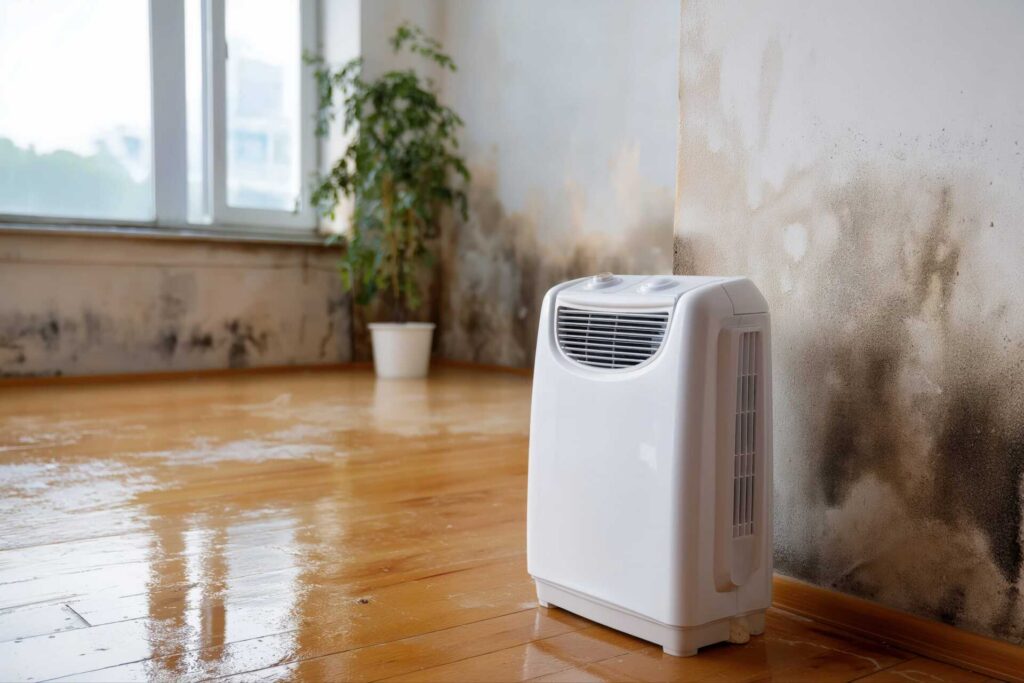
When water damage strikes your home, a rapid response is essential to prevent further complications. Swift dehumidification reduces the chances of mold and bacteria growth, safeguarding your health and property. Understanding the signs that demand immediate action can make all the difference. Knowing how to effectively address moisture issues is vital for a successful recovery. Let’s explore the key aspects of dehumidification and how it can protect your living environment.
Key Takeaways
- Rapid response to water damage minimizes structural compromise and reduces the risk of mold growth in homes.
- Professional dehumidification services ensure thorough assessments to identify hidden moisture sources for effective treatment.
- Utilizing appropriate equipment, such as portable and industrial dehumidifiers, enhances drying efficiency and prevents secondary damage.
- Monitoring humidity levels during the dehumidification process is crucial to ensure effective moisture removal and protect indoor air quality.
- Implementing preventive measures and regular inspections can help avoid future water damage and maintain a healthy living environment.
How Water Damage Affects Your Home
When water damage occurs, it can compromise the structural integrity of your home and create an environment for mold growth.
Water infiltrates walls, foundations, and flooring, leading to deterioration over time. This weakens these vital components and fosters mold, which can pose health risks for you and your family.
The moisture encourages mold spores to thrive, resulting in an infestation that can quickly spread. If left unaddressed, these issues can escalate, causing more extensive damage and costly repairs.
To protect your home and ensure a safe environment, it’s important to act swiftly. Understanding the impact of water damage empowers you to take the necessary steps to maintain your home’s value and your family’s well-being.
Signs You Need Emergency Dehumidification Services
After experiencing water damage, recognizing the signs that you need emergency dehumidification services is essential for preventing further complications.
Look for emergency signs such as persistent dampness, musty odors, or visible mold growth in your home. These dehumidification indicators suggest that moisture levels remain high, creating an environment conducive to mold and structural damage.
Check for condensation on windows and walls; if you notice this, it’s a clear warning. Additionally, if your belongings feel wet or heavy, that’s another sign you shouldn’t ignore.
Acting quickly can save you from more extensive damage and costly repairs. If you observe any of these issues, contact a professional dehumidification service immediately to protect your home and well-being.
The Importance of Rapid Response in Dehumidification
When you respond quickly to moisture issues, you can markedly minimize secondary damage to your property.
Rapid dehumidification not only improves drying efficiency but also enhances health safety by reducing mold and bacteria growth.
Prioritizing a swift response is essential for effective moisture management.
Minimize Secondary Damage
Rapid response in dehumidification is vital, as it directly impacts the extent of secondary damage following water intrusion.
When you act quickly, you greatly reduce moisture levels, which is essential for effective humidity control. This proactive approach helps prevent mold growth, a common consequence of prolonged dampness.
By maintaining ideal humidity levels, you protect your property and ensure a healthier environment for you and your loved ones.
The longer water remains, the greater the risk of structural damage and health hazards.
So, prioritize rapid dehumidification to minimize these risks and safeguard your space.
Remember, timely action can mean the difference between a manageable situation and a costly remediation process.
Stay ahead of potential issues with swift intervention.
Improve Drying Efficiency
To enhance drying efficiency, swift dehumidification plays an essential role in managing moisture levels.
By employing effective dehumidification techniques, you can achieve ideal drying conditions, preventing further damage and promoting a healthier environment.
Consider the following elements for drying optimization:
- Rapid moisture removal from affected areas
- Controlled humidity levels to prevent mold growth
- Targeted airflow to accelerate evaporation
- Use of specialized equipment for maximum efficiency
Enhance Health Safety
Effective dehumidification is vital for enhancing health safety in environments affected by excess moisture. When you respond quickly to water damage, you’re not just protecting your property; you’re also safeguarding your health.
Excess moisture fosters mold growth, which can severely compromise indoor air quality. By implementing rapid dehumidification techniques, you can markedly reduce mold risks, ensuring a healthier living space for everyone.
Maintaining ideal humidity levels prevents allergens and contaminants from proliferating, contributing to better respiratory health.
How Dehumidification Works in Water Damage Situations
In water damage situations, understanding the moisture removal process is essential for effective dehumidification.
You’ll encounter various types of dehumidifiers, each tailored to specific environments and moisture levels.
Rapid response speeds up the drying process and mitigates further damage and health risks.
Understanding Moisture Removal Process
As moisture infiltrates a space due to water damage, understanding the dehumidification process becomes crucial for effective remediation. The process involves analyzing moisture levels and adjusting the evaporation rate to ensure efficient drying.
Detecting hidden moisture within walls and floors
Controlling humidity levels to prevent mold growth
Enhancing airflow to expedite drying
Using specialized equipment to achieve ideal results
Types of Dehumidifiers Used
When dealing with water damage, knowing the types of dehumidifiers available can greatly impact the effectiveness of the drying process.
Portable dehumidifiers are ideal for residential situations, allowing you to easily maneuver them around affected areas. They’re effective for smaller spaces and can quickly reduce humidity levels, which helps prevent mold growth.
On the other hand, industrial dehumidifiers are designed for larger-scale operations, such as commercial buildings or extensive water damage. These units can handle higher volumes of moisture and operate continuously, making them essential for rapid response scenarios.
Choosing the right type of dehumidifier ensures you address water damage efficiently and safeguard your home or business from further complications.
Benefits of Rapid Response
Rapid response dehumidification can greatly reduce the damage caused by water intrusion, making it a critical component in restoration efforts.
Utilizing advanced dehumidification technology, the benefits become apparent quickly:
Prevents mold growth: Swift moisture removal stops mold spores from thriving.
Reduces secondary damage: Minimizing water exposure protects structures and belongings.
Improves air quality: Effective dehumidification enhances indoor air conditions, promoting health.
Speeds up restoration: Quick action means less downtime, allowing you to return to normal faster.
Essential Steps for Effective Dehumidification
Effective dehumidification requires a systematic approach to ensure ideal results.
Start by evaluating the affected area to identify moisture sources and the extent of damage. Implement targeted dehumidification techniques, such as using high-capacity dehumidifiers, to draw excess moisture from the air efficiently.
Ascertain proper airflow by positioning fans strategically, promoting evaporation, and enhancing moisture control. Regularly monitor humidity levels with hygrometers to track progress, adjusting your methods as necessary.
Seal off the area to prevent external humidity from complicating your efforts. Finally, document the entire process for reference and future planning.
Choosing Dehumidification Equipment for Your Needs
When selecting dehumidification equipment, you need to take into account the types available, such as portable units or whole-home systems.
It’s essential to assess each option’s capacity and efficiency to ensure it meets your specific needs.
Making informed choices will maximize effectiveness and energy savings.
Equipment Types Available
Selecting the right dehumidification equipment is essential for addressing moisture issues efficiently. Understanding the various dehumidifier types helps you choose the best fit for your situation, whether you’re dealing with residential spaces or larger industrial environments.
Refrigerant Dehumidifiers: Ideal for moderate humidity, using cooling coils to condense moisture.
Desiccant Dehumidifiers: Best for low temperatures, utilizing moisture-absorbing materials for effective drying.
Industrial Dehumidifiers: Designed for high-capacity needs, perfect for warehouses and manufacturing facilities.
Portable Dehumidifiers: Versatile and easy to move, suitable for home use or small-scale projects.
Capacity and Efficiency Considerations
Understanding capacity and efficiency is essential for choosing the right dehumidification equipment tailored to your specific needs.
Start by evaluating the dehumidifier capacity, which indicates how much moisture the unit can remove in a day. Consider the size of the area affected by water damage; larger spaces typically require higher capacity units.
Next, examine the efficiency ratings, which measure how effectively the unit operates while consuming energy. Higher efficiency ratings reduce operational costs and minimize environmental impact.
Should You Hire Professionals for Dehumidification?
Have you considered the benefits of hiring professionals for dehumidification? Engaging professional services can streamline the process and ensure that effective dehumidification techniques are utilized.
Here’s what experts bring to the table:
Advanced Equipment: Specialized tools designed to remove moisture quickly.
Quick Response Time: Rapid action minimizes damage and prevents mold growth.
Expertise: Knowledge of the best practices tailored to your situation.
Thorough Assessment: Detailed evaluation to identify hidden moisture sources.
Common Mistakes to Avoid in Dehumidification
Many homeowners unknowingly make mistakes during the dehumidification process that can hinder effectiveness and lead to further issues.
One common error is failing to conduct a thorough moisture assessment before starting. Without understanding the extent of the moisture problem, you might miss critical areas that need attention.
Additionally, relying solely on a single dehumidification technique can limit your success. It’s essential to combine methods, like using desiccants and mechanical dehumidifiers, for ideal results.
Another mistake is placing dehumidifiers in the wrong locations, which can disrupt airflow and prolong drying time.
Finally, not monitoring humidity levels throughout the process can lead to inadequate moisture removal, risking mold growth.
Avoid these pitfalls for a more efficient dehumidification experience.
The Role of Airflow in Effective Drying
While dehumidifiers play an essential role in moisture removal, airflow is equally important for effective drying.
Without proper airflow techniques, moisture can linger, leading to mold growth and structural damage. You’ll want to measure airflow accurately to ensure ideal circulation in affected areas.
- Position fans strategically to enhance air movement.
- Use high-velocity air movers for targeted drying.
- Keep doors and windows open to promote cross-ventilation.
- Monitor humidity levels to adjust airflow accordingly.
Preventing Future Water Damage After Dehumidification
After dehumidification, taking proactive steps to prevent future water damage is essential for maintaining a safe and dry environment.
Start by identifying and addressing potential sources of moisture, like leaks or poor drainage. Regularly inspect your roof, plumbing, and foundation to catch issues early.
Implement preventive measures such as installing sump pumps and ensuring proper ventilation in high-humidity areas. You might also consider using vapor barriers in crawl spaces and basements to limit moisture intrusion.
For long-term solutions, invest in high-quality insulation and energy-efficient windows.
Frequently Asked Questions
How Long Does Dehumidification Typically Take After Water Damage?
Dehumidification typically takes 24 to 48 hours, depending on the extent of water damage and environmental conditions. A proper dehumidification timeline is essential for effective water damage recovery, ensuring your space returns to normal quickly.
Can I Use Home Appliances for Dehumidification?
You can definitely utilize home methods for dehumidification, but appliance efficiency varies. While fans and heaters can help, dedicated dehumidifiers work best to tackle moisture effectively. Choose wisely to ensure ideal results in your space.
What Are the Costs Associated With Professional Dehumidification Services?
Professional dehumidification service pricing varies based on several cost factors, including the extent of water damage, equipment needed, and labor costs. You’ll find that investing in expert services often prevents further damage and saves money long-term.
Will Dehumidification Eliminate Mold Growth Completely?
Dehumidification isn’t a silver bullet; it considerably reduces moisture, enhancing mold prevention strategies. However, it won’t eliminate mold growth completely without consistent monitoring and additional remediation efforts. Dehumidification effectiveness is crucial, but vigilance is key.
How Can I Monitor Humidity Levels During the Process?
You can monitor humidity levels by using humidity sensors and moisture meters. These tools provide accurate readings, helping you track changes effectively and ensure ideal conditions during your dehumidification process, preventing potential mold growth.
Wrap-Up
In the battle against water damage, think of dehumidification as your home’s lifeline—pulling moisture like a sponge and allowing your space to breathe again. By responding swiftly and employing the right techniques, you restore your home and shield it from future threats. Remember, effective dehumidification is more than just drying; it’s about reclaiming a safe, healthy environment. So, don’t let water linger—act fast and ensure your home remains a sanctuary.