
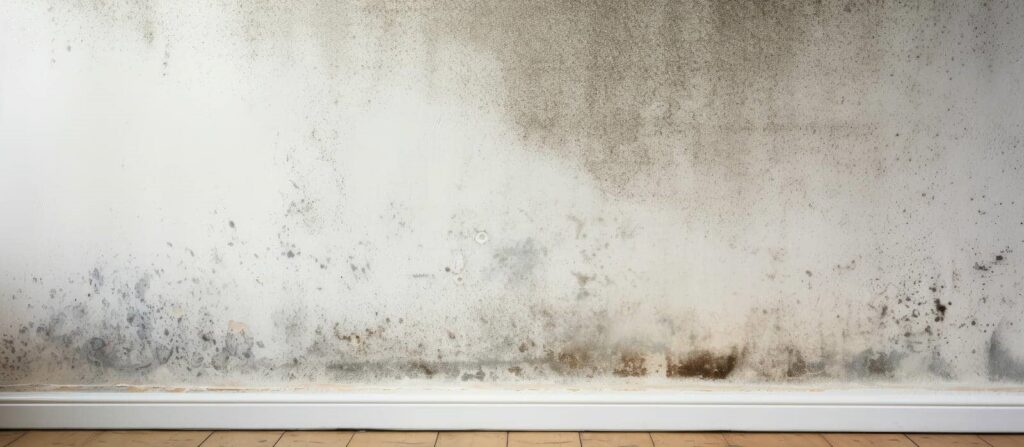
Did you know that about 50% of homes in the U.S. have mold issues? If you suspect black mold is lurking in your space, it’s essential to act swiftly. Proper mold removal techniques can save you from potential health risks and costly repairs. But before you grab that bleach, there are several effective methods to take into account. Let’s explore these strategies to guarantee your home stays safe and mold-free.
Key Takeaways
- Wear protective gear, including N95 masks, gloves, and goggles, to shield yourself from harmful mold spores during removal.
- Use effective solutions like bleach, vinegar, or hydrogen peroxide, applying them to affected areas and scrubbing thoroughly.
- Replace porous materials like drywall or carpet if they are extensively damaged by mold, as they cannot be fully cleaned.
- Maintain proper humidity levels (30-50%) and use dehumidifiers in damp areas to prevent mold regrowth after removal.
- Conduct post-removal inspections with moisture meters to identify hidden mold and ensure good ventilation in previously affected areas.
What Is Black Mold and Why Should You Care?
Black mold, scientifically known as Stachybotrys chartarum, is a type of fungus that can pose serious health risks if left unchecked in your home.
You might’ve heard various mold myths claiming that all molds are harmless or that you can easily remove them yourself. However, black mold can lead to respiratory issues, allergic reactions, and even more severe health problems, especially for vulnerable individuals like children and the elderly.
It thrives in damp, poorly ventilated areas, making it essential to address moisture issues quickly. Understanding the risks associated with black mold not only protects your health but also fosters a safe environment for your loved ones.
Prioritizing mold prevention and removal is crucial for maintaining a healthy home and community.
Signs of Black Mold in Your Home
Mold spores can silently invade your home, often without any immediate signs. However, you might start noticing some telltale indicators.
Look for dark, greenish-black patches on walls, ceilings, or hidden areas like behind appliances. These are often signs of black mold.
Pay attention to musty odors; if you smell something earthy or damp, it could be lurking nearby.
You may also experience mold symptoms, such as coughing, sneezing, or skin irritation, which can signal a mold problem.
If you or your family members develop unexplained respiratory issues, fatigue, or headaches, these could be health effects linked to mold exposure.
It’s essential to act quickly to protect your home and the well-being of your loved ones.
Safety First: Wear Protective Gear When Removing Mold
When tackling black mold removal, wearing the right protective gear is essential for your safety.
Make certain to use gloves, goggles, and a mask specifically designed to filter out mold spores.
Following proper usage guidelines for each item will help guarantee you stay safe during the removal process.
Essential Protective Gear
Removing mold can pose serious health risks, so wearing the right protective gear is essential.
To guarantee your safety while tackling mold removal, consider these key items:
- Protective Masks: Use N95 or higher-rated masks to filter out harmful spores and prevent inhalation.
- Safety Goggles: Shield your eyes from mold particles and any cleaning solutions that may irritate.
- Gloves: Opt for rubber or nitrile gloves to protect your hands from direct contact with mold and chemicals.
- Coveralls: Wear disposable coveralls to keep mold spores from settling on your clothing and spreading throughout your home.
Proper Usage Guidelines
Taking the necessary precautions with protective gear is just the first step in guaranteeing your safety during mold removal. You should wear gloves, goggles, and a mask to shield yourself from harmful spores.
Before starting, verify the area is well-ventilated to minimize inhalation risks. Use EPA-approved mold removal products for effective cleanup techniques, and always follow the manufacturer’s instructions carefully.
If you’re dealing with extensive mold, consider using a respirator for added protection. Remember to dispose of contaminated materials properly and wash your hands thoroughly after handling moldy items.
How to Keep Your Home Dry and Mold-Free
To keep your home dry and mold-free, focus on proper ventilation and regular moisture checks.
Make certain that areas like bathrooms and kitchens are well-ventilated by using exhaust fans and opening windows when possible.
Regularly inspect for leaks or damp spots, as catching moisture early can prevent mold growth before it starts.
Proper Ventilation Practices
While it may seem simple, maintaining proper ventilation in your home is essential for preventing mold growth and guaranteeing a dry environment.
Effective air circulation helps keep moisture at bay and promotes a healthier living space.
Here are four key practices to enhance your ventilation systems:
- Use Exhaust Fans: Install exhaust fans in kitchens and bathrooms to remove excess humidity.
- Open Windows: Regularly open windows to allow fresh air in, especially after cooking or showering.
- Check Ducts: Ascertain HVAC ducts are clean and unobstructed to promote efficient airflow.
- Install Ventilation Grilles: Use grilles in areas like attics or basements to improve circulation and reduce stagnant air.
Regular Moisture Checks
Regular moisture checks are essential for keeping your home dry and mold-free. Start by identifying common moisture sources like leaky pipes, damp basements, or condensation from appliances.
Schedule inspections at least once a month to catch any potential issues early. During your checks, look for signs of water damage, such as discoloration or peeling paint.
Don’t forget to examine hidden areas, like under sinks and behind appliances. If you notice any dampness, remedy it immediately to prevent mold growth.
Top Chemical Solutions for Effective Mold Removal
When tackling black mold, selecting the right chemical solutions can make all the difference in effective removal. Here are some top options to take into account:
- Bleach – A classic choice, bleach kills mold on non-porous surfaces but can be harsh.
- Vinegar – This eco-friendly solution effectively tackles mold and is safe for most surfaces.
- Hydrogen Peroxide – This powerful alternative not only removes mold but also disinfects, making it a great option.
- Boric Acid – An effective chemical alternative, boric acid is gentle on surfaces yet tough on mold.
Using these solutions can help you reclaim your space and guarantee a healthier environment.
Always remember to wear protective gear and test any solution on a small area first!
Best Practices for Scrubbing Mold From Surfaces
After selecting the right chemical solution for mold removal, the next step is scrubbing the affected surfaces effectively.
Start by wearing gloves and a mask to protect yourself. Use a stiff brush for textured surfaces and a sponge for smoother areas. Dampen the surface first; this helps the cleaning solution cling and work better.
Apply your chosen solution, then scrub using effective scrubbing techniques, moving in circular motions to lift the mold. Rinse the area thoroughly with water, making sure no residue remains.
For porous materials, consider replacing them if they’re extensively damaged.
Remember these surface cleaning tips: always work from top to bottom to avoid spreading mold spores and maintain proper ventilation in the area while you scrub.
When Should You Call a Professional?
How do you know if a mold problem is beyond your DIY capabilities? Here are some signs that it’s time to call in a professional:
- Extensive growth: If you see mold covering more than 10 square feet, it’s best to get a mold inspection.
- Hidden mold: If you suspect mold inside walls or ceilings, a professional can safely assess and remove it.
- Health issues: If you or your family experience unexplained health risks like respiratory issues or allergic reactions, don’t hesitate to seek expert help.
- Recurring mold: If mold keeps returning despite your efforts, a professional can identify the source and provide a lasting solution.
Don’t risk your health; trust the experts when the situation escalates.
Tips to Prevent Future Mold Growth
To keep mold from returning, you should control indoor humidity levels by using dehumidifiers and ensuring proper ventilation in your home.
Regularly inspecting plumbing areas for leaks or moisture buildup will help you catch potential problems before they escalate.
Control Indoor Humidity Levels
Controlling indoor humidity levels is essential for preventing mold growth, especially in damp areas of your home.
Proper humidity control and moisture management can make a significant difference in creating a healthy living environment.
Here are four practical tips to help you maintain ideal humidity:
- Use Dehumidifiers****: Place dehumidifiers in areas prone to moisture, like basements and bathrooms.
- Ventilate Rooms: Open windows or use exhaust fans in kitchens and bathrooms to improve air circulation.
- Monitor Humidity Levels: Invest in a hygrometer to keep track of indoor humidity, aiming for levels between 30-50%.
- Seal Leaks: Check for and repair any leaks in roofs, walls, or plumbing to prevent moisture buildup.
Regularly Inspect Plumbing Areas
Regularly inspecting plumbing areas is essential for preventing mold growth, as hidden leaks can create the perfect breeding ground for mold spores.
Make it a habit to check under sinks, around toilets, and near water heaters for any signs of moisture or water damage. During these inspections, pay close attention to joints and connections, as these are common leak points.
Good plumbing maintenance involves not just fixing visible leaks but also performing leak detection tests periodically. If you spot any water stains or musty odors, address the issue immediately.
How to Control Humidity and Combat Mold
While you mightn’t always notice it, high humidity levels create the perfect environment for mold to thrive.
To keep your home safe and mold-free, consider these effective humidity control methods:
- Use Dehumidifiers: Invest in a good dehumidifier to maintain ideal humidity levels, ideally between 30-50%.
- Ventilate Properly: Open windows and use exhaust fans in kitchens and bathrooms to reduce moisture.
- Seal Leaks: Check for leaks in roofs, walls, and plumbing to prevent water accumulation.
- Monitor Indoor Plants: Limit indoor plants, as they can add unnecessary moisture to the air.
Implementing these mold prevention strategies will help you create a healthier living environment and reduce the risk of mold growth in your home.
Post-Removal Steps to Ensure Your Home Is Mold-Free
After you’ve successfully removed black mold, it’s crucial to take specific steps to guarantee your home remains mold-free.
Start with post-removal inspections thoroughly check areas where mold previously thrived. Use effective mold detection techniques, like moisture meters, to identify potential problem spots.
Confirm your home remains well-ventilated; open windows and use fans to circulate air. Keep humidity levels below 50% by utilizing dehumidifiers in damp areas.
Regularly inspect your home for any signs of moisture or mold recurrence, especially in bathrooms and basements.
Finally, consider applying mold-resistant paints or sealants in vulnerable areas to bolster your defenses.
Frequently Asked Questions
Can Black Mold Cause Long-Term Health Issues?
Yes, black mold can lead to long-term health issues. You might experience black mold symptoms like respiratory problems or allergies, which pose serious health risks if exposure continues. It’s essential to address any mold presence promptly.
How Do I Know if Mold Is Behind Walls?
You can use mold detection methods like moisture meters and infrared cameras. Additionally, wall inspection techniques such as looking for discoloration or musty odors can help you identify if mold is lurking behind your walls.
Is It Safe to Remove Mold Myself?
It’s generally safe to remove mold yourself if you take proper DIY precautions. Wear protective gear, ventilate the area, and use effective mold removal solutions. If the infestation’s large, consider calling a professional for help.
What Are the Costs Associated With Professional Mold Removal?
You’ll find mold removal costs vary, typically ranging from $500 to $6,000, depending on the severity and area affected. Professional services often include inspection, removal, and prevention strategies, ensuring your home’s safety and comfort.
How Can I Tell if Mold Is Toxic?
You can tell if mold is toxic by watching for symptoms like respiratory issues or skin irritation. For certainty, consider mold testing, which identifies specific species and helps determine potential health risks associated with exposure.
Wrap-Up
Tackling black mold isn’t just a chore; it’s a battle for your home’s health! By using the right techniques and solutions, you can reclaim your space from this pesky invader. Remember, prevention is key keep humidity low and ventilation high. If the mold returns like a boomerang, don’t hesitate to call in the pros. With these strategies in hand, you’re well on your way to a mold-free home that’s safe and comfortable for everyone.