
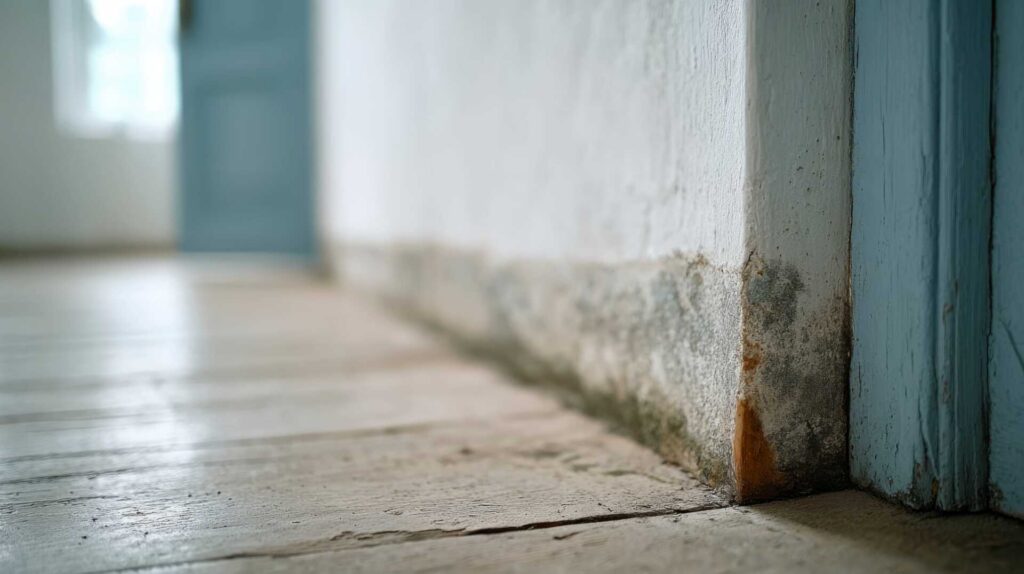
Tackling black mold requires the right tools to ensure effective inspection and removal. From moisture meters to thermal imaging cameras, each tool plays a vital role in identifying and addressing mold issues. Understanding these tools will help you make informed decisions about your approach. What’s fundamental for a successful mold remediation process?
Key Takeaways
- Utilize a moisture meter to identify hidden humidity levels that promote black mold growth during inspection.
- Employ a thermal imaging camera to detect concealed dampness in walls and ceilings.
- Use an inspection checklist to ensure all areas are thoroughly assessed for mold presence.
- Choose EPA-approved mold removers for effective cleanup and consider vinegar or hydrogen peroxide for stubborn spots.
- Equip yourself with an N95 respirator mask, gloves, and goggles for safe mold removal practices.
Essential Tools for Mold Inspection
When you’re inspecting for mold, having the right tools can make all the difference in identifying and evaluating the problem. Start with an inspection checklist to ensure you cover all necessary areas.
Essential tools include a moisture meter, which helps you pinpoint high humidity levels, and a thermal imaging camera to detect hidden dampness. A flashlight is vital for illuminating dark spaces, while a sample collection kit allows you to gather mold samples for lab analysis.
Use mold detection methods like air sampling or surface swabs to assess the extent of contamination. By equipping yourself with these tools, you’ll enhance your ability to identify and address mold issues effectively, fostering a safer environment for you and your community.
Choosing the Right Mold Testing Equipment Made Easy
How can you ensure you’re using the best mold testing equipment for your needs? Choosing the right tools is essential for effective mold inspection. Here’s a quick guide to help you select the ideal equipment:
Mold Test Kits: Look for kits that include air, surface, and bulk sampling options. They should provide reliable results and be easy to use.
Moisture Meters: Important for identifying hidden moisture, these devices help you assess the environment conducive to mold growth. Opt for non-invasive models for convenience.
Calibration and Accuracy: Verify your equipment is calibrated and capable of delivering precise measurements. Regular maintenance checks are critical for performance.
Top Mold Removal Solutions for Effective Cleanup
To effectively tackle mold infestations, it’s essential to employ the right removal solutions that address both the visible mold and its underlying causes.
Begin with a thorough inspection to identify affected areas, then use EPA-approved mold removers or a mixture of vinegar and water for effective cleanup techniques.
For stubborn mold, consider hydrogen peroxide or baking soda as alternatives.
After removal, implement mold prevention strategies, such as improving ventilation and controlling humidity levels.
Sealing leaks and using dehumidifiers can greatly reduce future mold growth.
What Gear Do You Need for Safe Mold Removal?
Addressing mold infestations effectively requires the right cleaning solutions and appropriate gear to ensure safety during removal.
To verify you’re protected, invest in essential protective equipment and adhere to important safety precautions. Here’s what you’ll need:
N95 Respirator Mask – This helps filter out airborne spores, reducing inhalation risks.
Rubber Gloves – Use these to prevent skin contact with mold and cleaning solutions.
Goggles – Protect your eyes from irritants and mold particles during the cleanup.
DIY or Pro? Finding the Right Mold Removal Approach
When faced with a mold problem, deciding between DIY removal and hiring a professional can be challenging.
If you’re considering DIY techniques, assess the severity of the mold growth. Small patches can often be tackled with household cleaning solutions and proper safety gear.
However, if the mold covers a large area or is deeply embedded, professional services are recommended. Professionals possess specialized tools and expertise to handle complex mold situations safely and effectively.
Additionally, they can identify underlying issues contributing to mold growth, ensuring a more thorough solution.
Weigh your comfort level, the extent of the infestation, and the potential health risks. Making an informed choice can lead to a safer, mold-free environment for you and your loved ones.
Frequently Asked Questions
What Are the Health Risks Associated With Black Mold Exposure?
Exposure to black mold can trigger health symptoms like respiratory issues, headaches, and skin irritation. If you have mold allergies, these symptoms can worsen, leading to more severe reactions and chronic health problems over time.
How Do I Identify Black Mold Versus Other Types of Mold?
To identify black mold, use mold identification techniques. Look for its dark, slimy appearance and musty odor. Compare visual mold characteristics; black mold often appears as blotches, unlike other molds, which vary in color and texture.
Can Mold Grow in My HVAC System?
Yes, mold can grow in your HVAC system if it’s not properly maintained. Regular HVAC maintenance and mold prevention measures, like changing filters and ensuring proper humidity levels, are essential to avoid mold growth.
How Long Does It Take for Mold to Grow After Water Damage?
Mold can start growing within 24 to 48 hours after water damage. This rapid mold growth timeline highlights the urgent water damage effects, emphasizing the need for prompt action to prevent extensive contamination and health risks.
Will Cleaning Mold With Bleach Completely Remove It?
Cleaning mold with bleach isn’t always effective for complete mold removal. While it kills surface mold, it doesn’t penetrate porous materials, allowing regrowth. Consider using specialized mold removers for thorough and lasting results instead.
Final Thoughts
When you tackle black mold, equip yourself with the right tools for inspection and removal. Use a moisture meter to pinpoint damp areas, a thermal imaging camera to uncover hidden issues, and a flashlight to navigate dark spaces. Whether you choose DIY methods or hire a professional, having a thorough checklist and proper gear ensures effective remediation. Prioritize safety and health, and you’ll create a mold-free environment for yourself and your loved ones.