
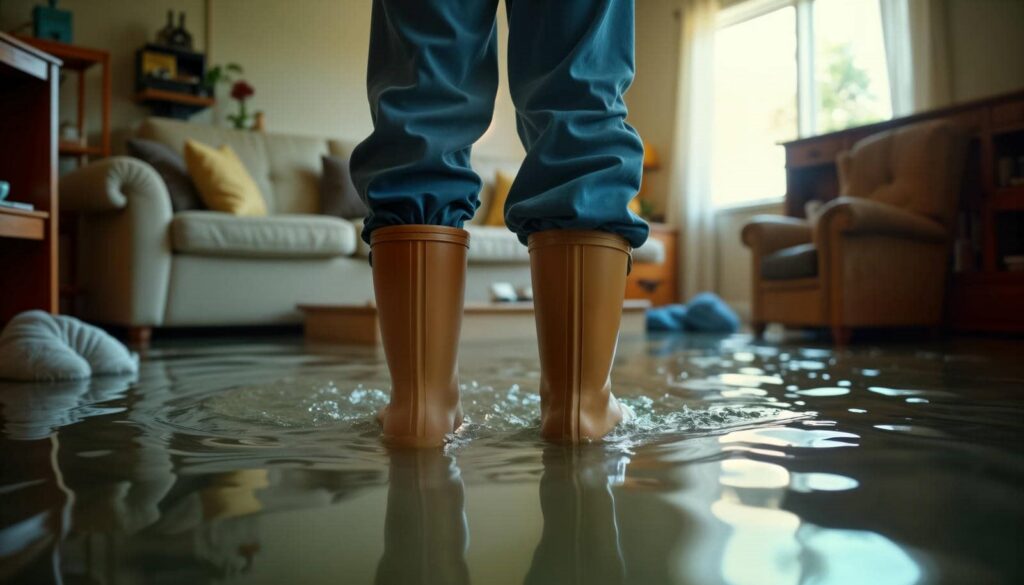
Evaluating water damage in your home requires a systematic approach to guarantee nothing is missed. You’ll want to start with visual inspections, looking for signs of discoloration and odors. Employing tools like moisture meters and infrared cameras can reveal hidden issues. Understanding how to gauge the extent of water damage assessment in making informed decisions. But what happens if you uncover more than you expected? The next steps could be vital.
Key Takeaways
- Conduct thorough visual inspections for discoloration, peeling paint, and musty odors to identify potential water damage.
- Utilize a moisture meter to measure moisture levels in materials for accurate assessment of hidden leaks.
- Implement moisture mapping to locate concealed moisture areas that standard inspections may overlook.
- Document findings using an inspection checklist to guide remediation steps effectively and prevent future issues.
- Consider hiring professionals if mold is present, damage is significant, or structural components are involved for expert evaluation.
What Are the Early Signs of Water Damage?
When you start noticing the early signs of water damage, it’s vital to act quickly to prevent further complications.
Look for discoloration on walls or ceilings, which may indicate moisture infiltration. Peeling paint or wallpaper can also signal an underlying issue. Pay attention to musty odors, as they often accompany mold growth, a serious concern that can compromise your health.
Additionally, check for warped floors or ceilings, which can threaten your home’s structural integrity. If you spot any leaks or pooling water, it’s important to address them immediately.
By identifying these warning signs early, you’ll safeguard your home and guarantee a safe environment for you and your loved ones.
Don’t wait—timely action is key to effective prevention.
Top Tools to Identify Water Damage
Identifying water damage early can prevent significant issues down the line, and having the right tools at your disposal makes this process much more efficient.
To effectively implement water leak detection and enhance your flood prevention strategies, consider these essential tools:
- Moisture Meter: Measures moisture levels in various materials, helping you pinpoint hidden leaks.
- Infrared Camera: Detects temperature differences that indicate moisture presence, allowing for non-invasive assessments.
- Water Detection Sensors: Alerts you to leaks in real-time, providing immediate awareness and facilitating prompt action.
Using these tools not only equips you for efficient water damage identification but also fosters a sense of belonging in a community focused on maintaining safe and healthy homes.
How to Evaluate the Extent of Water Damage
To evaluate the extent of water damage, you’ll start with a thorough visual inspection of affected areas, looking for signs like discoloration or mold growth.
Next, you can use moisture measurement devices to quantify the moisture levels in materials and determine the severity of the damage.
Visual Inspection Techniques
A thorough visual inspection is essential for accurately evaluating the extent of water damage in any affected area.
Start by preparing an inspection checklist to guarantee you don’t miss critical visual cues. Look for signs that indicate water intrusion, such as:
- Discoloration or staining on walls and ceilings
- Warping or buckling of flooring materials
- Mold growth or musty odors
Pay attention to the areas around windows, doors, and plumbing fixtures, as these are common sources of water damage.
As you conduct your inspection, take your time to document findings. This methodical approach not only helps you assess the damage but also guides you in determining the next steps for remediation.
Being diligent now can save you time and money later.
Moisture Measurement Devices
While visual inspections provide valuable insights, utilizing moisture measurement devices is essential for accurately evaluating the extent of water damage.
Moisture meters, specifically pin and pinless types, allow you to assess hidden moisture levels in walls, floors, and ceilings. Pin meters measure electrical resistance, while pinless meters use electromagnetic signals, ensuring you don’t damage surfaces.
Additionally, infrared thermography detects temperature differences, revealing moisture patterns invisible to the naked eye. This technique can efficiently locate leaks and moisture accumulation without invasive procedures.
By incorporating these tools into your assessment process, you’ll gain a thorough understanding of the damage, enabling you to make informed decisions about repairs and restoration.
Investing in these devices fosters a proactive approach to maintaining your home’s integrity.
Why Moisture Mapping Matters for Damage Assessment
Moisture mapping is essential for pinpointing hidden moisture areas that standard assessments might overlook.
By accurately identifying these pockets, you can markedly enhance the efficiency of the restoration process.
This targeted approach not only mitigates further damage but also optimizes resource allocation during recovery efforts.
Identifying Hidden Moisture Areas
How can you effectively identify hidden moisture areas in a structure? Start by using moisture mapping techniques to pinpoint potential hidden leaks and damp surfaces.
By employing specialized tools, you’ll gain insight into areas that may be harboring moisture without visible signs.
- Use a moisture meter to detect elevated levels in walls and floors.
- Inspect behind appliances and under sinks, common spots for hidden leaks.
- Check for discoloration or swelling in drywall that could indicate moisture intrusion.
This detailed approach not only helps you identify problem areas but also empowers you to take preventative measures.
Addressing these hidden moisture zones promptly can protect your home and create a healthier living environment.
Enhancing Restoration Efficiency
Effective moisture mapping is essential for enhancing restoration efficiency in water damage assessment. By accurately identifying moisture levels throughout your property, you can implement targeted restoration strategies that minimize time and resources.
This method allows you to pinpoint areas requiring immediate attention, streamlining the entire restoration process. Using advanced techniques such as infrared thermography or moisture meters, you can visualize hidden moisture pockets that might otherwise go unnoticed.
These efficiency improvements not only reduce the risk of mold growth but also help you avoid unnecessary repairs. Ultimately, moisture mapping empowers you to make informed decisions, ensuring that your restoration efforts are both effective and timely, fostering a sense of community among homeowners facing similar challenges.
Identifying Hidden Risks of Water Damage
When evaluating water damage, have you considered the hidden risks that might lurk beneath the surface? Identifying these risks is essential to safeguarding your home.
Often, water sources like leaky pipes or roof issues can lead to mold growth and structural damage, which may not be immediately visible. Implementing preventive measures can help mitigate these dangers.
- Check for damp spots in walls or ceilings.
- Inspect your basement or crawl space for standing water.
- Monitor your home’s humidity levels regularly.
When to Hire Water Damage Professionals
Although you might feel tempted to handle minor water damage issues on your own, knowing when to call in professionals can save you time and prevent further complications.
If you notice mold growth, persistent dampness, or water pooling, these are clear signs of urgency that indicate it’s time to consult professionals. Additionally, if the damage exceeds a small area or involves structural components, don’t hesitate to reach out for expert help.
Professionals possess specialized equipment to assess damage accurately, ensuring thorough remediation. Moreover, if you’re unsure about the extent of the water damage, it’s better to err on the side of caution.
Recognizing these indicators allows you to protect your home and investment effectively.
Frequently Asked Questions
How Can I Prevent Future Water Damage in My Home?
To prevent future water damage, you should implement effective waterproofing methods and explore drainage solutions. Regularly inspect your home’s foundation, gutters, and downspouts to guarantee they’re functioning properly and directing water away from your property.
What Insurance Coverage Do I Need for Water Damage?
You’ll want home insurance that specifically includes water damage coverage. Check your policy’s coverage limits; they should adequately protect your property. Consider additional riders if you live in high-risk areas for flooding or leaks.
Are There DIY Methods for Assessing Water Damage?
Yes, you can assess water damage yourself. Use moisture meters to check hidden areas, and conduct thorough visual inspections for discoloration or warping. These methods help you identify issues early, ensuring your home’s safety and integrity.
How Long Does It Take to Dry Out Water-Damaged Areas?
Drying time for water-damaged areas typically ranges from 24 to 48 hours, depending on moisture levels and ventilation. You should monitor humidity and use fans or dehumidifiers to guarantee effective drying throughout the process.
What Are the Health Risks Associated With Water Damage?
Water damage can lead to mold growth, thriving in damp areas, while also causing respiratory issues. You need to act fast to mitigate risks, ensuring your home stays safe and healthy for you and your loved ones.
Wrap-Up
Evaluating water damage is like solving a puzzle; each piece reveals essential information about your home’s health. By recognizing early signs, utilizing the right tools, and determining the extent of damage, you can effectively protect your investment. Don’t underestimate the importance of moisture mapping and identifying hidden risks, as these steps can save you time and money. When in doubt, don’t hesitate to call in the professionals they’re the experts who can help you put the pieces back together.