
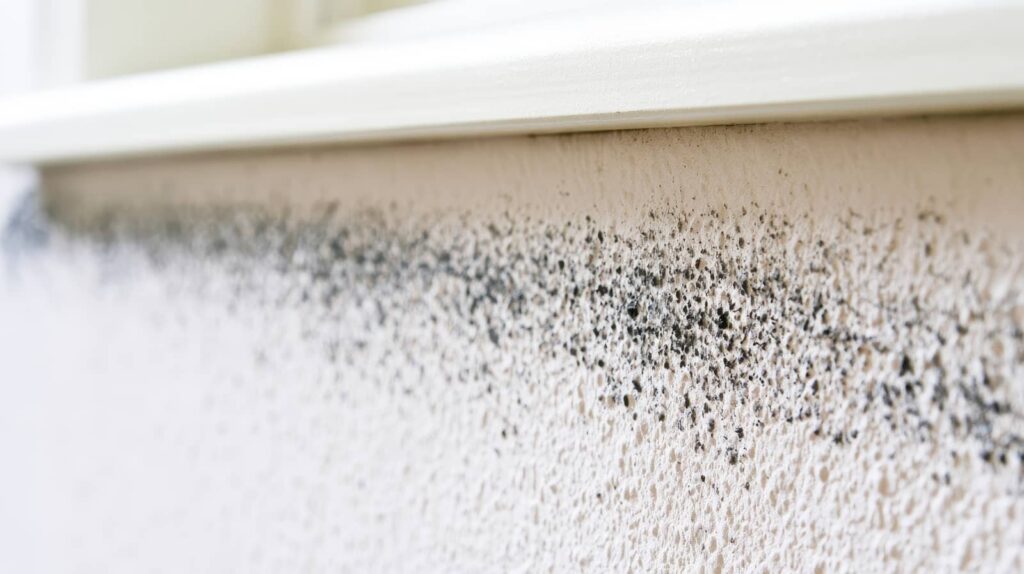
After water damage, you need mold testing to see whether hidden growth has started behind walls, under flooring, or inside insulation. You can use air sampling, surface sampling, or moisture mapping, depending on what you’re trying to confirm. If materials stayed wet for more than 24 to 48 hours, the risk rises quickly. The next step is knowing which test actually tells you what’s happening, and that choice matters.
Key Takeaways
- Test after water damage if materials stayed wet more than 24–48 hours, especially when hidden areas may have been affected.
- Use air sampling to check airborne spores, surface sampling to confirm visible growth, and bulk or tape samples for material identification.
- Perform moisture mapping with moisture meters to locate hidden damp areas and target mold inspections accurately.
- Include visible mold, water-damaged areas, affected sizes, mold types, and testing methods in the inspection report.
- Use test results to guide drying, repairs, leak sealing, and other steps that reduce mold growth and health risks.
Do You Need Mold Testing After Water Damage?
Whether you need mold testing after water damage depends on how long the materials stayed wet, what was affected, and whether you already see or smell signs of growth.
If drywall, insulation, carpet, or framing stayed damp for more than 24 to 48 hours, you should consider testing. You also need it when you can’t confirm that cleanup reached hidden areas.
Testing can help you verify mold growth, document conditions, and reduce health risks for everyone in the space. If you live with children, older adults, or anyone with asthma or allergies, act quickly and stay alert to symptoms.
When the source is fixed and materials dried fast, testing may not be necessary, but you still need to monitor closely afterward.
Which Mold Test Is Best?
The best mold test depends on what you need to learn: air sampling can show whether spores are circulating, surface sampling can confirm visible growth, and bulk or tape samples can identify the material involved.
You’ll get the most useful result when you match the method to your goal and budget. For practical mold identification techniques, consider:
- Air sampling for air quality assessments and comparison across rooms.
- Tape or swab sampling for fast confirmation on suspect surfaces.
- Bulk sampling when you need lab analysis of damaged materials.
You don’t need every test. Choose the one that answers your question, then use the lab report to guide your next step.
That way, you stay informed, confident, and aligned with others facing the same cleanup.
How Moisture Mapping Finds Hidden Mold
You use moisture mapping to compare readings across walls, floors, and ceilings, which helps you spot abnormal damp areas after water damage.
Moisture meter readings show where water has spread beyond visible staining, so you can target inspection and testing more accurately.
This approach helps you detect hidden mold before it becomes obvious.
Moisture Meter Readings
Moisture meter readings give you a quick, targeted way to trace where water has soaked into walls, floors, and framing after a leak or flood. You use them to confirm moisture detection and compare humidity levels across rooms, so you can tell which materials still need drying.
Readings help you map the wet zone and plan your next steps with confidence.
- Check suspect areas first, then expand outward.
- Compare readings on dry and damp surfaces.
- Record each point so you can track changes.
This process keeps you connected to the restoration plan and helps your team focus on the right spots.
When readings stay elevated, you know hidden moisture remains and drying isn’t finished yet.
Hidden Mold Detection
Elevated moisture readings often point to more than surface wetness, since water can travel into cavities, behind trim, and under flooring where mold can grow out of sight.
You use moisture mapping to trace those pathways and identify hidden damp zones before damage spreads. A technician scans walls, ceilings, and floors, then compares readings to normal building materials.
When patterns stay elevated, you know to open targeted areas and inspect for mold colonies, staining, or decay. This approach helps you catch mold spores early, reduce unnecessary demolition, and protect indoor air quality.
If you live or work in the space, you gain a clearer plan and a safer next step. Hidden mold doesn’t have to stay hidden when your inspection is methodical and precise.
What Should a Mold Inspection Report Show?
A solid mold inspection report should clearly document where the inspector found visible mold, water damage, or conditions that support mold growth, along with the size and location of each affected area.
You should also see which mold types the lab or inspector identified, plus the inspection methods used, such as moisture readings, surface checks, and air sampling. That gives you a shared, reliable record.
- Exact room, wall, ceiling, or material affected
- Evidence notes, photos, and measurements
- Clear findings, limits, and test results
You’ll want concise wording that helps you compare areas and understand risk without guesswork.
A complete report should make you feel informed, included, and ready to talk with your contractor or specialist.
How Repairs Lower Mold Risk
Once repairs begin, they lower mold risk by removing the conditions mold needs to spread: wet materials, hidden leaks, poor drainage, and trapped humidity.
You protect your space by drying framing, replacing saturated drywall, and sealing gaps that let water return. Good repair techniques also correct sloped drains, broken flashing, and damaged caulk, so moisture can’t linger in walls or floors.
As you reset surfaces, you also improve airflow and clean debris that can hold spores. These mold prevention strategies work best when you act quickly and verify that moisture levels drop to safe ranges.
You’re not just fixing damage; you’re restoring a healthier environment for everyone in the home and reducing the chance that mold gets a foothold again.
When Should You Call a Mold Remediation Expert?
You should call a mold remediation expert when water damage has soaked porous materials, mold covers more than a small area, or you notice a persistent musty odor after drying and repairs. You’ll protect your home and your people by acting fast.
-
If drywall, insulation, or carpet stayed wet more than 24 to 48 hours, mold can spread behind surfaces.
-
If anyone has asthma, allergies, or other mold health effects, you need a controlled response.
-
If you can’t trace the source, a pro can inspect, contain, and complete the remediation process correctly.
A qualified expert will test, remove contaminated materials, dry hidden cavities, and verify cleanup.
That’s how you restore a safe, healthy space with confidence.
Frequently Asked Questions
What Mold Testing Is Best for New Water Stains?
For new water stains, you’ll get the best result with air sampling plus a surface swab. These testing methods identify mold types quickly, helping you verify hidden growth, compare contamination, and act confidently with your crew.
How Long After Drying Should Mold Tests Be Done?
You should test right after drying, ideally within 24–48 hours, because the mold growth timeline can shift quickly; a post drying assessment helps you catch trouble early, and you’ll fit right in with proactive owners.
Can Mold Testing Confirm Hidden Damage Inside Walls?
Not fully. You can use mold testing to suggest hidden mold, but wall inspections and moisture readings confirm damage inside walls better. You’ll belong to the safest outcome when you combine both methods.
Do Insurance Companies Require Specific Mold Test Results?
Yes, you’ll usually need insurer-approved results, but requirements vary by policy and adjuster. You should document mold coverage limits, follow the claim process, and use certified sampling to support your report and improve your claim outcome.
Should HVAC Systems Be Tested After Water Intrusion?
Yes, you should test HVAC systems after water intrusion. You’ll need HVAC inspections, a moisture assessment, air quality checks, and system sanitation to protect your space, confirm safety, and keep your environment reliable and welcoming.
Conclusion
After water damage, you need mold testing if materials stayed wet more than 24 to 48 hours. You might think visible drying is enough, but hidden mold often grows inside walls, under flooring, and in insulation. Use air or surface sampling, plus moisture mapping, to confirm the problem and guide repairs. A clear inspection report should show contamination, moisture levels, and next steps, so you can lower health risks and prevent mold from returning.