
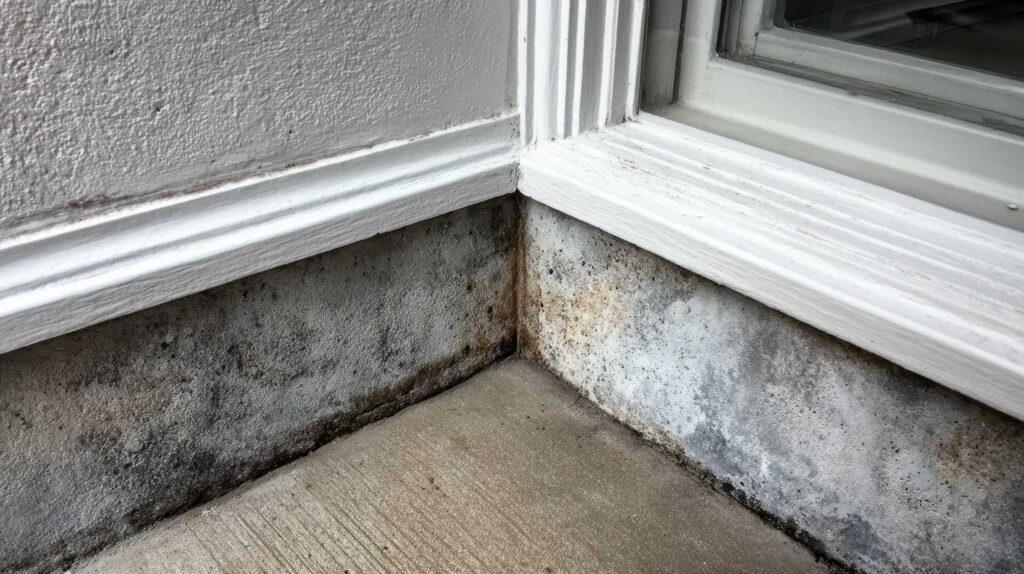
When water damage occurs in your home, mold can start to develop within just 24 to 48 hours if you don’t act quickly. Utilizing mold remediation techniques for wet materials is essential to halt this rapid growth. These methods help identify affected areas and ensure proper removal and cleaning. Understanding how to effectively manage this situation can make a significant difference in your home’s health and safety. What steps should you take next?
Key Takeaways
- Mold remediation techniques prevent the rapid growth of mold, which can occur within 24 to 48 hours after water exposure.
- Effective remediation preserves building materials and furnishings, minimizing expensive repairs associated with mold damage.
- Specialized cleaning solutions eliminate mold spores, ensuring a healthier environment and reducing potential health risks.
- Swift action in remediation reinforces a commitment to maintaining a safe living space for occupants.
- Proper techniques enhance air quality and reduce musty odors, contributing to overall comfort in the living area.
Understanding Mold Growth Conditions for Effective Mold Remediation
Understanding the conditions that foster mold growth is essential for effective remediation. Mold spores thrive in environments where humidity levels exceed 60%.
To combat this, you need to implement humidity control measures. Regularly monitor indoor humidity using hygrometers, and employ dehumidifiers in damp areas like basements or bathrooms.
Ensuring proper ventilation can also greatly reduce moisture accumulation, especially in kitchens and laundry rooms. You should inspect and maintain plumbing systems to prevent leaks, which can introduce excess moisture.
Why Quick Action Against Wet Materials Prevents Mold Growth
When you act quickly to address wet materials, you greatly reduce the risk of mold growth. Mold can begin to develop within 24 to 48 hours after water exposure, so implementing preventative measures is vital.
By drying out affected areas promptly, you interrupt the mold timeline, effectively hindering its establishment. This quick response protects your property and promotes a healthier environment for you and your community.
Additionally, swift action helps mitigate potential health risks associated with mold exposure, reinforcing your commitment to maintaining a safe space.
Effective Techniques for Remediating Wet Materials Affected by Mold
Addressing mold-affected wet materials requires a strategic approach to ensure effective remediation.
Start with a thorough mold assessment to identify the extent of contamination and determine which materials can be salvaged. For porous materials like drywall or carpets, consider disposal if they’re heavily infested.
In cases where materials can be saved, use specialized cleaning solutions designed to eliminate mold spores. Ensure you wear protective gear to avoid exposure during the process.
After cleaning, allow adequate drying time to prevent future mold growth. If you’re unsure about the process or the materials involved, consult a professional to assist with mold assessment and material disposal.
Taking these steps helps ensure a safe, mold-free environment for you and your loved ones.
How Structural Drying Helps Prevent Mold Growth
To effectively prevent mold growth, structural drying is essential after water damage occurs. This process restores your property’s structural integrity while also ensuring moisture control, creating an environment less conducive to mold growth.
By rapidly removing excess water and reducing humidity levels, you protect your home and health.
Consider these key benefits of structural drying:
- Accelerated evaporation of wet materials
- Preservation of building materials and furnishings
- Prevention of further damage and costly repairs
- Reduction of musty odors often associated with mold
- Enhanced air quality for a healthier living environment
How Dehumidifiers Help Fight Mold
While structural drying is essential, dehumidifiers play an important role in mold prevention by efficiently lowering humidity levels in your space.
The dehumidifier benefits include creating an environment that’s less conducive to mold growth. By actively removing excess moisture, these devices help maintain ideal humidity levels, typically between 30% and 60%.
When humidity exceeds this range, mold spores thrive, making moisture control vital in preventing infestations. Using a dehumidifier protects your belongings and improves air quality, contributing to a healthier living environment.
Regularly running a dehumidifier, especially in vulnerable areas like basements and bathrooms, greatly reduces the risk of mold, ensuring your home remains a safe and welcoming space for you and your loved ones.
Avoid These Common Mistakes in Mold Remediation
When tackling mold remediation, you must avoid common mistakes that can exacerbate the problem.
Ignoring early signs, using improper containment methods, and employing inadequate drying techniques can lead to persistent mold growth.
Addressing these issues promptly ensures a more effective and thorough remediation process.
Ignoring Early Signs
Neglecting the early signs of mold can lead to significant complications in remediation efforts.
Early detection and symptom recognition are vital in preventing extensive damage. When you overlook these indicators, you risk a larger infestation that’s harder to control.
Watch for these common signs:
- Musty odors that linger in the air
- Discoloration on walls or ceilings, often yellow or brown
- Peeling paint or wallpaper that seems to bubble
- Increased allergy symptoms, like sneezing or coughing
- Visible mold growth in damp areas, such as bathrooms or basements
Improper Containment Methods
Ignoring early signs of mold can lead to improper containment methods during remediation, exacerbating the issue.
When you fail to implement proper sealing techniques, you risk containment failures that allow mold spores to spread to unaffected areas. Always use high-quality, durable materials to seal off the contaminated space, ensuring that you prevent air leaks and limit exposure.
A common mistake is neglecting to create a negative-pressure environment, which can inadvertently release spores into the air. Remember, even small gaps can undermine your efforts.
By prioritizing effective containment strategies, you protect your health and foster a sense of community responsibility for maintaining a safe living environment.
Avoid these pitfalls to achieve successful mold remediation.
Inadequate Drying Techniques
As moisture lingers in affected materials, inadequate drying techniques can greatly hinder mold remediation efforts.
When you’re tackling mold, it’s essential to address drying methods effectively. Avoid these common mistakes to enhance your remediation process:
Neglecting adequate ventilation: Without airflow, moisture retention escalates.
Using insufficient drying equipment: Fans and dehumidifiers are imperative for rapid drying.
Overlooking hidden moisture: Inspect behind walls and under floors to find trapped moisture.
Failing to monitor humidity levels: Aim for below 60% relative humidity to discourage mold growth.
Delaying the drying process: The longer materials stay wet, the higher the risk of mold proliferation.
When to Call Professionals for Mold Remediation?
How can you determine when it’s time to call in professionals for mold remediation? If you notice extensive mold growth, especially over 10 square feet, it’s vital to seek help.
A mold inspection is essential to assess the situation accurately, as hidden mold can pose significant health risks. If you or your family experience respiratory issues, allergic reactions, or other health concerns, don’t hesitate to contact experts.
Additionally, if the affected area is in a high-moisture environment or if you suspect mold has penetrated walls or insulation, professional assistance is necessary.
Frequently Asked Questions
Can Mold Remediation Techniques Be Applied to Furniture and Textiles?
Yes, you can apply mold remediation techniques to furniture and textiles. Proper furniture cleaning and textile preservation methods effectively remove mold, ensuring your belongings remain safe and intact, fostering a sense of belonging in your environment.
What Are the Health Risks Associated With Mold Exposure?
Mold exposure can lead to serious health effects, like respiratory issues and allergic reactions. While some people experience mild mold symptoms, others may face severe consequences, highlighting the importance of addressing mold promptly and effectively.
How Long Does the Mold Remediation Process Typically Take?
Mold remediation timelines vary, typically ranging from a few days to several weeks. Factors like the extent of contamination, material types, and environmental conditions influence the project’s duration, so you’ll need a professional assessment for accurate estimates.
Are There DIY Mold Remediation Methods That Are Effective?
Yes, you can use homemade solutions like vinegar or baking soda for mold removal. Combine these with prevention strategies, such as proper ventilation and moisture control, to effectively manage mold growth in your space.
What Should I Do With Items That Are Heavily Infested With Mold?
You should conduct a mold assessment to determine the severity. If items are heavily infested, prioritize item disposal to prevent health risks. Always follow safety protocols when handling contaminated materials to protect yourself and others.
Final Thoughts
Using mold remediation techniques for wet materials is essential for preventing mold growth and protecting your environment. For instance, consider a homeowner who experienced a burst pipe and acted quickly to dry the affected area, using dehumidifiers and structural drying methods. As a result, they successfully avoided a costly mold infestation that could have led to health issues and extensive repairs. By understanding and applying these techniques, you can safeguard your home and well-being effectively.