
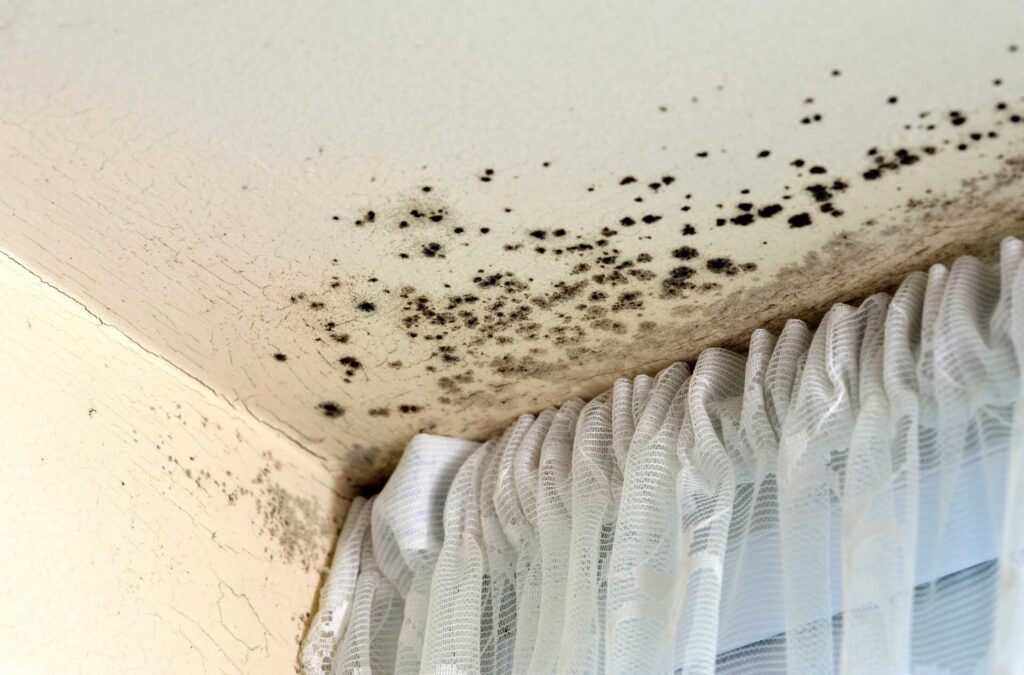
When it comes to home maintenance, black mold is the unwelcome guest that can wreak havoc on your health and property. Identifying effective black mold removal techniques is vital to restoring your living space. From natural remedies to commercial solutions, knowing your options can make a significant difference. So, how do you tackle this pervasive issue and ensure your home remains safe and mold-free? Explore the best strategies to combat black mold effectively.
Key Takeaways
- Use a vinegar solution to effectively disinfect and eliminate black mold from surfaces without harsh chemicals.
- Create a baking soda paste mixed with water to scrub mold off porous materials like drywall and wood.
- Apply hydrogen peroxide directly on moldy surfaces for its antifungal properties and to kill spores.
- Utilize tea tree oil mixed with water as a natural mold killer and prevent future growth.
- Regularly check and maintain indoor humidity levels below 60% to deter mold growth in your home.
Understanding Black Mold: Why It’s a Problem
While many people may dismiss black mold as just an unsightly nuisance, it poses serious health risks and structural damage to homes.
Understanding the mold lifecycle is vital for homeowners. Mold spores thrive in damp environments, reproducing rapidly and infiltrating your living space. You might experience symptoms like respiratory issues, allergies, or skin irritations if exposed.
These health risks extend beyond immediate discomfort; long-term exposure can lead to chronic conditions. Additionally, black mold can weaken structural components of your home, resulting in costly repairs.
Recognizing the severity of black mold is essential for maintaining a safe, healthy environment for you and your loved ones. Don’t wait for the problem to escalate; addressing it promptly can prevent significant consequences.
Signs of Black Mold Infestation in Your Home
How can you tell if black mold has taken hold in your home? Recognizing the signs is essential for effective mold identification techniques. Here are key indicators to watch for:
- Visible Growth: Look for dark green or black patches on walls, ceilings, or damp areas.
- Persistent Odor: A musty smell often indicates mold presence, even if you can’t see it.
- Health Symptoms: Notice any respiratory issues, skin irritation, or allergy-like symptoms among family members.
- Moisture Sources: Identify household mold sources such as leaky pipes, damp basements, or poorly ventilated areas.
How to Gauge Your Black Mold Situation?
To gauge your black mold situation, start by identifying mold locations in your home, as this will help you understand the extent of the problem.
Next, assess any health symptoms you or your family members might be experiencing, since mold exposure can lead to various health issues.
Finally, evaluate moisture levels in your environment, as high humidity can indicate favorable conditions for mold growth.
Identify Mold Locations
Identifying mold locations in your home is essential for effectively addressing a black mold issue, as even small patches can lead to significant health risks and structural damage.
Use these mold detection techniques to find common mold locations:
- Basements and crawl spaces – These areas often have high humidity, making them prime spots for mold growth.
- Bathrooms – Check behind sinks, under tubs, and around toilets for hidden moisture.
- Kitchens – Inspect around the refrigerator, under the sink, and near dishwashers where leaks may occur.
- Windows and doors – Look for condensation or water damage around frames, which can promote mold growth.
Assess Health Symptoms
Are you experiencing unexplained health issues that could be linked to black mold exposure?
It’s essential to practice symptom recognition to understand the potential health impacts. Common symptoms include respiratory problems, persistent cough, skin irritation, and allergic reactions. You might also notice fatigue or headaches, which can worsen with prolonged exposure.
To gauge your situation, keep a journal of your symptoms, noting when they occur and if they coincide with your time spent in specific areas of your home. This information can help you connect the dots between your health and potential mold presence.
If you suspect mold is the culprit, addressing your symptoms with a healthcare professional is vital for your well-being and peace of mind.
Evaluate Moisture Levels
Since moisture is a key factor in mold growth, evaluating the humidity levels in your home is essential for gauging your black mold situation.
Effective moisture detection and humidity assessment will help you identify problem areas. Here are four steps to follow:
- Use a Hygrometer: Measure humidity levels; aim for 30-60%.
- Inspect Common Areas: Check basements, bathrooms, and kitchens for dampness.
- Look for Water Damage: Identify stains, peeling paint, or warped surfaces as signs of excess moisture.
- Conduct Regular Checks: Monitor humidity levels seasonally and after heavy rains.
Must-Have Safety Gear for Black Mold Cleanup
When tackling black mold cleanup, having the right safety gear is vital for your protection.
Respirator masks, protective clothing, and eye protection are essential to shield yourself from harmful spores and irritants.
Understanding the importance of each piece of gear will ensure that you stay safe during the removal process.
Respirator Masks Importance
Respirator masks are essential gear for anyone tackling black mold cleanup, as they protect your respiratory system from harmful spores and toxins.
Choosing the right respirator mask types and ensuring proper fit are vital for effective protection. Here are key considerations:
- Type of Filter: Look for masks with HEPA filters to capture small particles.
- Fit Testing: Conduct a fit test to verify that the mask seals properly around your face.
- Comfort Level: Choose a mask that’s comfortable for extended wear, as you’ll likely be working for a while.
- Durability: Select masks made from sturdy materials that can withstand the cleanup process.
Using the right respirator will greatly reduce health risks while you tackle black mold in your home.
Protective Clothing Essentials
Protecting your body during black mold cleanup requires more than just a respirator mask; appropriate clothing is crucial to prevent skin contact with mold spores and irritants.
You’ll want to invest in durable, long-sleeved shirts and pants made from thick materials that can shield your skin. Consider wearing coveralls or disposable suits as an added layer of protective gear.
Don’t forget gloves—nitrile or rubber options are best for preventing direct contact. Sturdy boots that cover your ankles will help protect your feet from mold exposure.
Following these safety guidelines helps you minimize your risk while tackling the cleanup.
Eye Protection Necessities
During black mold cleanup, eye protection is essential to safeguard your vision from harmful spores and irritants.
Choosing the right eye protection types can make all the difference. Here are some must-have safety goggles to take into account:
- Standard Safety Goggles: Provide basic protection against dust and spores.
- Ventilated Goggles: Offer airflow while preventing contaminants from entering.
- Prescription Safety Goggles: Cater to those who wear glasses, ensuring comfort and safety.
- Face Shields: Protect your entire face, ideal for more extensive cleanup operations.
DIY Black Mold Removal: Effective Home Remedies
While professional mold remediation services can be costly, many homeowners can successfully tackle black mold removal with effective DIY remedies.
Start with a vinegar solution, which can penetrate and kill mold spores. For tougher spots, mix baking soda with water to create a paste, or use hydrogen peroxide for its antifungal properties.
Tea tree oil, a natural cleaner, can also be mixed with water for a potent spray. Don’t overlook lemon juice, which not only disinfects but leaves a fresh scent.
Essential oils add both fragrance and mold-fighting abilities. Finally, a simple soap mixture can help lift mold from surfaces.
These remedies are accessible and can empower you to reclaim your space without breaking the bank.
When to Call for Professional Mold Removal Help?
How do you know when it’s time to call in the experts for mold removal?
If you suspect mold in your home, it’s vital to recognize when to seek professional help. Here are some signs that warrant a mold assessment and potentially a professional inspection:
- Widespread Growth: If you see mold covering an area larger than 10 square feet.
- Persistent Odor: A musty smell that doesn’t dissipate despite cleaning efforts.
- Health Symptoms: Family members experience unexplained respiratory issues or allergies.
- Water Damage: If your home has experienced flooding or leaks, it’s essential to assess for mold.
Addressing mold promptly can safeguard your home and health, so don’t hesitate to reach out for expert assistance.
How to Prevent Black Mold in Your Home
To effectively prevent black mold in your home, it’s essential to maintain a clean and dry environment.
Start by using mold resistant materials in areas prone to moisture, such as bathrooms and kitchens. These materials can greatly reduce mold growth risk.
Additionally, make sure your home has efficient ventilation systems to promote air circulation and decrease humidity levels. This means using exhaust fans in moisture-heavy areas and opening windows when the weather permits.
Regularly check for leaks and fix them promptly, as water intrusion can create ideal conditions for mold.
By adopting these strategies, you protect your living space and create a healthier environment for you and your loved ones.
Make prevention a priority, and you’ll foster a mold-free home.
Moisture Control Tips to Prevent Black Mold
Controlling moisture is essential in preventing black mold growth in your home.
To effectively manage moisture and create a healthier environment, consider these tips:
- Use a Dehumidifier: Keep humidity levels below 60% by strategically placing dehumidifiers in damp areas.
- Improve Ventilation: Ensure proper airflow in areas like kitchens and bathrooms by using exhaust fans or opening windows.
- Fix Leaks Promptly: Address any plumbing or roof leaks immediately to minimize water accumulation.
- Insulate Pipes: Prevent condensation on cold pipes by insulating them, reducing the risk of moisture buildup.
Proper Disposal of Moldy Materials
When dealing with moldy materials, proper disposal is essential to prevent further contamination and health risks. Start by identifying effective mold disposal methods. Seal contaminated items in plastic bags before removing them from your home. This minimizes airborne spores and protects your environment.
For larger items, consider using a tarpaulin to wrap them securely. Always wear protective gear, such as gloves and masks, during this process. Dispose of the materials according to local regulations; some areas have specific guidelines for hazardous waste.
Best Practices for Maintaining Your Home Post-Remediation
To prevent mold from returning, you should regularly check humidity levels in your home, aiming to keep them below 60%.
Ensuring proper air circulation throughout your space is equally essential, as stagnant air can contribute to moisture buildup.
Regular Humidity Checks
Maintaining ideal humidity levels in your home is essential, especially after mold remediation. Effective humidity control helps prevent mold from returning.
Regular humidity checks are key to moisture monitoring and ensuring a healthy environment. Here are some best practices to follow:
- Use a Hygrometer: Invest in a digital hygrometer to accurately measure humidity levels.
- Ideal Range: Keep indoor humidity between 30% and 60% to minimize mold growth.
- Check Regularly: Perform humidity checks at least once a week, especially in high-risk areas like basements and bathrooms.
- Adjust as Needed: Utilize dehumidifiers or humidifiers to maintain appropriate levels based on your readings.
Routine Air Circulation
While controlling humidity is essential, ensuring proper air circulation in your home is equally important after mold remediation.
Effective airflow management helps keep your indoor environment healthy by preventing moisture buildup that can foster mold growth. Regularly check and maintain your ventilation systems to verify they’re functioning at peak efficiency. This includes cleaning filters, inspecting ducts, and making sure vents are unobstructed.
Open windows when the weather permits to promote fresh air circulation, and consider using fans to enhance airflow in stagnant areas. It’s also beneficial to circulate air in closets and other enclosed spaces.
Frequently Asked Questions
Can Black Mold Affect My Pets’ Health?
Yes, black mold can negatively impact your pets’ health. They may exhibit mold symptoms like coughing, sneezing, or skin irritations. It’s essential to monitor their behavior and consult a vet if you notice any unusual signs.
How Long Does It Take to Remove Black Mold Completely?
Removing black mold completely can take anywhere from a few days to several weeks, depending on the extent of the infestation. A thorough mold removal timeline includes proper remediation steps to ensure your home’s safety.
Will Painting Over Black Mold Solve the Problem?
Painting over black mold won’t solve the problem. Instead, you need effective cleaning solutions and mold prevention strategies to eliminate it completely. Address the source of moisture to ensure long-term safety and health.
Is It Safe to Live in a Home With Black Mold?
It’s not safe to live in a home with black mold. Symptoms of exposure can include respiratory issues and skin irritation. Implementing prevention strategies is essential to maintaining a healthy living environment for you and your loved ones.
What Are the Long-Term Effects of Black Mold Exposure?
Long-term exposure to black mold can lead to serious health risks, including respiratory issues and allergies. To protect yourself, adopt effective prevention strategies like proper ventilation and regular inspections, ensuring a safe environment for you and your family.
Conclusion
Tackling black mold may seem intimidating, but with the right techniques, you can transform your home from a hazardous environment to a safe sanctuary. By understanding the signs and employing effective removal methods, you’ll eradicate mold and prevent its return. Balancing diligence in cleanup with proactive moisture control ensures your living space remains healthy. Embrace these practices, and you’ll cultivate a home that thrives, free from the grips of mold and its associated risks.