
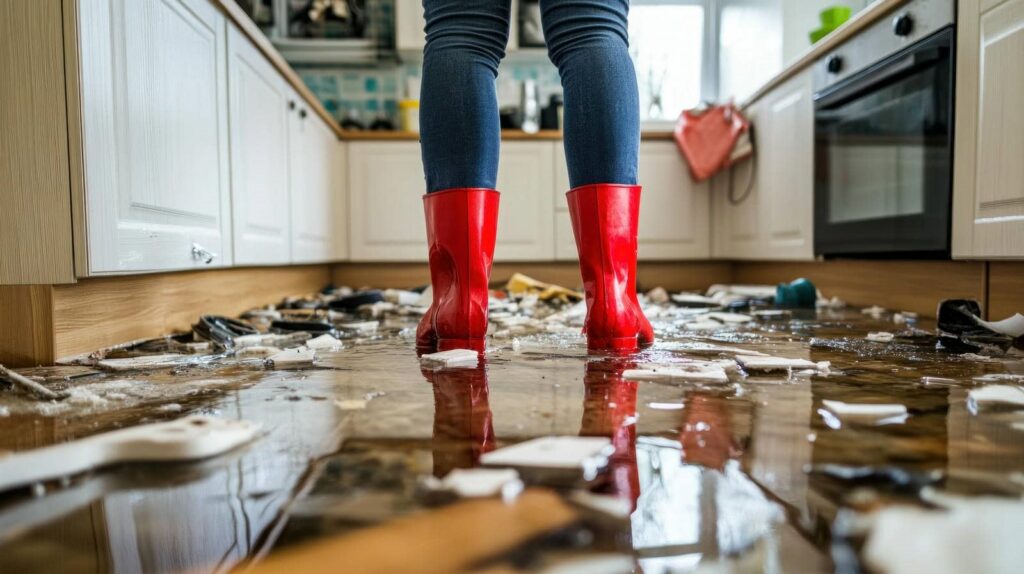
When evaluating water damage in your home, it’s vital to employ effective water damage assessment techniques that can reveal both visible and hidden issues. Start with a thorough visual inspection to identify any signs of leaks or deterioration. Next, consider using moisture meters to uncover hidden moisture levels that could be lurking in walls or floors. Finally, you’ll want to document any mold presence, which can indicate deeper moisture problems. Understanding these methods is fundamental for proper remediation.
Key Takeaways
- Conduct a thorough visual inspection for discoloration, peeling paint, and musty odors to identify potential water damage.
- Utilize moisture meters in high-risk areas to detect hidden moisture levels and assess the severity of water intrusion.
- Document any visible signs of mold or mildew, as they indicate prolonged moisture issues that need immediate attention.
- Regularly maintain plumbing and roofing to prevent leaks and water intrusion from occurring in the first place.
- Educate yourself on the importance of prompt assessment and remediation to mitigate potential water damage risks.
Introduction to Water Damage Assessment Techniques
How do you accurately assess water damage in a property?
Begin by identifying potential water sources, such as plumbing leaks, roof issues, or groundwater intrusion. You’ll want to trace these sources back to their origin to understand the extent of the problem.
Use moisture meters to evaluate hidden dampness in walls, floors, and ceilings, as this can reveal damage that’s not immediately visible.
Document any signs of mold or mildew, which signal prolonged exposure. This detailed analysis aids in damage prevention, allowing you to address issues before they escalate.
How to Use Visual Inspection for Water Damage?
While you might think that water damage is always obvious, a thorough visual inspection can reveal subtle signs that indicate underlying issues.
Start by creating an inspection checklist to guide your evaluation. Look for visual cues like discoloration on walls or ceilings, which may suggest leaks. Pay attention to peeling paint or warped materials, as these could point to moisture infiltration.
Inspect baseboards and flooring for any swelling or buckling, and check for musty odors that indicate hidden dampness. Don’t forget to examine plumbing fixtures and appliances for any signs of leakage.
Identifying Hidden Issues With Moisture Meters
Moisture meters are essential tools for accurately identifying hidden water damage issues within your property. By utilizing moisture detection technology, you can pinpoint elevated moisture levels that may indicate hidden leaks behind walls or under flooring.
When using a moisture meter, verify you measure in various locations, focusing on areas prone to water intrusion, such as near plumbing fixtures and windows. Pay attention to the readings; a sudden spike in moisture levels can signal a serious issue.
Additionally, consider using non-invasive meters, which allow you to assess moisture without causing damage. Regular monitoring not only helps identify hidden leaks early but also fosters a proactive approach to maintaining your home’s integrity and value.
Frequently Asked Questions
How Often Should I Perform a Water Damage Assessment in My Home?
You should perform regular inspections at least twice a year, ideally during seasonal checks. This proactive approach helps you identify potential issues early, ensuring your home remains safe and preventing costly repairs down the line.
What Are the Signs of Long-Term Water Damage to Watch For?
You should watch for mold growth, which indicates moisture issues, and check for any signs of compromised structural integrity, like warped walls or floors. These symptoms often signal long-term water damage that requires immediate attention.
Can I Handle Water Damage Assessment Myself or Hire a Professional?
You can handle a DIY assessment, but it’s often wise to hire professional services. They’ve got specialized tools and expertise, ensuring thorough evaluations that can prevent further damage and costly repairs down the line.
What Tools Do I Need for a Thorough Water Damage Assessment?
For an epic water damage assessment, grab a moisture meter and an infrared camera. These tools help you detect hidden moisture and temperature variations, ensuring you uncover every last drop lurking in your home.
How Does Insurance Cover Water Damage Assessment and Repairs?
Insurance typically covers water damage assessment and repairs if the cause is sudden and accidental. You’ll need to file insurance claims promptly, providing detailed documentation to guarantee you receive the maximum benefits for your losses.
Final Thoughts
Mastering these three water damage assessment techniques can empower you to protect your home from potential disasters. But beware overlooking even a minor detail during your visual inspection, neglecting to use moisture meters, or dismissing mold documentation could leave you vulnerable to hidden threats. As you refine your skills, remember that water damage can be deceptive, lurking silently until it’s too late. Stay vigilant, and make sure your home remains a safe haven for you and your family.