
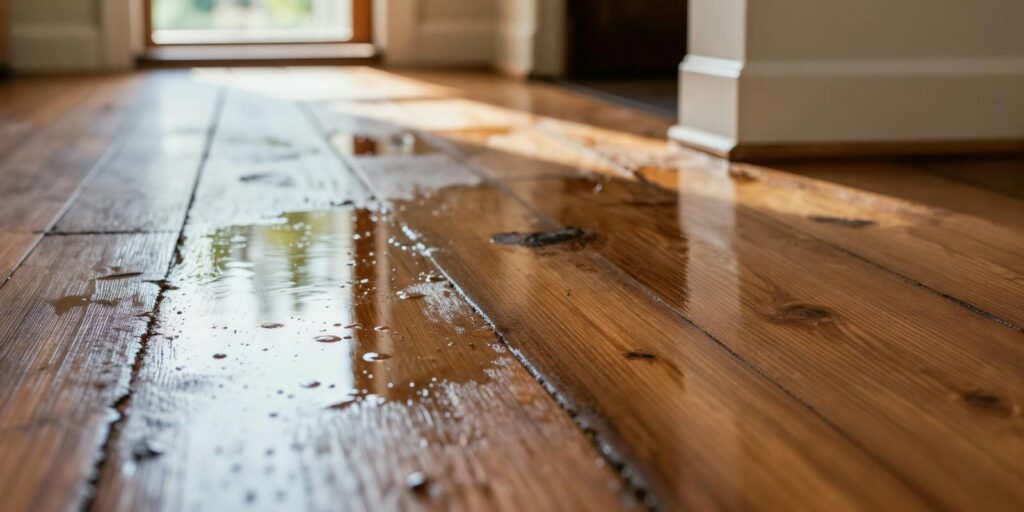
When dealing with flood damage, you need a systematic approach that prioritizes safety and efficiency. Understanding how flooding impacts your property is essential for effective flood cleanup. By evaluating the situation methodically, you can identify vulnerabilities and implement best practices for recovery. However, the initial steps you take can make all the difference in preventing further complications. What you do next will set the stage for a successful flood recovery plan.
Key Takeaways
- Prioritize safety by assessing hazards and using appropriate personal protective equipment (PPE) during cleanup efforts.
- Rapidly extract water using high-powered pumps and wet/dry vacuums to minimize damage.
- Thoroughly document all flood damage for insurance claims and future repairs.
- Implement mold prevention measures by drying areas within 24-48 hours and disinfecting surfaces.
- Develop a flood preparedness plan with evacuation routes and emergency contacts to enhance community resilience.
How Flooding Affects Your Property: Key Considerations
Flooding can devastate your property, leading to significant structural and financial repercussions. Understanding flood impacts is essential for homeowners like you.
Water intrusion can weaken foundations, warp wooden structures, and compromise electrical systems, resulting in costly property damage. Mold growth is another serious concern, thriving in damp conditions and posing health risks.
You might also face long-term depreciation in property value. Evaluating the extent of damage quickly and accurately is crucial for effective recovery and insurance claims.
It’s important to document everything, from water levels to affected areas. By being proactive and informed about these key considerations, you not only protect your investment but also guarantee a safer environment for your family and community.
Critical Safety Steps to Take Before Flood Cleanup
Before you plunge into flood cleanup, it’s essential to assess the situation carefully to guarantee your safety and the effectiveness of your recovery efforts.
Start by gathering your emergency kits, ensuring you have essential supplies like water, food, and first aid items readily available.
Check for any hazards, such as downed power lines or unstable structures, that could pose risks during cleanup.
Familiarize yourself with local evacuation routes in case you need to leave quickly.
Communicate with family members about your plan and coordinate with neighbors to support each other.
Taking these critical safety steps not only protects you but also strengthens your community, fostering a sense of belonging as you navigate the challenges of recovery together.
Step-by-Step Guide to Assessing Flood Damage
Before you assess flood damage, prioritize safety by ensuring the area is secure and free from hazards.
Next, carefully inspect the structural integrity of your home, looking for any signs of weakness or damage that could pose risks.
Finally, document all damage thoroughly, as this will be essential for insurance claims and future repairs.
Safety First Assessment
When evaluating flood damage, it’s essential to prioritize safety to prevent further harm. Start by wearing protective gear like boots and gloves to shield yourself from contaminants.
Next, assess the area for hazards such as unstable structures or electrical issues. If you notice standing water, avoid it—flood safety is paramount.
Use a flashlight to inspect dark areas, ensuring you don’t overlook potential dangers. Document the damage methodically; take photos and notes to aid in your damage assessment.
This organized approach not only keeps you safe but also helps in reporting to your insurance company. By taking these steps, you foster a sense of community support as you work towards recovery together.
Your well-being matters, so always put safety first.
Inspect Structural Integrity
Inspecting structural integrity after a flood requires a methodical approach to guarantee safety and identify potential hazards. Start with visual inspections, focusing on walls, ceilings, and foundations for cracks or distortions.
Next, perform structural assessments by checking beams and support columns for signs of weakening. Document any discrepancies, as these integrity evaluations are essential for understanding the extent of damage.
Pay attention to the condition of electrical systems and plumbing, as water can compromise them severely. If needed, consult professionals for thorough evaluations to ascertain your home’s safety.
Document Damage Thoroughly
To effectively document flood damage, start by creating a detailed inventory of affected areas and items. Focus on capturing specific details such as the extent of water exposure and the condition of each item.
Use a camera or smartphone to photograph damaged structures and belongings, ensuring you cover different angles for clarity. As part of your documenting processes, make notes about the timeline of the flooding and any actions taken. This information will be essential for a thorough damage assessment.
Organize your documentation systematically, perhaps by room or category, to facilitate easier review later. By being methodical in your approach, you not only support your recovery efforts but also strengthen your community ties as you seek assistance.
Quick Water Extraction Techniques
To effectively manage floodwaters, you need to employ high-powered pumps and wet/dry vacuums.
These tools allow for rapid extraction of water, minimizing damage to your property. Understanding their operation and placement can greatly enhance your water removal efficiency.
Utilize High-Powered Pumps
When heavy rains or rising waters flood your property, utilizing high-powered pumps can greatly expedite the extraction process, guaranteeing minimal damage.
These pumps are essential tools in an effective flood response, capable of removing large volumes of water in a short time. You’ll want to choose pumps with adequate horsepower and flow rates suited to your specific situation.
Positioning the pumps strategically allows for efficient water removal, targeting the areas most affected by flooding.
Also, make certain all electrical connections are safe to avoid hazards.
Employ Wet/Dry Vacuums
After utilizing high-powered pumps for initial water removal, employing wet/dry vacuums can further enhance the cleanup process, especially in areas where standing water remains.
These vacuums come in various types, such as portable models for tight spaces and larger, industrial-grade units for extensive flooding.
To maximize efficiency, use effective vacuuming techniques like starting from the farthest corner and working your way toward the exit. This guarantees you’re not walking through already vacuumed areas.
Additionally, consider using multiple passes to extract as much water as possible. Remember to clean or replace filters regularly during the process to maintain suction power.
How to Choose the Right Equipment for Flood Cleanup
How can you guarantee you have the right equipment for effective flood cleanup? By carefully considering your flood cleanup tools and following these equipment selection criteria:
Capacity: Choose tools that can handle the volume of water you’re dealing with.
Durability: Ascertain your equipment can withstand tough conditions and repeated use.
Mobility: Opt for lightweight tools that are easy to maneuver in flooded areas.
Versatility: Select equipment that can serve multiple purposes, saving time and effort.
Best Practices for Preventing Mold After Flooding
To effectively prevent mold growth following a flood, it’s essential to act quickly and methodically.
Begin by removing any standing water and drying out affected areas within 24-48 hours. Use dehumidifiers and fans to enhance air circulation, which helps lower humidity levels.
Make certain that you thoroughly clean and disinfect surfaces with mold-inhibiting solutions. Pay special attention to hidden spaces, like behind walls and under carpets, where moisture can linger.
Regularly inspect your home for leaks or damp areas that could foster mold growth.
Finally, consider applying mold-resistant paints and sealants in areas prone to moisture.
How to Safely Dispose of Contaminated Materials During Flood Cleanup
When dealing with contaminated materials during flood cleanup, it’s crucial to prioritize safety and proper disposal methods. Handling contaminated waste can be intimidating, but following these steps can help you navigate the process effectively:
Wear Protective Gear: Always use gloves, masks, and goggles to protect yourself from hazardous substances.
Seal Contaminated Waste: Place materials in sturdy, sealed bags or containers to prevent leakage and exposure.
Label Properly: Clearly label containers as “Contaminated Waste” to guarantee safe handling by others.
Follow Local Regulations: Research and adhere to local disposal methods for hazardous materials, as improper disposal can harm your community.
Taking these precautions not only safeguards your health but also fosters a sense of responsibility within your community during recovery.
When to Seek Professional Help for Flood Cleanup?
Flood cleanup can be an intimidating task, especially after dealing with contaminated materials. If you’ve experienced significant water damage, it’s essential to recognize when to seek professional help.
First, consider the extent of the damage; if it exceeds your ability to manage, don’t hesitate to call in experts. Professionals can efficiently handle hazardous materials, ensuring safety and compliance with regulations.
Additionally, if you’re unsure about your flood insurance coverage, consulting a specialist can clarify your options, potentially expediting your recovery timeline.
Creating a Flood Preparedness Plan for Future Prevention
As you prepare for potential flooding, establishing a thorough flood preparedness plan can greatly mitigate risks and enhance your safety.
Here’s how to create a meaningful plan that includes essential community resources and emergency contacts:
Identify evacuation routes: Know the quickest paths to safety, ensuring everyone in your community is aware.
Compile emergency contacts: Gather phone numbers for local authorities, emergency services, and nearby family members.
Create an inventory of supplies: Stock essential items such as water, food, medications, and first-aid kits for quick access.
Engage your community: Connect with neighbors, sharing plans and resources to foster a supportive network during emergencies.
Taking these steps not only prepares you but also strengthens community bonds, enhancing everyone’s safety.
Summary
Effective flood cleanup and prevention hinge on swift action and strategic planning. Did you know that homes without a proper flood preparedness plan are 50% more likely to suffer considerable damage? By prioritizing safety, utilizing the right equipment, and engaging your community, you can greatly mitigate flood impacts. Remember, it’s not just about recovery; it’s about creating a resilient environment that safeguards your property against future flooding events. Stay proactive, and you’ll be better prepared.