
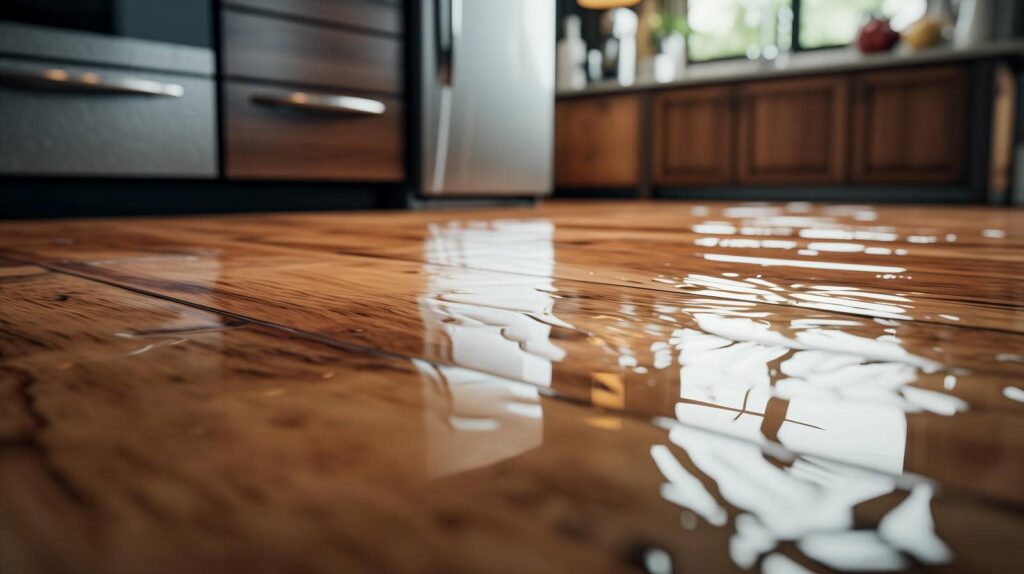
Flooding can bring devastation and a sense of urgency, yet a methodical approach is essential for effective cleanup. Before you begin, it’s vital to prioritize safety and assess the damage thoroughly. Your next steps will determine the outcome of the cleanup process. Knowing how to handle the situation can make all the difference in preventing further harm and ensuring a safe environment. What comes next could greatly impact your recovery.
Key Takeaways
- Document all damage thoroughly for insurance claims and connect with community resources for assistance.
- Wear protective gear including gloves, masks, and goggles to safeguard against health hazards.
- Remove waterlogged materials immediately to prevent further damage and mold growth.
- Use wet/dry vacuums and pumps for effective water removal, followed by thorough drying of affected areas.
- Seek professional help for extensive damage, mold growth, or electrical hazards to ensure safe and complete cleanup.
How to Safely Start Flood Cleanup After a Flood
When a flood recedes, the urgency to begin cleanup can be overwhelming, but it’s important to approach the process safely and methodically.
Start by evaluating the damage and document everything, as this will be vital for your flood insurance claim. Connect with local community resources; they often provide assistance for cleanup and recovery efforts.
Before you begin, gather necessary supplies like gloves, masks, and proper tools. Prioritize safety by turning off utilities and ensuring the structure is stable.
Removing waterlogged materials promptly can help mitigate further damage. Engage with your neighbors; sharing experiences and resources fosters a sense of community.
Safety Precautions Before Starting Cleanup
Before you begin the cleanup process, it’s vital to wear appropriate protective gear to shield yourself from contaminants.
Next, assess any electrical hazards to prevent potential shocks, and make certain that the structure of your property is stable enough to safely carry out the work.
Taking these precautions will help ensure your safety throughout the cleanup effort.
Wear Protective Gear
Protecting yourself is essential during flood cleanup, and wearing the right gear can greatly reduce your risk of injury or illness.
Start by donning protective clothing, such as waterproof boots, gloves, and long-sleeved shirts to shield against contaminants. A sturdy pair of goggles will protect your eyes from debris and potential hazards.
Additionally, consider using a mask, especially if you’re dealing with mold or dust. Safety equipment like hard hats may be necessary if there’s a risk of falling objects.
Prioritize your well-being by ensuring your gear fits properly and is in good condition. By equipping yourself with the right protective gear, you’re not just safeguarding your health; you’re also fostering a sense of community as you contribute to the cleanup effort.
Assess Electrical Hazards
As you prepare to tackle flood cleanup, evaluating electrical hazards is crucial to ensure your safety.
Start by identifying any electrical sources that may be compromised by water exposure. Look for frayed wires, submerged outlets, or appliances that have come into contact with floodwaters.
Before entering the area, confirm the main power supply is shut off to prevent electrical shock. Use a voltage tester to verify that no electricity is flowing.
Always wear rubber-soled boots and gloves as added protection.
Ensure Structural Stability
Ensuring structural stability is essential for your safety and the effectiveness of the cleanup process. Before diving into the cleanup, conduct a thorough foundation assessment.
Look for cracks, shifts, or any signs of compromise in the structure. If you notice any irregularities, consult with a professional to determine necessary structural repairs.
It’s vital to address these issues before proceeding, as a stable structure minimizes risks during cleanup and ensures your safety. Make certain everyone involved in the cleanup is aware of any potential hazards related to the building’s integrity.
By prioritizing structural stability, you’ll foster a safer environment for yourself and others while effectively managing the aftermath of the flood.
Assessing the Damage After a Flood
After a flood, you need to conduct a thorough visual inspection of your property to assess the extent of the damage.
It’s essential to document everything meticulously for insurance claims and future reference.
Additionally, identifying any potential health hazards will help ensure a safe environment as you begin the recovery process.
Visual Inspection Of Property
When evaluating the damage after a flood, conducting a thorough visual inspection of your property is vital for understanding the extent of the impact.
Start on the exterior, checking for structural damage, cracks, and erosion. Pay close attention to doors, windows, and the roof; these areas can reveal hidden issues.
Inside, examine walls, floors, and ceilings for signs of water intrusion and mold growth. This flood damage assessment is important for your property insurance evaluation, as it documents the damage you’ll need to report.
Don’t forget to check appliances and electrical systems, as they can be hazardous if affected.
Documenting Damage Thoroughly
As you begin the process of documenting damage after a flood, it’s crucial to capture every detail accurately to support your insurance claim and recovery efforts.
Start with a thorough damage assessment; take photographs of affected areas, including walls, floors, and personal belongings. Make detailed notes about the extent of the damage, noting the materials and items impacted.
If possible, create a video walkthrough to provide an all-encompassing view. Gather receipts and records of ownership for anything that’s been damaged or lost.
This documentation will be essential for your insurance claims, helping to ensure you receive the compensation you deserve. By being methodical and precise, you support your claim and lay the groundwork for a successful recovery.
Identifying Health Hazards
Floodwaters can introduce a range of health hazards that require immediate attention. As you assess the damage, be vigilant about identifying potential health risks.
Contamination sources often include sewage, chemicals, and mold, each presenting unique dangers. Make certain you wear protective gear while inspecting affected areas to minimize exposure.
Check for standing water, which can harbor bacteria and viruses. Look for signs of mold growth, as it can develop within 24-48 hours in damp conditions, posing respiratory risks.
Pay close attention to your surroundings, especially in basements and crawl spaces.
What Tools and Supplies Do You Need for Flood Cleanup?
To effectively tackle flood cleanup, you’ll need a range of tools and supplies that can help you restore your home and ensure safety.
Start with essential supplies like gloves, masks, and boots to protect yourself from contaminants. Flood cleanup tools such as wet/dry vacuums and pumps are vital for removing standing water quickly. Mops and buckets will aid in drying out surfaces, while disinfectants and mold-killing sprays help prevent health hazards.
Don’t forget to gather tools like shovels and squeegees for debris removal. Having a sturdy ladder on hand can also be beneficial for accessing hard-to-reach areas.
Organizing these flood cleanup tools will streamline your efforts and foster a sense of community as you work towards recovery.
Step-by-Step Water Removal Guide
Once you’ve gathered your tools and supplies for flood cleanup, it’s time to focus on removing the standing water.
Begin by evaluating the situation; if the water level is significant, consider professional water extraction methods like pumps or vacuums. For smaller areas, a wet/dry vacuum may suffice. Start from the highest point and work your way down to prevent further water pooling.
As you extract the water, keep your flood insurance considerations in mind—document everything for your claim. Take photos and keep receipts for any equipment rental.
Once you’ve removed the water, make sure the area is adequately ventilated to prevent mold growth. This methodical approach lays the groundwork for effective cleanup and restoration.
Effective Techniques for Cleaning and Sanitizing Flood-Affected Areas
Begin the cleaning and sanitizing process by evaluating the affected areas thoroughly. This initial assessment is vital for effective flood debris removal and helps identify areas needing urgent attention.
Use appropriate personal protective equipment (PPE) to ensure safety during cleanup.
Remove all flood-damaged materials promptly to prevent further contamination.
Implement effective sanitation techniques, like using disinfectants, to eliminate harmful pathogens.
Once you’ve cleared out the debris, focus on sanitizing surfaces and belongings. Pay attention to items that can’t be replaced, making sure they’re thoroughly cleaned.
How to Prevent Mold Growth After Flood Cleanup
As you complete the flood cleanup, it’s crucial to act swiftly to prevent mold growth, which can develop within 24 to 48 hours in damp environments.
Start by employing effective mold prevention strategies, such as thoroughly drying all affected areas. Use fans and dehumidifiers to enhance moisture control techniques, ensuring humidity levels stay below 60%.
Remove and discard any materials that can’t be adequately dried, like carpets or drywall. Seal any leaks in your home to prevent further water intrusion.
Regularly inspect your property for signs of moisture or mold. By staying proactive and maintaining a clean, dry environment, you’ll foster a healthier space for yourself and your loved ones.
Taking these steps will help you create a mold-free home.
When Should You Call in Professional Help?
When should you consider calling in professional help after a flood? Recognizing the signs needing expert intervention is vital for your safety and property preservation.
Here are a few indicators:
Extensive Water Damage: If the flooding is severe and affects structural integrity, it’s time to seek help.
Mold Growth: Spotting mold within 24-48 hours is a clear sign needing immediate professional remediation.
Electrical Hazards: Water exposure to electrical systems poses serious risks; professionals are equipped to handle these safely.
If you notice any of these signs, don’t hesitate to call.
Professionals have the expertise to ensure thorough cleanup, reducing further damage and health risks. Your well-being and home deserve the best care after such an event.
Frequently Asked Questions
How Long Does Flood Cleanup Typically Take?
Flood cleanup typically takes one to four weeks, depending on factors like the extent of damage, affected areas, and resources available. Understanding these cleanup duration factors helps you prepare and manage expectations effectively throughout the process.
Can I Use Regular Household Cleaners for Flood Cleanup?
While household cleaners might seem like a quick fix, they often fall short against flood damage. You’ll need specialized solutions to effectively tackle contaminants and prevent further issues. Prioritize safety and effectiveness in your cleanup.
What Should I Do if My Insurance Won’t Cover Flood Damage?
If your insurance won’t cover flood damage, explore flood insurance options. Conduct a thorough damage assessment to document losses, then consult local assistance programs or seek legal advice to understand your rights and potential compensation avenues.
Are There Any Health Risks After Flood Cleanup Is Completed?
After flood cleanup, you’re still at risk; some flood survivors face flood-related illnesses. Mold exposure risks can linger, so it’s essential to monitor your environment for any signs of contamination.
How Can I Prevent Future Flooding in My Home?
To prevent future flooding in your home, ensure your drainage systems are clear and functional. Install sump pumps in vulnerable areas, and regularly inspect these systems to maintain their efficiency and safeguard your property effectively.
Conclusion
As you stand amidst the remnants of your flooded space, the air thick with the scent of dampness, remember that thorough cleanup is your shield against future threats. By following these essential steps, you restore your home and reclaim your peace of mind. With each wiped surface and dried corner, you weave a barrier against mold and decay, ensuring your sanctuary remains resilient and safe. Don’t hesitate to seek professional help if the task feels overwhelming; your safety is paramount.