
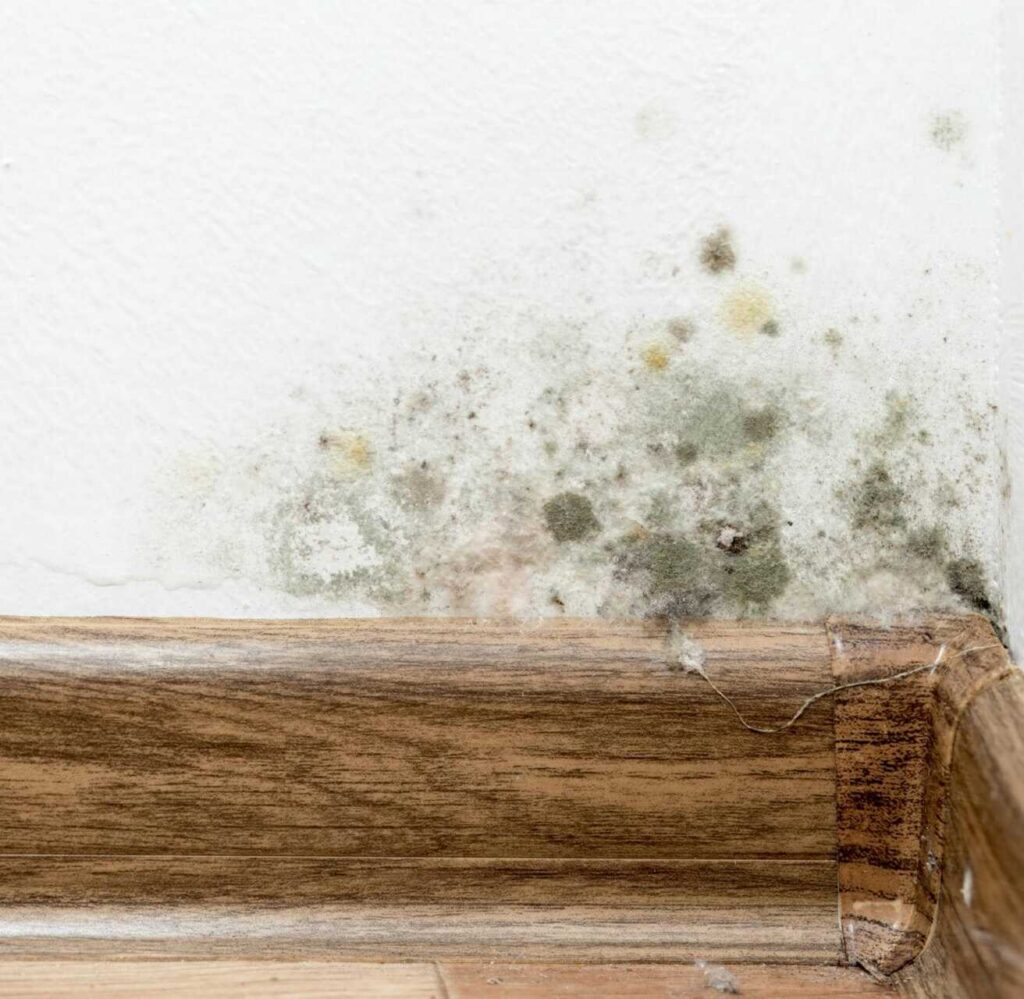
Have you ever wondered how a seemingly small patch of black mold can escalate into a serious health hazard? Mastering black mold removal is essential for maintaining a safe home environment. By recognizing the signs of infestation and implementing effective DIY techniques, you can tackle the issue before it spirals out of control. But what happens when the problem exceeds your expertise? Understanding the intricacies of mold removal can make all the difference.
Key Takeaways
- Identify black mold by checking for moisture, musty odors, and visible growth on surfaces in damp areas of your home.
- Use a vinegar and water mixture or hydrogen peroxide for effective DIY mold removal while wearing safety gear like goggles and masks.
- Contain the affected area with plastic sheeting and ensure proper ventilation to disperse airborne spores during the cleaning process.
- Monitor indoor humidity levels, keeping them between 30-50%, and install exhaust fans to prevent future mold growth.
- Seek professional help for extensive mold issues, persistent odors, or health symptoms that may indicate deeper problems requiring expertise.
Recognizing Black Mold Infestation Signs in Your Home
Have you ever wondered how to spot black mold in your home? Identifying this issue early can save you a lot of trouble.
First, look for signs of moisture, such as water stains on walls, ceilings, or floors. Check damp areas like bathrooms and basements, where mold thrives.
Use mold identification techniques, like sniffing for musty odors or visually inspecting surfaces for dark spots or fuzzy patches. Don’t forget to check behind furniture and in hidden corners.
If you notice a persistent smell or an unexplained increase in allergies among family members, it’s time to investigate further.
Trust your instincts; if something feels off, it probably is. Being proactive guarantees your home remains a safe, healthy space for everyone.
Effective DIY Techniques for Black Mold Removal
Once you’ve identified signs of black mold in your home, taking action quickly is vital.
Start by using natural mold solutions like a mixture of vinegar and water; simply spray it on the affected areas and scrub with a brush. For stubborn spots, consider using hydrogen peroxide, which effectively kills mold spores.
If the infestation is extensive, mold removal kits available at local hardware stores can provide specialized treatments that simplify the process. Always follow the instructions carefully to guarantee maximum effectiveness.
Remember to ventilate the area while working, as this helps disperse any lingering spores.
With these DIY techniques, you can reclaim your space and promote a healthier living environment for you and your loved ones.
Essential Safety Gear for Mold Removal
Before diving into mold removal, it’s vital to equip yourself with the right safety gear to protect your health.
Start with safety goggles to shield your eyes from mold spores and debris. Don’t forget protective gloves to prevent skin contact with harmful substances. A respirator mask is critical for filtering out airborne toxins, ensuring you breathe safely.
Wearing disposable coveralls keeps your clothing clean and offers an extra layer of protection. Mold-resistant footwear is a smart choice, as it prevents contamination on your shoes.
Set up ventilation fans to enhance air circulation, and use plastic sheeting to contain the mold area. Finally, keep a first aid kit handy in case of any accidents.
Prioritizing safety will help you tackle mold effectively.
Understanding Black Mold: Causes and Health Risks
Black mold, scientifically known as Stachybotrys chartarum, thrives in damp, dark environments and poses significant health risks to anyone exposed.
Understanding mold types is essential for you as a homeowner. Black mold can trigger respiratory issues, allergies, and even neurological symptoms in sensitive individuals.
To protect your family, implement prevention strategies like controlling humidity levels, fixing leaks promptly, and ensuring proper ventilation in areas like bathrooms and basements.
Regularly inspect your home for signs of moisture and mold growth. By being proactive, you not only safeguard your health but also create a safer, more welcoming environment for everyone.
When to Call in a Professional Mold Remediation Service?
If you notice extensive mold growth in your home, it’s time to contemplate calling a professional.
Health concerns like persistent coughing or allergic reactions can signal that the mold is affecting your well-being, and it’s vital to address these symptoms promptly.
Additionally, if you lack the proper equipment to handle the situation safely, seeking expert help is fundamental to guarantee thorough remediation.
Extensive Mold Infestation
When you discover extensive mold infestation in your home, it’s vital to assess the situation promptly. Ignoring it can lead to more significant issues down the line.
Here’s when you should call in a professional:
Visible Growth: If you notice patches larger than 10 square feet, it’s a sign that the problem is beyond a DIY fix.
Persistent Odor: A musty smell that lingers indicates deeper mold issues, often hidden behind walls or under floors.
Water Damage: If you’ve experienced a leak or flooding, employing mold identification techniques is important for effective mold growth prevention.
In these cases, professionals have the expertise and tools to handle extensive infestations safely and effectively, ensuring your home remains a healthy place for you and your loved ones.
Health Concerns and Symptoms
Health concerns related to mold exposure can range from mild to severe, and recognizing the symptoms is vital for your well-being.
You should be aware of a symptoms checklist that includes coughing, sneezing, skin irritation, or respiratory issues. If you or your loved ones experience these symptoms consistently, it’s important to act.
Following health guidelines can help you assess the situation; if symptoms persist or worsen, it’s time to call in a professional mold remediation service.
Don’t ignore potential health risks—your home should be a safe haven.
Remember, addressing mold issues early can prevent serious health complications and guarantee everyone in your household feels comfortable and secure.
Prioritize your health by staying informed and proactive.
Lack of Proper Equipment
Recognizing the health risks associated with mold exposure is just the first step; having the right equipment to tackle a mold problem is equally important.
If you’re lacking essential tools, it’s time to contemplate professional mold remediation services. Effective mold removal techniques often require specialized equipment that you may not own.
Here are three critical tools they typically use:
- HEPA Vacuums: These capture small mold spores that regular vacuums miss.
- Moisture Meters: They help identify hidden damp areas that need attention.
- Protective Gear: Professionals wear masks and suits to guarantee safety during removal.
If you lack these items, don’t hesitate to call in experts who can handle the job efficiently and safely.
Preventing Future Mold Growth: Practical Tips
Although mold can be a persistent problem, you can take proactive steps to confirm it doesn’t return after removal. Start by using mold-resistant materials in areas prone to moisture, like bathrooms and kitchens. These materials can considerably reduce the risk of mold growth.
Additionally, schedule regular inspections of your home, especially in damp areas such as basements and attics. Look for any signs of moisture or leaks, and address them immediately.
Guarantee proper ventilation throughout your home by using exhaust fans and opening windows when possible. Finally, maintain humidity levels below 60% by utilizing dehumidifiers.
Fixing Water Damage to Prevent Mold
To effectively prevent mold growth, addressing water damage promptly is vital. Start by implementing water leak detection methods to identify hidden leaks before they escalate.
Here’s how to fix water damage and control moisture:
Identify the Source: Inspect plumbing, roofs, and windows for leaks. Fix any issues immediately to prevent further damage.
Dry the Area: Use fans and dehumidifiers to dry out affected areas within 24-48 hours. This step is important for moisture control.
Repair and Restore: Replace damaged materials, such as drywall or insulation, and guarantee proper sealing to prevent future leaks.
Maintaining Air Quality to Deter Mold Growth
To keep mold at bay, you need to optimize your ventilation systems and control humidity levels in your space.
Regular air quality testing can help you identify potential issues before they escalate.
Optimize Ventilation Systems
Properly optimizing your ventilation systems is essential for maintaining air quality and deterring mold growth.
Good air circulation reduces moisture buildup, a key condition for mold. Here are three practical steps for effective ventilation maintenance:
Inspect and Clean Vents: Regularly check your vents and ducts for dust or debris. Clean them to guarantee unobstructed airflow.
Use Exhaust Fans: Install exhaust fans in high-moisture areas, like kitchens and bathrooms. They help expel humid air, keeping indoor humidity levels in check.
Open Windows: Whenever possible, open windows to promote fresh air exchange. This simple act can greatly enhance air quality throughout your home.
Control Humidity Levels
Controlling humidity levels in your home is essential for preventing mold growth, especially in damp areas. Aim to keep indoor humidity between 30-50%.
You can achieve this by using dehumidifier options that suit your space, whether it’s a portable unit for a small room or a whole-house dehumidifier for larger areas. Additionally, consider installing moisture barriers in basements or crawl spaces to reduce dampness from the ground.
Regularly inspect these barriers for any signs of wear. Simple practices, like using exhaust fans in kitchens and bathrooms and ensuring proper ventilation, can also help maintain ideal humidity.
Regular Air Quality Testing
While maintaining low humidity is essential, regular air quality testing is equally important in deterring mold growth.
By using air quality monitors, you can keep track of potential mold triggers in your home. Here’s how often you should test:
- Monthly: Conduct initial testing to establish a baseline for your indoor air quality.
- Seasonally: Test every three months to monitor changes due to varying weather conditions.
- After Major Events: Always test after flooding or leaks, as these situations can drastically affect air quality.
Regular testing helps you identify issues before they escalate, fostering a healthier environment for you and your loved ones.
Stay proactive in your approach, and you’ll greatly reduce your risk of mold growth.
What Homeowners Need to Know About Mold Laws?
What should homeowners understand about mold laws? First, you need to be aware of mold regulations in your area, as they can vary greatly.
Many states require landlords to disclose mold issues, ensuring tenants’ safety. As a homeowner, you have legal obligations to maintain a mold-free environment, especially if you’re selling your property.
Failing to address mold can lead to liability issues, resulting in costly lawsuits. It’s wise to document any mold remediation efforts to protect yourself legally.
Additionally, familiarize yourself with your local health department’s guidelines on mold to be proactive. By understanding these laws, you’re not just protecting your home; you’re also fostering a safe and healthy community for everyone.
Frequently Asked Questions
Can Black Mold Grow in Carpets and Upholstery?
Yes, black mold can grow in carpets and upholstery. To prevent this, use mold prevention techniques like controlling humidity and regular carpet cleaning methods, ensuring your home stays fresh and safe for you and your family.
How Long Does It Take to Remove Black Mold?
It can take anywhere from a few hours to several days to remove black mold, depending on the size of the affected area. Effective remediation strategies can greatly reduce the mold removal timeframe, ensuring your home’s safety.
Is Black Mold Removal Covered by Homeowners Insurance?
Yes, black mold removal can be covered by homeowners insurance, but it depends on your policy’s mold insurance provisions and coverage limits. Always check your specific policy to understand what’s included and any exclusions.
What Should I Do With Belongings Affected by Black Mold?
Think of your belongings like a garden; if they’re overrun by weeds, it’s time to prune. Use mold cleaning techniques for salvageable items, but dispose of those severely affected to protect your health and home.
How Can I Tell if Mold Is Safely Removed?
To guarantee mold’s safely removed, conduct mold testing after cleanup. Look for removal certification from professionals, confirming it’s gone. Visual inspection for discoloration and musty odors also helps verify thorough elimination. Trust your senses and the tests.
Recap
In your quest to conquer black mold, remember that vigilance is your sword and knowledge your shield. By recognizing signs early and employing effective removal techniques, you can reclaim your home’s health. Don’t hesitate to call in the pros if the task feels too challenging. With consistent maintenance and preventive measures, you can keep mold at bay, ensuring your sanctuary remains a safe haven. Now go forth, and let your home breathe easy!