
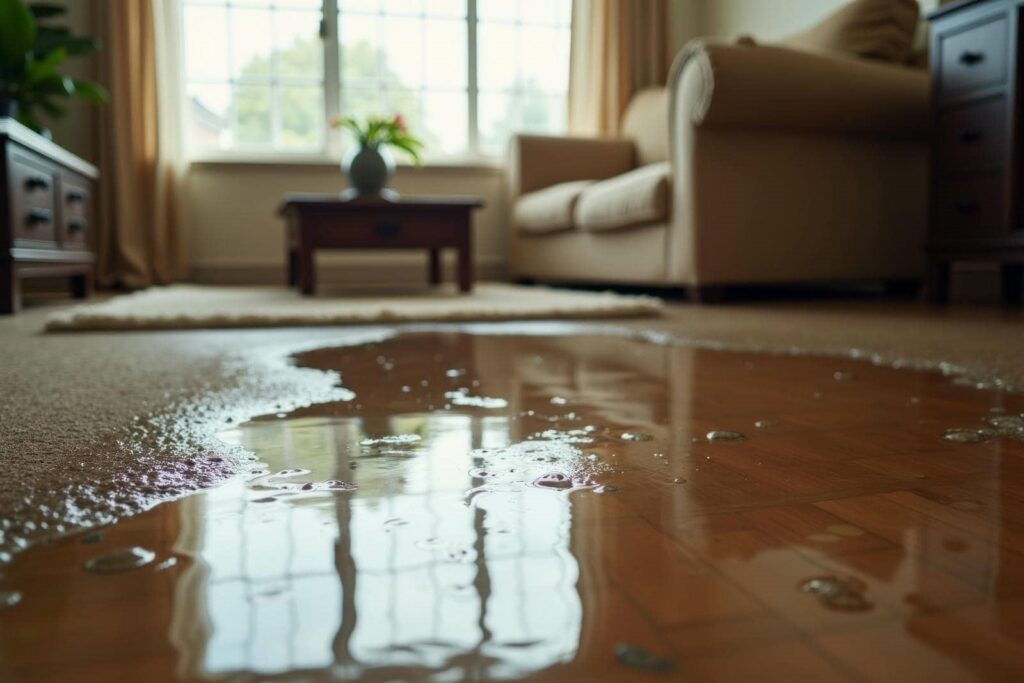
When dealing with water damage, effective home water extraction is essential to minimize loss and prevent mold growth. You’ll need the right tools, such as high-powered vacuums and dehumidifiers, to tackle standing water efficiently. It’s also important to monitor humidity levels throughout the process. Understanding the steps involved can make a significant difference in your home’s recovery. So, what are the best strategies and techniques to ensure thorough water extraction?
Key Takeaways
- Use a high-powered wet/dry vacuum for quick removal of standing water from floors and carpets.
- Employ water pumps for larger areas with significant water accumulation, ensuring efficient extraction.
- Utilize dehumidifiers to lower humidity levels and prevent mold growth after water extraction.
- Enhance air circulation with fans to promote faster drying of affected surfaces and areas.
- Monitor moisture levels with moisture meters to assess drying progress and ensure complete extraction.
Understanding Water Damage and Its Impact
When water infiltrates your home, it can cause significant damage that extends beyond mere aesthetics. Understanding the water types involved—clean, gray, and black—helps you gauge the severity of the situation. Each type presents unique risks and requires a tailored response.
Conducting a thorough damage assessment is essential; it enables you to identify affected areas such as walls, flooring, and personal belongings. Prompt evaluation minimizes structural damage and mitigates the risk of mold growth and health hazards.
Essential Tools for Effective Water Extraction
To effectively extract water from your home, you need the right tools for the job.
Each surface requires specific equipment to ensure thorough removal and prevent further damage.
Let’s explore the necessary tools and their applications for different surfaces.
Necessary Equipment Overview
Effective water extraction relies on a suite of essential tools designed to tackle moisture issues efficiently.
First, a high-powered wet/dry vacuum is essential for removing standing water quickly. You’ll also need dehumidifiers to reduce humidity levels, preventing mold growth.
Additionally, using specialized water extraction tools aligns with various water extraction methods, ensuring thorough moisture removal. Don’t forget about moisture meters to assess dampness and monitor progress.
Regular equipment maintenance is critical; check filters and hoses to maintain peak performance.
Finally, personal protective equipment, like gloves and masks, safeguards your safety during the extraction process.
Tools for Different Surfaces
Different surfaces require specific tools for efficient water extraction, as each material presents unique challenges.
For carpet extraction, a high-suction extractor is crucial to remove water effectively without damaging fibers.
Tile extraction often involves a combination of a mop and wet vacuum to tackle water pooling in grout lines.
Hardwood extraction requires a gentle approach; use a soft cloth and a specialized cleaner to prevent warping.
For concrete extraction, a powerful industrial wet/dry vacuum is your best bet.
When addressing upholstery extraction, opt for a portable extractor to navigate around furniture.
In basements, utilize sump pumps for flood extraction, while appliance extraction may require basic tools for disassembly.
Choosing the right tool for each surface ensures a successful extraction process.
Step-by-Step Guide to DIY Water Extraction
To effectively carry out DIY water extraction, you’ll need specific tools to ensure the process is efficient and safe.
This guide will outline the essential equipment, provide a clear step-by-step process, and highlight important safety precautions.
Essential Tools Required
While tackling water extraction in your home, having the right tools at your disposal is essential for achieving effective results.
Here’s a list of must-have tools to ensure you’re well-equipped for the job:
- Water Pumps: Invest in a reliable submersible or utility pump to efficiently remove standing water.
- Moisture Meters: These devices help you assess hidden moisture levels in walls and floors, ensuring thorough drying.
- Wet/Dry Vacuum: A powerful vacuum can assist in removing excess water from carpets and hard surfaces.
- Dehumidifiers: These will help eliminate lingering humidity and prevent mold growth after extraction.
With these tools, you’ll be better prepared to handle any water extraction challenge effectively.
Step-by-Step Process
Once you’ve gathered your tools, it’s time to put them to work.
Begin by evaluating the affected area and removing any furniture or obstacles. Next, choose your preferred water extraction methods—whether it’s a wet/dry vacuum or a pump. Start extracting water from the lowest points, working in sections to ensure thorough removal.
After extraction, use fans and dehumidifiers to dry out the space completely. Don’t forget to clean and disinfect the area to prevent mold growth.
Finally, assess your home flood prevention measures, confirming that gutters and drains are clear and functional. Following these steps can greatly mitigate damage and help you regain control of your living environment.
Safety Precautions Noted
Before starting any water extraction process, it’s crucial to prioritize safety. Ensuring you’re well-prepared protects both you and your home.
Here’s a quick checklist to follow:
- Wear safety gear: Use gloves, boots, and masks to protect against contaminants.
- Turn off electricity: Avoid electrical hazards by shutting off power in affected areas.
- Check for structural damage: Inspect the area for potential hazards like weak floors or falling debris.
- Have emergency contacts ready: Keep a list of local emergency services handy in case you need professional assistance.
DIY Water Extraction vs. When to Call the Pros
When faced with water damage, you might consider tackling the extraction yourself, but knowing when to call in professionals is vital for effective resolution.
DIY methods can be suitable for minor leaks or small spills, where you can use wet/dry vacuums and fans to dry affected areas.
However, if the water damage is extensive or involves contaminated water, professional assistance is critical. Experts have specialized equipment and expertise to handle mold prevention and structural damage, ensuring a thorough and safe extraction.
Additionally, they can identify underlying issues that may not be immediately visible.
Ultimately, weighing the severity of the situation will help you decide if you can manage it yourself or if it’s time to seek professional help.
Top 5 Strategies to Prevent Future Water Damage
Water damage can be a recurring issue, so implementing effective prevention strategies is key to safeguarding your home.
Here are the top five strategies you can adopt for water damage prevention and moisture control:
- Regular Inspections: Check your plumbing and roof for leaks or damage at least twice a year.
- Proper Drainage: Make sure gutters and downspouts direct water away from your foundation.
- Seal Cracks: Use caulk or sealant to close gaps in walls and windows, minimizing moisture entry.
- Humidity Control: Maintain indoor humidity levels below 60% using dehumidifiers, especially in basements.
Mold Prevention Techniques After Water Extraction
After extracting water from your home, taking immediate steps to prevent mold growth is crucial.
Start by thoroughly drying all affected areas within 24-48 hours. Use fans and dehumidifiers to enhance airflow and maintain humidity control, keeping levels below 60%.
Inspect hidden spaces like attics and basements, as mold can develop in these overlooked areas. Seal any cracks or openings to prevent moisture infiltration and ensure your home’s exterior is well-maintained.
Regularly check and replace air filters to improve indoor air quality and reduce spores. Additionally, consider using mold-resistant paints and materials in your renovation efforts.
Cost Breakdown of Water Extraction Solutions
Understanding the costs associated with water extraction solutions is essential for homeowners facing water damage. By conducting a thorough cost analysis, you can make informed decisions about the best pricing options.
Here’s a breakdown of typical expenses:
- Initial Assessment: $100 – $300 for a professional evaluation.
- Extraction Services: $500 – $2,000 depending on the severity of the damage.
- Drying Equipment Rental: $50 – $150 per day for dehumidifiers and fans.
- Repair and Restoration: $1,000 – $10,000 for structural repairs, if needed.
Frequently Asked Questions
How Can I Tell if Water Damage Is Hidden?
You can tell if water damage is hidden by looking for hidden signs like discoloration or peeling paint. Use moisture detection tools to identify damp areas behind walls or under floors that aren’t immediately visible.
What Are the Health Risks of Water Damage?
Water damage poses serious health risks, including mold growth that can trigger allergies and respiratory issues. It also compromises structural integrity, leading to costly repairs and potential safety hazards. Stay vigilant to protect your home and health.
How Long Does Water Extraction Usually Take?
Water extraction usually takes a few hours to a couple of days, depending on extraction timeframes and drying factors like humidity, materials, and airflow. You’ll want to monitor progress closely for ideal results.
Can I Use Regular Household Fans for Water Extraction?
Yes, you can use regular household fans for water extraction, but their effectiveness might be limited. For ideal drying techniques, consider using high-velocity fans, which can reduce drying time by up to 60%, ensuring better results.
What Insurance Coverage Is Available for Water Damage?
You’ve got options for water damage coverage. Your homeowners’ policy typically covers certain incidents, but for flooding, you’ll need flood insurance. Always review your policy to understand what’s included and stay protected against potential losses.
Summary
Mastering home water extraction techniques can save you time and money while protecting your property. By using the right tools and following the outlined steps, you can effectively manage water damage and prevent mold growth. But isn’t it worth the effort to safeguard your home from future flooding? With proactive measures and regular monitoring, you can ensure a safer, drier living environment for you and your family. Don’t wait—act now to protect your home.