
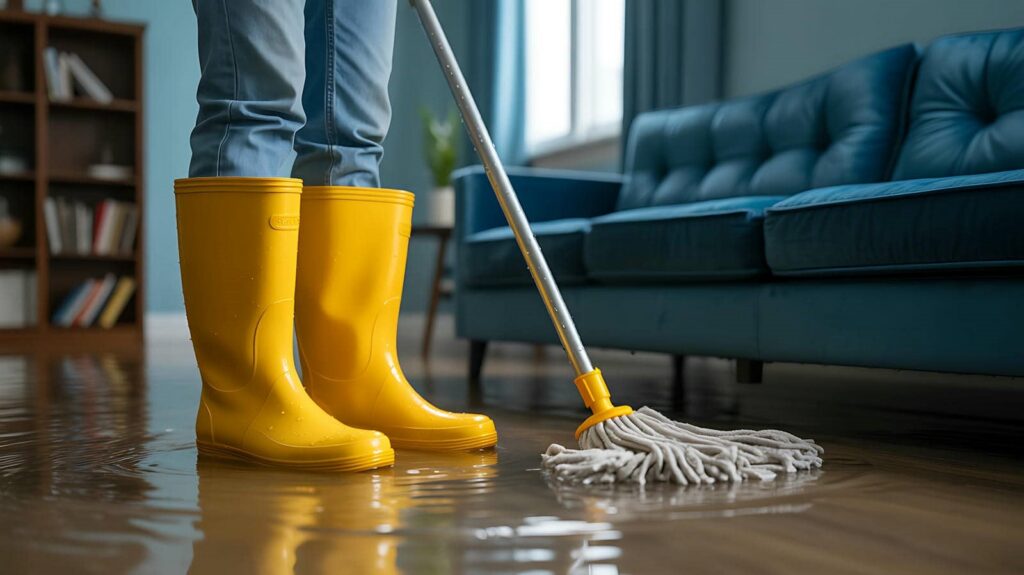
After a flood, it’s easy to feel overwhelmed by the chaos and damage. You need to act quickly to protect your home and health. Evaluating the situation and documenting the damage is just the beginning. Knowing the right steps to take can make a significant difference. As you navigate this challenging process, understanding effective post-flood cleanup methods is essential. What are the key actions you should prioritize to guarantee a thorough recovery?
Key Takeaways
- Gather emergency supplies and wear protective gear, such as gloves and masks, before starting cleanup.
- Document all damages with clear photos and a detailed inventory for insurance claims.
- Use appropriate water removal techniques, such as pumps or shop vacs, to extract standing water efficiently.
- Clean and disinfect contaminated surfaces with effective solutions, ensuring proper ventilation throughout the process.
- Monitor for mold growth by inspecting hidden areas and addressing moisture issues promptly.
What to Do Immediately After a Flood
As soon as the floodwaters recede, it’s essential to act swiftly to minimize damage and guarantee safety.
First, gather your emergency supplies, including gloves, masks, and sturdy footwear. These items protect you as you navigate the aftermath.
Before entering your home, take necessary safety precautions; check for hazards like downed power lines or structural damage.
Once you’ve assessed the area, ventilate your home by opening windows to reduce moisture levels and prevent mold growth.
Prioritize cleaning and salvaging important documents, as these often hold sentimental and legal value.
Remember, you’re not alone in this; connect with neighbors and local resources for support.
Together, you can rebuild and restore your community, fostering a sense of belonging during this challenging time.
Assessing the Damage: A Step-By-Step Guide
After a flood, it’s essential to assess the damage accurately to understand what needs attention.
Start with a thorough visual inspection of your property, looking for signs of structural issues or mold.
Documenting each finding effectively won’t only help with cleanup efforts but also support any claims you may need to file.
Visual Inspection Techniques
When conducting a visual inspection after a flood, your primary goal is to identify the extent of the damage to your property.
Start by using inspection tools like a flashlight to examine dark areas where moisture might linger. Look for visual cues such as discoloration on walls, warped floors, or rusted fixtures, as these indicate water damage.
Pay close attention to hidden spaces, like behind appliances and in corners, where mold may develop. Document your findings mentally, focusing on areas that seem most affected.
Documenting Damage Effectively
Documenting damage effectively is essential for maneuvering the recovery process after a flood. By creating a clear record, you can guarantee a smoother path toward restoration and compensation.
Here’s how to do it:
- Take Damage Photos: Capture clear images of all affected areas and items. Include wide shots and close-ups.
- Create a Damage Inventory: List each damaged item, noting its condition and estimated value.
- Date and Label: Confirm your photos and inventory are dated and labeled for easy reference.
- Share with Insurance: Submit your documentation to your insurance provider promptly to support your claim.
Documenting Flood Damage: Why It’s Critical
Documenting flood damage is essential for several reasons that can greatly impact your recovery process.
Accurate records are vital for meeting insurance claim requirements, maintaining historical records, and guiding the restoration process.
Insurance Claim Requirements
As you navigate the aftermath of a flood, documenting the damage becomes essential for a successful insurance claim. Understanding your insurance policy and the claim process can make a significant difference in your recovery.
Here are key steps to follow:
- Take Photos: Capture clear images of all affected areas and items.
- List Damages: Create a detailed inventory of damaged property, including descriptions and values.
- Gather Receipts: Collect any receipts for repairs or emergency expenses related to the flood.
- Contact Your Insurer: Notify your insurance company promptly to initiate the claim process.
Historical Record Keeping
While the immediate focus after a flood often centers on recovery, maintaining a historical record of the damage is essential for long-term resilience.
Documenting the extent of the destruction not only aids insurance claims but also plays a significant role in historical preservation. It’s important to capture photographs, keep receipts, and note the specific damages to your property.
This documentation serves as a valuable resource for future reference, helping you and your community understand the impact of flooding over time. By recognizing the documentation importance, you contribute to a collective narrative that fosters resilience.
Your records become part of a shared history, allowing others to learn from your experience and build a stronger, more prepared community together.
Restoration Process Documentation
When you face the intimidating task of restoring your home after a flood, keeping detailed records of the damage becomes essential for both recovery and future preparedness.
Documenting flood damage helps you navigate the restoration timeline and guarantees you’re properly compensated.
Use a documentation checklist to stay organized and focused:
- Photograph damage: Capture each affected area to provide visual evidence.
- List damaged items: Include furniture, appliances, and personal belongings.
- Record repair costs: Keep receipts and estimates from contractors for insurance claims.
- Track restoration progress: Note milestones to show the timeline of your recovery.
Effective Water Extraction Methods for Flood Damage
Effective water extraction is essential in mitigating flood damage, especially since lingering moisture can lead to mold growth and structural issues.
Start by evaluating the situation and choosing appropriate water removal techniques. Submersible pumps are often ideal for removing large volumes of water quickly, while shop vacs can help with smaller puddles.
When considering pump selection advice, think about the size of the affected area and the depth of the water. It’s important to act swiftly to prevent further damage and create a safe environment for you and your loved ones.
Best Practices for Flood Drying Your Space
After successfully extracting water, the next step is to dry out your space thoroughly to prevent mold and structural damage.
Effective flood drying techniques and moisture control methods are essential in this process. Here are some best practices you can follow:
- Ventilation: Open windows and doors to promote airflow and speed up drying.
- Dehumidifiers: Use dehumidifiers to remove excess moisture from the air, especially in enclosed spaces.
- Fans: Set up fans to circulate air and help evaporate water from surfaces.
- Heat: Increase the temperature in the area to aid in drying, as warmer air can hold more moisture.
Cleaning Contaminated Areas: Best Solutions
Cleaning contaminated areas after a flood is crucial to guarantee the safety and health of your environment. Start by identifying all contaminated surfaces, as these can harbor harmful pathogens.
Use effective disinfectants, such as bleach solutions or EPA-approved products, to thoroughly clean these areas. Remember to wear protective gear like gloves and masks to safeguard yourself during the process.
Pay special attention to porous materials, which may need replacement if heavily contaminated. After disinfecting, rinse surfaces with clean water to remove any residual chemicals.
It’s important to ensure proper ventilation while working and to dispose of any waste responsibly. By taking these steps, you’re not only protecting your home but also contributing to the well-being of your community.
How to Spot Mold and Keep It Away?
Mold can develop quickly after a flood, so it’s essential to identify symptoms early to protect your health.
Keep moisture levels in check by addressing leaks and using proper ventilation to prevent mold growth.
Additionally, using effective cleaning solutions can help eliminate any existing mold and keep your space safe.
Identify Mold Symptoms Early
How can you quickly identify mold symptoms in your home?
Recognizing early mold symptoms is essential for maintaining a healthy living environment. Here are some effective mold identification techniques to help you spot problems early:
- Visual Inspection: Look for dark spots or discoloration on walls, ceilings, and floors.
- Musty Odor: Notice any persistent damp or musty smells, which often indicate hidden mold.
- Health Symptoms: Be aware of unexplained respiratory issues, allergies, or skin irritations among household members.
- Water Damage: Check for signs of past leaks or water damage, as these areas are prime spots for mold growth.
Prevent Moisture Accumulation
After spotting early mold symptoms, it’s crucial to take proactive steps to prevent moisture accumulation, as this is a key factor in mold growth.
Start by installing moisture barriers in vulnerable areas like basements and crawl spaces. These barriers can greatly reduce the amount of moisture that seeps through walls and floors.
Additionally, focus on humidity control; aim to keep indoor humidity levels below 60%. Using dehumidifiers can help achieve this, especially in damp environments.
Regularly check for leaks in plumbing and seal any gaps around windows and doors.
Use Effective Cleaning Solutions
When you tackle mold removal, using effective cleaning solutions is essential for both spotting existing mold and preventing future outbreaks. Eco-friendly cleaners can be your best allies in this process, providing safe and effective options for your home.
Here are some key solutions to take into account:
- Vinegar: A natural disinfectant that can kill many mold species.
- Baking Soda: It absorbs moisture and helps eliminate mold odors.
- Hydrogen Peroxide: A powerful disinfectant option that’s safe for most surfaces.
- Tea Tree Oil: A natural antifungal that can help keep mold at bay.
Salvaging Belongings: What Can Be Saved?
Although the devastation of a flood can feel overwhelming, many belongings can still be salvaged with the right approach. Start by evaluating your items carefully; prioritize sentimental items like photographs and keepsakes, as these often hold irreplaceable value.
For furniture, consider furniture restoration techniques to revive pieces that may seem beyond repair. Clean, dry, and disinfect items as soon as possible to prevent mold growth.
Textiles such as clothing and linens can often be washed, while wooden furniture may require refinishing. Keep in mind that not everything can be saved, and it’s okay to let go of damaged possessions.
Focus on what you can restore, allowing you to reclaim a sense of normalcy amidst the chaos.
When to Hire Professionals for Flood Recovery
How do you know when it’s time to call in the experts for flood recovery? Recognizing the signs can save you time and stress.
Consider hiring professionals for flood restoration if:
- You’re dealing with extensive water damage that affects structural integrity.
- You notice mold growth or musty odors, indicating hidden moisture.
- Your belongings and furniture have sustained significant damage or are contaminated.
- You’re overwhelmed by the cleanup process and emergency services are needed for safety.
Professional help not only guarantees thorough recovery but also provides peace of mind.
Flood recovery can be intimidating, but you don’t have to face it alone. Lean on experts to restore your home and get back to a sense of normalcy.
Effective Flood Prevention Strategies
To effectively reduce the risk of flooding in your home, it’s vital to implement proactive strategies that address both immediate and long-term vulnerabilities.
Start by evaluating your property’s drainage systems. Confirm they’re clear and functioning properly to handle heavy rainfall.
Installing flood barriers can provide an extra layer of protection, preventing water from entering your home during severe storms.
Additionally, consider landscaping changes that redirect water away from your foundation, like sloping your yard or adding rain gardens.
Regular maintenance of gutters and downspouts is essential, too.
By taking these steps, you’re not only safeguarding your home but also fostering a sense of community resilience.
Together, we can create safer environments for everyone.
Frequently Asked Questions
How Long Does It Take for a Home to Dry After Flooding?
It typically takes several days to weeks for your home to dry after flooding. Utilizing drying techniques and monitoring moisture measurement can greatly speed up the process, ensuring your space returns to normal quickly and safely.
What Personal Protective Equipment Should I Wear While Cleaning?
You’ll need durable gloves for protection and a well-fitting mask to guard against dust and mold. Choosing the right gear is essential—your safety matters while you tackle the challenging cleanup ahead. Don’t underestimate it!
Can I Use Regular Household Cleaners for Flood Cleanup?
You can use some regular household cleaners for minor flood damage, but avoid harsh chemicals. Look for effective cleaning agents specifically designed for flood cleanup to guarantee thorough sanitation and safety in your environment.
Is It Safe to Return Home Immediately After a Flood?
Returning home immediately after a flood isn’t safe; think of it like stepping into a lion’s den. Conduct a flood damage assessment, and prioritize safety precautions to protect yourself and your loved ones from hidden dangers.
How Can I Prevent Future Flooding in My Area?
To prevent future flooding, improve drainage systems and install flood barriers in vulnerable areas. Working with local authorities and community members, you can create a collective effort that fosters safety and promotes resilience in your neighborhood.
To Sum Up
In the aftermath of a flood, your proactive steps can mean the difference between recovery and lasting damage. By evaluating, documenting, and cleaning diligently, you’re not just restoring your space you’re reclaiming your peace of mind. Remember, every action you take today is a shield against tomorrow’s mold and decay. Don’t hesitate to seek professional help if the situation overwhelms you. After all, a safe, healthy home isn’t just a place; it’s a sanctuary for you and your loved ones.