
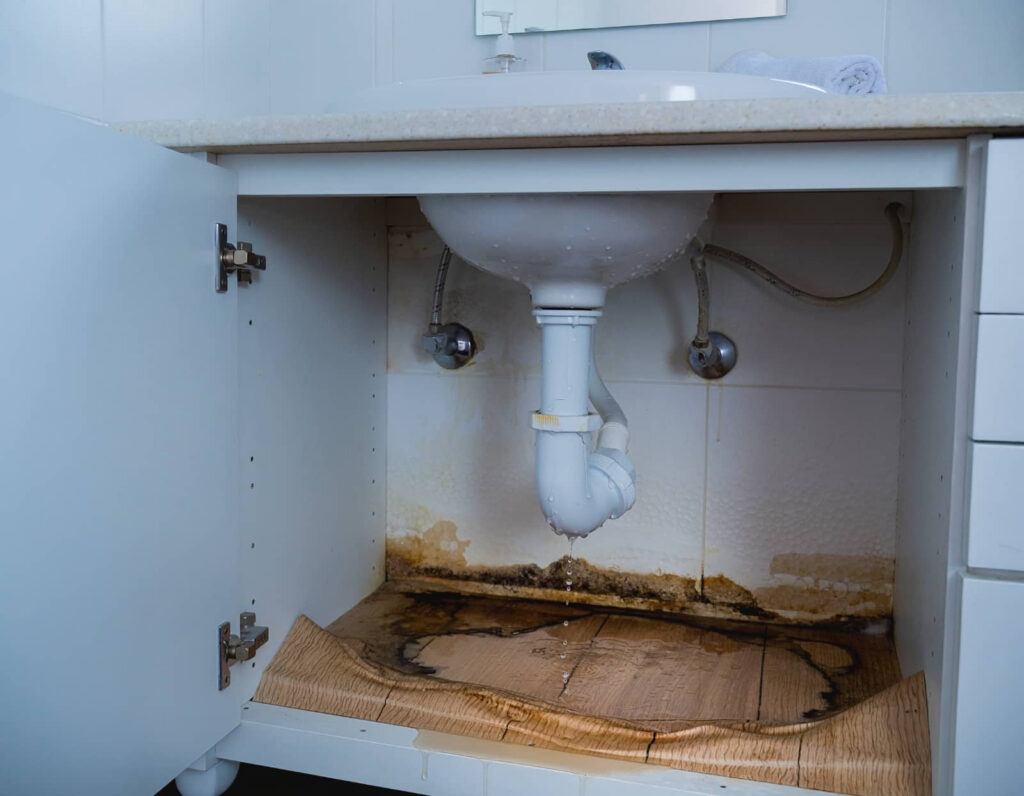
A burst pipe can turn a dry room into a wet problem fast. Burst Pipe Cleanup should start by shutting off the water right away, then drying the affected area before mold gets a foothold. Remove soaked materials, use fans or a dehumidifier to improve airflow, and check walls, floors, and hidden spaces for trapped moisture. If you notice discoloration, odors, or widespread damage, knowing when to bring in a professional can help prevent the problem from getting worse.
Key Takeaways
- Shut off the main water valve immediately to stop flooding and protect the rest of the home.
- Remove wet materials, use fans and dehumidifiers, and dry the area fast to prevent mold growth.
- Open walls, baseboards, and hidden spaces so moisture trapped in framing and subfloors can fully dry.
- Watch for musty odors, staining, or soft drywall, which can signal hidden mold and require testing.
- Call a professional cleanup team if damage is extensive or materials stayed wet for more than 24 to 48 hours.
Stop the Water Fast After a Burst Pipe
If a pipe bursts, you need to shut off the water immediately to limit flooding and reduce damage. Go straight to your main water shutoff valve and turn it clockwise until it stops.
If you can’t find it, check the meter area, utility closet, or basement before water spreads. Tell everyone in the home what’s happening so they don’t use taps or appliances.
If the leak started near a fixture, you can also close that fixture’s local valve. Keep an emergency kit nearby with gloves, towels, a flashlight, and the plumber’s number.
Once the flow stops, inspect the area safely and stay alert for sudden pressure changes. Acting fast helps your crew protect the space and keeps cleanup manageable.
Prevent Mold After a Burst Pipe
Dry the area as quickly as possible to stop mold from taking hold after a burst pipe. You need immediate moisture control: remove wet materials, wring out fabrics, and run fans plus dehumidifiers to lower humidity fast.
Open windows if outdoor air is dry, but keep cool, damp air out. Inspect baseboards, trim, and any porous items for lingering moisture, because mold prevention depends on finding every wet spot early.
Clean hard surfaces with detergent and water, then dry them fully. Bag and discard items that stay saturated and can’t be cleaned safely.
Stay alert for musty odors or discoloration, and keep checking the room for several days. Quick, consistent action helps your home recover and keeps your crew or family safe.
Dry Out Walls, Floors, and Hidden Spaces
Once you’ve stopped the leak, pull moisture out of walls, floors, and hidden spaces right away to limit structural damage and mold growth.
Open baseboards, remove wet carpet, and expose trapped cavities so air can move freely. Use moisture detection tools to map damp areas, then place air movers and dehumidifiers where they’ll work fastest.
If wall cavities stay saturated, cut access points and support insulation removal where needed so you can dry framing, sheathing, and subfloors completely.
Check behind cabinets, under stairs, and inside soffits, because these spots hold water longer than open rooms.
Keep temperature steady, empty dehumidifiers often, and verify drying progress daily. You’ll protect your home and work like a crew that knows the drill.
Know When Mold Testing Is Necessary
Even after you’ve dried walls, floors, and hidden cavities, you may still need mold testing if water sat long enough to raise contamination risk.
You should test when you smell musty odors, see staining, or notice soft drywall, swollen trim, or repeated dampness. Testing helps you confirm hidden mold growth and measure whether spores spread beyond the wet area.
It’s especially useful if anyone in your home has asthma, allergies, or other health risks, because exposure can worsen symptoms fast.
Use a qualified inspector who can sample air or surfaces and explain results clearly. You’ll make better cleanup decisions when you know the facts, and you’ll feel more confident protecting your space, your people, and your peace of mind.
When to Call a Mold Cleanup Pro
Call a mold cleanup pro when the water damage is extensive, hidden, or left untreated long enough for growth to start. You should also call one if you smell a musty odor, see staining behind walls, or find soft drywall and warped trim.
These signs point to active mold growth that can spread beyond the visible area. A trained team uses moisture meters, containment, HEPA filtration, and antimicrobial treatment to limit contamination and reduce health risks.
If you’ve already cleaned surface water but the materials stayed wet for more than 24 to 48 hours, you’re past a simple DIY job. Bring in a pro fast so your home stays safe, your cleanup stays complete, and your household can get back to normal with confidence.
Frequently Asked Questions
What Personal Safety Gear Should I Wear During Burst Pipe Cleanup?
Wear safety goggles, waterproof gloves, rubber boots, and a mask if mold’s possible. You’ll protect your eyes, hands, and skin while you remove water, debris, and contaminated materials safely.
How Do I Document Burst Pipe Damage for Insurance Claims?
Start with a bird’s-eye view: photograph everything before cleanup. You’ll need insurance documentation, including timestamps, receipts, and a written damage assessment. Keep a room-by-room log, save samples, and back up files so you’re covered.
Can I Salvage Electronics Exposed to Burst Pipe Water?
Yes, you can sometimes salvage electronics after water damage if you disconnect power, dry them fast, and avoid turning them on. For electronic recovery, clean corrosion, inspect boards, and get a pro evaluation.
How Should I Handle Contaminated Water From a Burst Pipe?
Treat contaminated water like a hidden hazard: you’ll isolate the area, wear gloves and boots, stop spread, and follow cleanup procedures for water contamination. You’ll discard porous materials, disinfect hard surfaces, and dry everything fast.
What Supplies Should I Keep Ready for Future Pipe Bursts?
Keep an emergency kit with pipe repair tape, pipe clamps, a wrench, buckets, absorbent towels, a wet/dry vacuum, gloves, plastic sheeting, and flashlights. You’ll act fast, protect your home, and stay ready together.
Review
After a burst pipe, you’ve got to move fast. Stop the water, strip out soaked materials, and start strong drying to stunt mold growth. Check walls, floors, and hidden spaces for trapped moisture, then clean surfaces with detergent. If you spot staining, musty smells, or widespread damage, don’t wait—call a mold cleanup pro. Quick, careful action keeps cleanup costs down and helps you protect your home from bigger problems.