
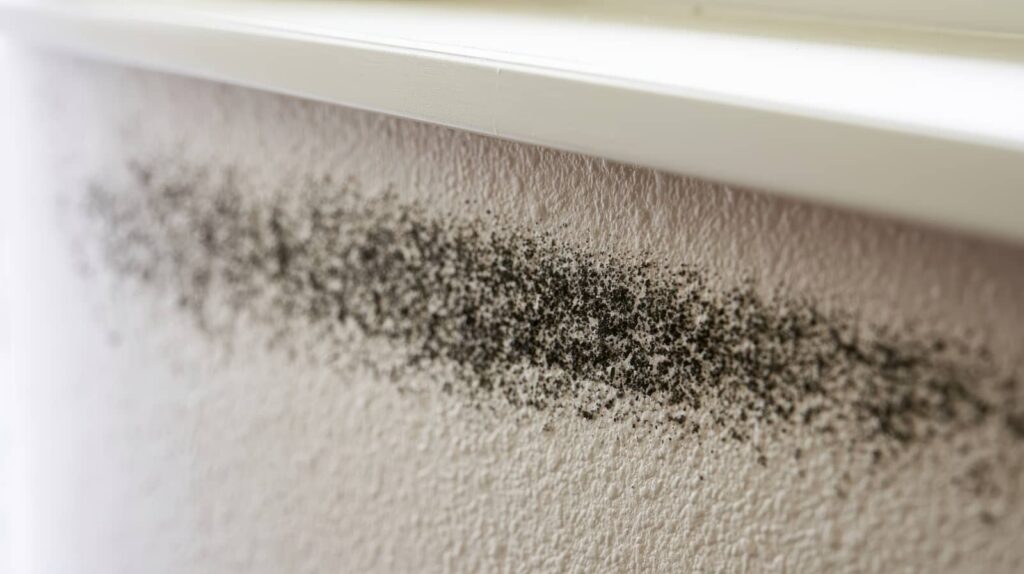
After a storm, you need to act fast, because mold can start within 24 to 48 hours. Storm-Damage Mold Remediation begins by documenting damage, stopping water from spreading, and removing wet materials before hidden growth takes hold. Then you’ll inspect walls and floors, remove contaminated contents, dry the structure, and verify air quality before reoccupying the space. The first mistake often happens before you even notice it.
Key Takeaways
- Act within 24 to 48 hours to document damage, notify your insurer, and begin restoration planning.
- Wear gloves, boots, and a respirator, and keep people out of visibly contaminated flood-damaged areas.
- Stop water spread by shutting off compromised plumbing, removing standing water, and isolating affected rooms.
- Inspect hidden mold in walls, floors, and trim using a flashlight, moisture meter, and musty-odor checks.
- Remove contaminated porous materials, dry hard surfaces thoroughly, and verify air quality and humidity after cleanup.
Act Fast After Storm Flooding
After storm flooding, you need to act immediately because moisture can begin supporting mold growth within 24 to 48 hours. You should document affected areas, then contact qualified restoration support and your insurer at once.
If you’ve built emergency preparedness into your plan, you’ll move faster, protect your household, and reduce uncertainty. Wear gloves, boots, and a respirator rated for particulate exposure when you inspect damp rooms.
Remove wet fabrics, paper goods, and porous items that you can’t sanitize safely. Open windows only if outdoor conditions are dry. Keep everyone out of visibly contaminated spaces.
Quick decisions now strengthen mold prevention and help your team stay coordinated. You’re not alone in this response; prompt, disciplined action gives your home the best chance of recovery.
Stop Water Spread and Further Damage
Once you’ve documented the damage and alerted the right people, your next priority is to stop water from moving through the structure. You should shut off the main supply if plumbing is compromised, then isolate affected rooms with water barriers such as plastic sheeting and taped seams.
Move portable belongings to dry areas, and elevate anything that can’t be relocated. Use towels, squeegees, and wet vacuums to remove standing water before it migrates under trim or across floors. Keep doors closed where practical to limit airflow that can spread humidity.
Run dehumidifiers and fans only when power is safe, supporting moisture control without driving contamination. When your team acts quickly and methodically, you protect the building envelope, reduce secondary damage, and create better conditions for remediation.
Check for Hidden Mold in Walls and Floors
Even when surface water is gone, hidden mold can still develop inside wall cavities, under flooring, and behind baseboards where moisture lingers. You should inspect these areas with disciplined mold detection, using a flashlight, moisture meter, and your sense of odor or staining.
Perform a careful moisture assessment along drywall seams, trim joints, subfloor edges, and any swollen or warped material. If you notice soft spots, discoloration, or a persistent musty smell, mark the location and compare adjacent surfaces for spread.
You’ll protect your home faster when you document findings and prioritize suspect zones before they expand. In storm recovery, your crew matters: when you check thoroughly, you reduce uncertainty and make the next remediation steps more effective for everyone involved.
Remove Contaminated Materials and Dry Thoroughly
Remove any materials that hold moisture or show contamination, because porous items can keep feeding mold growth long after surface water recedes.
You should bag and remove drywall, insulation, carpet, and other unsalvageable debris using controlled mold removal techniques. Handle each piece carefully to limit spread, and seal it promptly for contaminated material disposal according to local rules.
Next, strip off wet baseboards, trim, and padding that can’t dry fast enough. Then clean hard surfaces with detergent, rinse, and dry them completely with airflow and dehumidification.
Keep the work area organized so you and your crew can see progress and avoid rewetting. If materials still feel damp after drying, treat them as compromised and remove them again.
Check Air Quality Before Moving Back In
After cleanup and drying, you need to verify that the indoor air is safe before you move back in.
Arrange professional air quality testing to check for airborne mold spores, volatile odors, and lingering contaminants that can signal hidden moisture.
Compare indoor and outdoor readings, and confirm that indoor humidity stays below 50 percent so mold can’t rebound.
If tests show elevated levels, keep the building vacant, correct the source, and retest until results meet accepted standards.
Use calibrated instruments and documented sampling to protect your household and support a clean, stable recovery.
When you return, monitor air conditions daily for the first week.
That diligence helps you rejoin your space with confidence, knowing it’s truly ready for safe occupancy.
Frequently Asked Questions
How Long Does Mold Take to Grow After a Storm?
Mold can begin growing within 24 to 48 hours after a storm, especially in damp, warm spaces. Your mold growth timeline speeds up when storm aftermath conditions leave materials wet, poorly ventilated, and untreated.
Can I Clean Storm Mold With Household Bleach?
No, you shouldn’t rely on household bleach for storm mold; its bleach effectiveness is limited on porous materials. You’ll get better results using proper mold cleaning techniques, protective gear, drying, and removal of contaminated material.
Do I Need Professional Help for Small Mold Patches?
You usually don’t need professional help for small mold patches if you identify the mold correctly and use DIY remediation techniques; however, call a pro if it returns, spreads, or affects porous materials.
What Health Symptoms Can Mold Exposure Cause?
You can develop mold allergies, respiratory issues, skin irritations, and cognitive effects; long term exposure may worsen fatigue, headaches, and asthma. You’ll protect yourself by recognizing symptoms early and seeking evaluation promptly.
Will Insurance Cover Storm-Related Mold Remediation?
You may get coverage if your insurance policies include sudden storm damage, but exclusions often apply to mold. You’ll need prompt documentation, and your coverage limits usually determine how much remediation gets paid.
Review
After storm flooding, you need to act fast: document damage, remove wet materials, and stop water spread before mold takes hold. Then check hidden walls and floors with moisture meters, remove contaminated materials, and dry every surface thoroughly. One gallon of water can saturate a surprising amount of building material, creating a hidden mold reservoir in hours. Before you move back in, verify air quality and keep indoor humidity below 60%.