
You’d think that simply drying out wet materials would be a straightforward task, but it’s far from it. A methodical approach is crucial to ensure complete remediation and prevent lingering issues like mold growth. By evaluating moisture levels accurately and employing the right tools, you can effectively tackle the problem. Understanding the intricacies of this process is essential, and knowing what comes next can make all the difference in achieving lasting results.
Key Takeaways
- Assess moisture levels using moisture meters to identify affected materials for targeted remediation.
- Remove standing water with extraction pumps to facilitate efficient drying of wet materials.
- Utilize dehumidifiers and air movers to enhance moisture removal and ensure proper air circulation.
- Clean and disinfect surfaces that have been affected by water to prevent mold growth.
- Implement routine inspections and monitoring to detect moisture issues early and prevent further damage.
Why Structural Drying Matters After Water Damage
Water damage can lead to significant structural issues if not addressed promptly, making structural drying an essential step in remediation.
Conducting an impact assessment is vital in identifying affected areas and determining the extent of the water damage. You need to evaluate materials, such as drywall, wood, and insulation, as their integrity can be compromised by prolonged moisture exposure.
By implementing structural drying techniques, you’re preventing further deterioration and safeguarding the overall health of your environment. This process often involves specialized equipment, such as dehumidifiers and air movers, to expedite moisture removal.
Essential Techniques for Water Damage Dehumidification
When faced with water damage, it’s crucial to implement effective dehumidification techniques to restore your environment.
Start by evaluating the affected area and identifying moisture sources. Utilize powerful dehumidification methods, such as refrigerant and desiccant dehumidifiers, to extract moisture efficiently.
Ensure proper air circulation by strategically placing fans and opening windows when conditions allow. Monitor humidity levels regularly with hygrometers to maintain ideal moisture control, ideally between 30% and 60%.
Additionally, consider using moisture meters to check various materials, ensuring thorough drying.
Remember, timely intervention will prevent further damage and mold growth, creating a safe, welcoming space for you and your loved ones.
Implementing these techniques will foster a sense of belonging and security in your home.
Tools for Successful Water Removal in Remediation
Successful water removal in remediation relies on a range of specialized tools designed to tackle various aspects of water damage.
To effectively manage moisture, you’ll need to utilize the following essential tools:
Moisture Meters: These devices help you assess the moisture levels in materials, ensuring that you’re targeting the right areas for extraction and drying.
Extraction Pumps: Important for removing standing water, these pumps come in different capacities, allowing you to choose one suited to your specific needs.
Dehumidifiers: While not directly for water removal, they play a significant role in drying out materials after extraction, preventing further damage.
Utilizing these tools effectively ensures a thorough remediation process, fostering a sense of security and belonging in your efforts to restore affected spaces.
Mold Remediation Techniques for Wet Materials
After effectively removing excess water and addressing moisture levels, the focus shifts to mold remediation for wet materials.
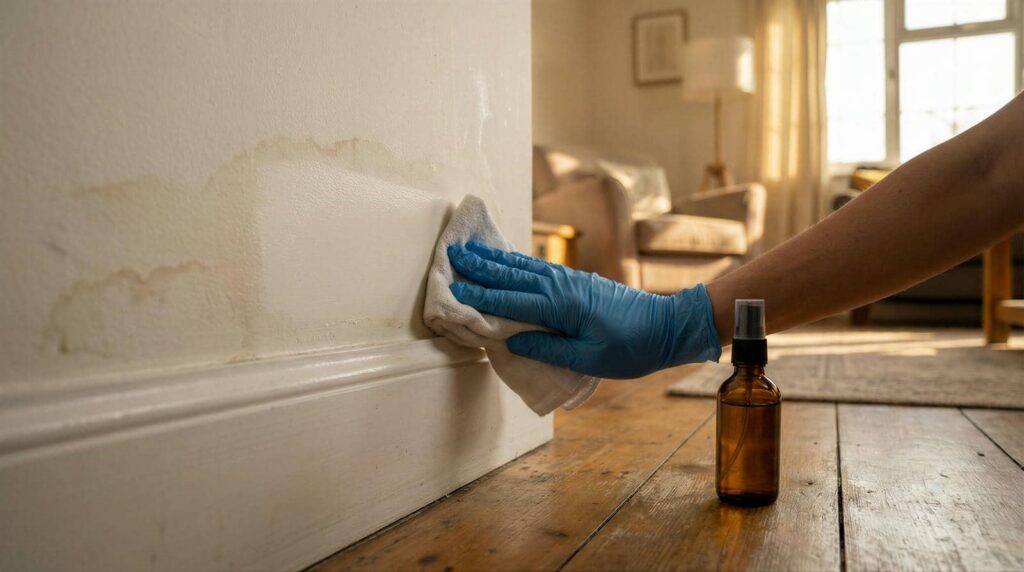
Start by identifying mold growth indicators, such as discoloration or musty odors. Remove affected materials, ensuring you’re wearing appropriate personal protective equipment.
Next, clean surfaces with a solution of water and detergent, followed by a disinfectant to prevent future growth.
Implement mold prevention strategies, like maintaining low humidity levels and ensuring proper ventilation, to safeguard against recurrence.
Regularly inspect areas prone to moisture for signs of mold and address any leaks immediately.
Assessing and Monitoring Moisture Levels Effectively
Accurate assessment and monitoring of moisture levels are essential for preventing damage and mold growth in wet materials.
To effectively manage moisture, follow these steps:
Utilize Moisture Meters: Invest in reliable moisture assessment tools to determine the moisture content of materials. Regular readings help you make informed decisions.
Implement Regular Inspections: Schedule routine checks in areas prone to water exposure. Early detection of moisture issues can save you time and resources.
Establish a Monitoring Plan: Develop a systematic moisture-monitoring strategy to ensure ongoing evaluation. This plan should include frequency, methods, and documentation.
Frequently Asked Questions
What Are the Costs Associated With Wet Material Remediation?
Remediation costs vary considerably based on material types and extent of damage. You’ll find costs increase with hazardous materials, labor, equipment needed, and disposal fees, so plan and budget accordingly to ensure effective restoration.
How Long Does the Remediation Process Typically Take?
The remediation timeline typically ranges from a few days to weeks, depending on drying techniques and material types. You’ll need to assess moisture levels regularly to ensure effective drying and prevent further damage.
Can I Remediate Wet Materials Myself or Should I Hire Professionals?
You can attempt DIY remediation if you’re knowledgeable and equipped, but hiring professional services ensures thorough, safe results. Professionals have specialized tools and expertise to address complex issues that DIY efforts might miss.
What Health Risks Are Associated With Wet Materials?
Wet materials can lead to mold exposure, which increases your risk of respiratory issues. Prolonged contact may cause allergies, asthma, and other health complications. It’s essential to address moisture quickly to protect your well-being.
How Can I Prevent Water Damage in the Future?
To prevent water damage, implement preventive measures like installing a dehumidifier, which can reduce indoor humidity by up to 60%. Focus on moisture control through regular inspections and proper drainage to safeguard your environment effectively.
Conclusion
In the grand scheme of home maintenance, who knew that a little water could release such chaos? By employing effective techniques for remediating wet materials, you’re not just drying out your space; you’re becoming a moisture detective, hunting down hidden threats. With the right tools and a keen eye, you’ll turn water damage into a mere anecdote rather than a horror story. So, embrace the irony—your wet mishap could lead to newfound expertise in structural drying!