
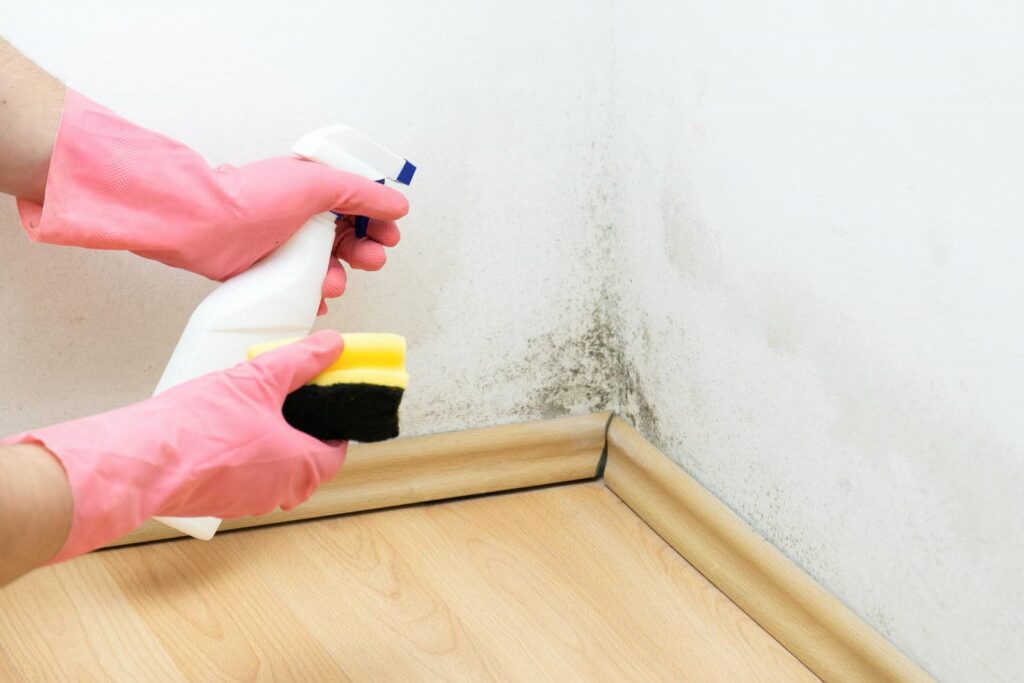
When it comes to mold remediation, understanding your insurance coverage is essential. Many homeowners overlook the specifics of their policies, which can lead to unexpected out-of-pocket expenses. Knowing what your insurance does or doesn’t cover can make a significant difference in your claims process. In the following sections, we’ll explore critical strategies that can help you navigate this complex landscape effectively and ensure you’re adequately protected.
Key Takeaways
- Review your homeowners’ policy to understand mold coverage limits and specific conditions for claims related to mold damage.
- Document all mold damage thoroughly with photographs, inspection reports, and receipts to support your insurance claim.
- Select qualified mold remediation professionals with certifications and positive reviews to ensure effective treatment and compliance with industry standards.
- File your claim promptly and provide complete documentation to expedite the claims process and avoid delays.
- Stay in communication with your insurance company to track your claim status and understand your options if the claim is denied.
What Your Insurance Actually Covers for Mold Damage
When it comes to mold damage, understanding what your insurance covers can save you from unexpected costs. Most homeowners’ policies include some level of mold coverage, but this often comes with specific policy limits.
You’ll want to review your policy to determine how much coverage is available for mold-related claims. Often, coverage may only apply if mold results from a covered peril, such as a burst pipe or roof leak.
Additionally, some policies might exclude mold damage altogether or limit it to a certain dollar amount. By grasping these nuances, you can better prepare for potential mold remediation expenses.
Taking the time to clarify your policy can empower you to make informed decisions about your home’s protection against mold.
Documenting Mold Damage for Effective Claims
Thorough documentation of mold damage is essential for a successful insurance claim. Start by using a mold inspection checklist to identify affected areas and gather evidence.
Take clear, detailed photographs of all visible mold, water damage, and any affected personal property. Include images of the surrounding environment, as they can provide context for the damage.
Keep records of any communication with your insurance company throughout the insurance claim process, noting dates and names of representatives.
Additionally, compile receipts for any immediate repairs or remediation efforts to support your claim.
How to Select Mold Remediation Professionals
How can you ensure that you’re selecting the right mold remediation professionals? Start by ensuring they conduct a thorough mold inspection. This step helps identify the extent of the problem and informs the remediation process.
Next, assess contractor qualifications; they should hold certifications from recognized organizations, demonstrating their expertise in mold remediation techniques. Look for reviews and testimonials from previous clients to gauge their reliability and effectiveness.
Additionally, inquire about their use of industry-standard equipment and protocols. A reputable contractor should provide a detailed plan and transparent pricing.
Frequently Asked Questions
How Can I Prevent Mold From Forming in My Home?
To prevent mold in your home, implement effective mold prevention techniques like using humidity control methods. Keep indoor humidity below 60%, regularly ventilate areas prone to moisture, and promptly fix leaks to maintain a healthy environment.
Does Homeowners Insurance Cover Mold From Flooding?
Homeowners insurance typically doesn’t cover mold resulting from flood damage unless you have specific flood insurance. When filing insurance claims, ensure you document the damage thoroughly to increase your chances of receiving compensation.
Are There Specific Mold Remediation Certifications to Look For?
When tackling mold, you want certified experts—think superheroes of sanitation! Look for certifications in mold inspection and established remediation techniques. These qualifications ensure thoroughness, safety, and reliability, giving you peace of mind in your home.
What Types of Mold Are Most Harmful to Health?
Toxic molds, like Stachybotrys and Aspergillus, pose significant health risks. They can trigger respiratory issues, allergies, and other serious conditions. Identifying and addressing these molds promptly is essential for maintaining a safe living environment.
How Long Does the Mold Remediation Process Typically Take?
The mold remediation process typically takes one to five days, depending on mold growth severity and chosen remediation techniques. You’ll want to ensure thorough inspection and treatment for effective results, leading to a healthier environment.
Review
Understanding your insurance coverage for mold damage, documenting the damage thoroughly, and selecting qualified remediation professionals are essential steps in the claims process. By reviewing your policy, you make certain you’re informed; by capturing detailed evidence, you strengthen your claim; and by choosing the right experts, you ensure effective remediation. Each step builds upon the others, creating a thorough approach to managing mold issues. Stay proactive, stay informed, and make certain your home is protected against mold damage effectively.