
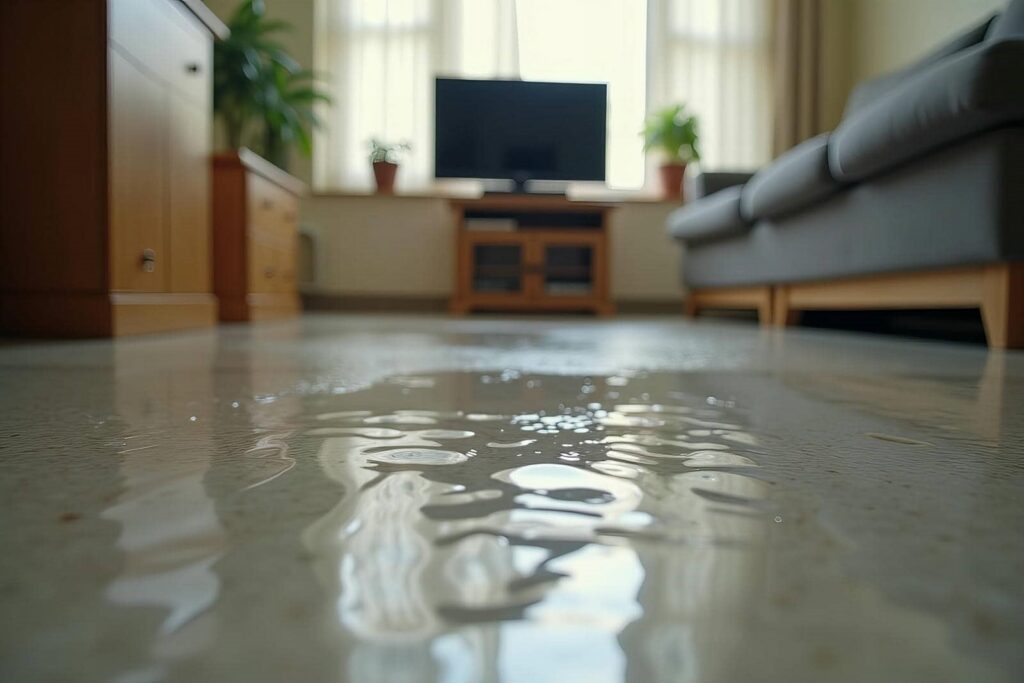
When faced with the unfortunate circumstances of water intrusion, it’s essential to approach flood cleanup with a well-organized strategy. Utilizing proven techniques addresses immediate damage and mitigates the risk of future complications like mold growth. Using established methods ensures a thorough restoration process. However, understanding the specific steps and common pitfalls can greatly impact your outcome, leading you to question what most homeowners overlook during cleanup.
Key Takeaways
- Proven techniques effectively address immediate damage and prevent long-term issues like mold growth.
- Established practices streamline the restoration process, allowing for quicker reclamation of affected spaces.
- Utilizing expert methods fosters confidence in cleanup efforts and ensures thoroughness.
- Following proven techniques leads to a safer, healthier living environment, strengthening connections to home and community.
- Emotional relief is experienced as progress is made, restoring a sense of control during recovery.
Importance of Proven Flood Cleanup Techniques
When faced with the aftermath of a flood, understanding the importance of proven cleanup techniques becomes essential.
Utilizing effective methods ensures that you address immediate damage and prevent long-term issues like mold and structural instability. These techniques streamline the restoration process, allowing you to reclaim your space more efficiently.
By following established practices, you gain confidence in your cleanup efforts, fostering a sense of community as you work alongside others affected by similar challenges.
The restoration benefits extend beyond physical repairs; they also provide emotional relief as you see progress and regain control over your environment.
Embracing these proven techniques ultimately leads to a safer, healthier living space, reinforcing your connection with your home and those around you.
Key Flood Cleanup Steps for Effective Water Damage Restoration
Effective flood cleanup starts with a structured approach to water damage restoration.
By following these key steps, you can ensure a thorough process that mitigates further damage and promotes a safe environment:
Water Extraction: Quickly remove standing water using pumps and vacuums to minimize damage and prevent mold growth.
Drying and Dehumidification: Use fans and dehumidifiers to dry out affected areas. This step is essential for preventing mold development.
Mold Remediation: Inspect for mold and treat any affected areas with appropriate solutions.
Confirming the space is mold-free is crucial for your health and safety.
Avoid These Common Flood Cleanup Mistakes
While it might be tempting to dive straight into cleanup after a flood, overlooking key precautions can lead to costly mistakes. One common error is misjudging damage; it’s essential to assess the situation thoroughly before taking action. Rushing can result in missed structural issues or hidden hazards.
Additionally, ignoring safety can put you and your loved ones at risk. Always wear protective gear and make certain the building’s electrical systems are safe before entering.
Remember, it’s not just about cleaning up; it’s about doing so safely and effectively. By avoiding these pitfalls, you foster a sense of community and responsibility, reinforcing the importance of careful action in the face of adversity.
Prioritize safety and accurate assessments to ensure successful recovery.
Why You Should Hire Professional Flood Cleanup Services?
After understanding the common pitfalls of flood cleanup, you might wonder whether handling the situation alone is the best approach.
Here’s why hiring professional flood cleanup services is a smart choice:
Expert Damage Assessment: Professionals have the expertise to evaluate the extent of damage accurately, ensuring no hidden issues remain.
Efficient Flood Recovery: They use specialized equipment and techniques that speed up the recovery process, minimizing long-term impacts.
Health Safety: Professionals can identify and mitigate health risks, such as mold and bacteria, safeguarding your family’s wellbeing.
Tips for Flood Preparedness and Damage Prevention
To ensure your home is resilient against flooding, it’s crucial to implement proactive measures before disaster strikes.
Start by creating emergency kits stocked with essentials like food, water, medications, and flashlights. Regularly check and update these kits to confirm everything’s fresh and functional.
Next, assess your insurance coverage; make sure it includes flood protection, as standard policies often don’t. Understanding your policy can save you from costly surprises later.
Additionally, elevate electrical systems and appliances above potential flood levels and install sump pumps if necessary.
Don’t forget to maintain gutters and downspouts to direct water away from your foundation.
Frequently Asked Questions
How Long Does the Flood Cleanup Process Typically Take?
The flood cleanup process typically takes weeks to months, depending on the severity. You’ll navigate recovery phases, assess damage, and create a cleanup timeline to ensure thorough restoration while minimizing stress for everyone involved.
What Are Common Health Risks Associated With Floodwaters?
Floodwaters pose significant health hazards, including exposure to contaminated water, which can lead to infections, gastrointestinal illnesses, and respiratory issues. It’s essential to prioritize safety and avoid contact with flood-affected areas to protect your health.
Can I Use Household Products for Flood Cleanup?
Yes, you can use household cleaners for flood cleanup, but make certain they’re effective methods. Focus on disinfectants, mold removers, and deodorizers to maintain safety and hygiene in your environment while tackling the aftermath efficiently.
What Insurance Coverage Is Available for Flood Damage?
You can get flood insurance, which often includes coverage limits based on property value. Check your policy carefully, as it determines your financial recovery potential after flood damage, ensuring you’re adequately protected when disaster strikes.
How Do I Assess the Extent of Flood Damage?
To assess flood damage, you’ll need to methodically evaluate each area. Use damage evaluation techniques like moisture meters and visual inspections to determine the extent, ensuring you don’t overlook hidden risks lurking beneath the surface.
Summary
In the end, ignoring proven flood cleanup techniques might just leave you with a charming mold garden or an unexpected indoor swimming pool. While you might think tackling the mess alone is a badge of honor, the reality is that a methodical approach not only saves time but also protects your home—and sanity. So, embrace those established practices, or you could find yourself swimming against the tide of your own making. After all, who doesn’t want a healthier living environment?