
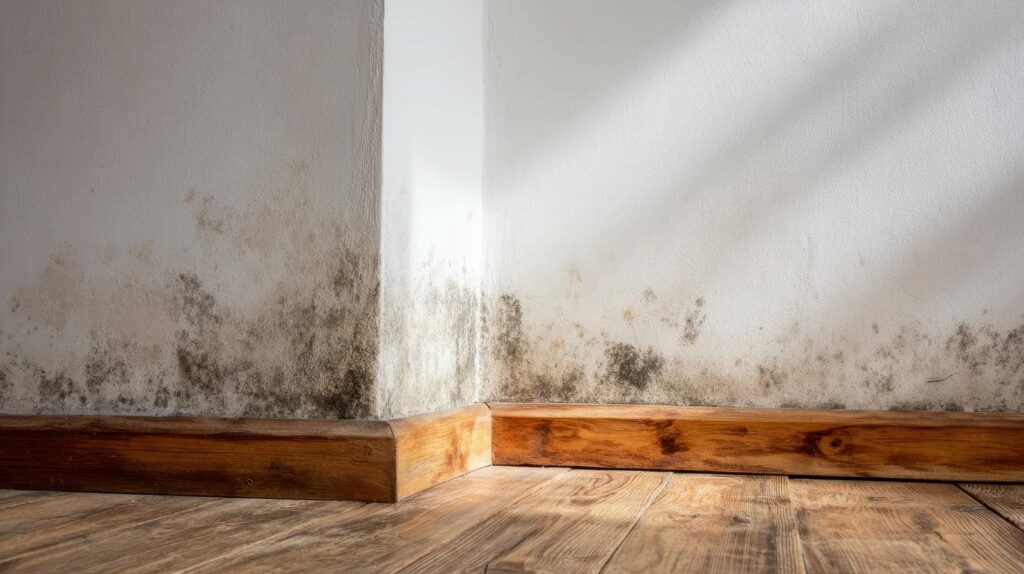
Like a stealthy intruder, mold can invade your home, posing health risks and damaging your property. Understanding the affordable mold remediation options available can empower you to tackle this issue effectively. From simple DIY methods to proactive prevention strategies, there are budget-friendly ways to combat mold growth. The key lies in knowing where to start and what tools you can use to safeguard your environment. So, what are your best options for addressing this common problem?
Key Takeaways
- Use a vinegar solution to naturally and affordably remove mold from surfaces without harsh chemicals.
- Create a baking soda paste to tackle tougher mold spots; it’s inexpensive and effective for scrubbing.
- Implement moisture control measures, like using dehumidifiers, to prevent future mold growth at a low cost.
- Regularly inspect for leaks and ensure proper ventilation in damp areas to minimize mold risks affordably.
- Consider DIY mold test kits to assess mold presence before deciding on professional help, saving on initial costs.
What You Need to Know About Mold and Its Risks
Mold is more than just an unsightly nuisance; it poses significant health risks that you need to understand. Various mold types, including black mold and Aspergillus, can trigger allergic reactions, respiratory issues, and even more severe conditions in sensitive individuals.
You mightn’t realize that prolonged exposure can particularly affect children, the elderly, and those with pre-existing health conditions. Understanding mold health is essential for everyone, especially if you want to create a safe living environment.
Recognizing these risks empowers you to take proactive measures for prevention and remediation. By becoming informed about the different mold types and their potential impact, you’re taking the first step toward protecting yourself and your loved ones from harmful exposure.
Signs You Need Mold Remediation
If you notice unpleasant musty odors in your home, it’s a clear indication that mold might be present.
Additionally, visible mold growth on walls, ceilings, or other surfaces is a strong sign that you need mold remediation.
Addressing these issues promptly can help prevent further damage and health risks.
Unpleasant Musty Odors
Have you noticed a persistent, musty odor in your home that lingers despite your best efforts to clean? This musty smell is often a telltale sign of mold growth, indicating that moisture is present in your living space.
Mold thrives in damp environments, and that unpleasant odor might be a warning call for necessary action. Ignoring it could lead to more significant problems down the road, affecting not just your property but your health as well.
Effective odor removal requires identifying and addressing the source of moisture. If you can’t locate the source, it’s wise to consult a professional.
Taking action promptly will help guarantee your home remains a healthy and welcoming environment for you and your loved ones.
Visible Mold Growth
Persistent musty odors can often lead to concerns about mold, but visible mold growth is a more direct indicator that remediation is necessary. If you spot mold on walls, ceilings, or other surfaces, it’s essential to act quickly.
This growth often arises from excess moisture, poor ventilation, or water damage—common mold growth causes. Ignoring visible mold can lead to health issues and structural damage.
Effective mold removal techniques include scrubbing surfaces with detergent and using specialized cleaning solutions. For larger infestations, consider hiring professionals who can assess the situation and implement thorough remediation strategies.
Recognizing these signs not only protects your home but also fosters a safe and healthy environment for you and your loved ones.
When You Should Call a Professional for Mold Help?
When should you consider bringing in a professional for mold remediation? If you’ve noticed extensive mold growth or have health concerns, it’s time to call in the experts.
Professionals can perform mold testing to identify the type and extent of the problem, which is essential for effective remediation. If you or your family members experience respiratory issues, skin irritation, or other health effects linked to mold exposure, don’t hesitate to seek help.
Additionally, if the mold covers an area larger than 10 square feet, or if it’s hidden behind walls or in your HVAC system, professional intervention is advisable.
How to Choose the Right Mold Remediation Service for Your Budget
When choosing a mold remediation service that fits your budget, start by evaluating your specific needs to determine the level of service required.
Next, compare service estimates from multiple providers to find the best value without compromising quality.
Finally, check each company’s qualifications to guarantee you’re selecting a reliable and experienced professional.
Assess Your Needs First
Before diving into the mold remediation process, it’s essential to evaluate your specific needs to guarantee you choose a service that aligns with your budget.
Start with a thorough mold assessment to identify the extent of the problem. This step helps you understand whether you need simple cleaning or more extensive remediation.
Consider your budget considerations carefully; knowing how much you can spend will help narrow down your options.
Look for services that offer a range of solutions, from DIY products to professional help.
Compare Service Estimates
To effectively choose the right mold remediation service that aligns with your budget, it’s vital to compare estimates from various providers.
Begin your service comparison by gathering detailed estimates that outline the scope of work, materials used, and time frames. During your estimate evaluation, look for transparency in pricing to avoid hidden fees later.
Don’t just focus on the lowest cost; assess the thoroughness of each service offered. Consider factors such as customer reviews, warranties, and post-remediation follow-ups.
Check Qualifications Thoroughly
While it may be tempting to choose the first mold remediation service that comes your way, thoroughly checking qualifications is essential for ensuring quality work at a fair price.
Start by creating a qualifications checklist that includes licensing, insurance, and certifications. Make sure the contractors have experience specifically in mold remediation, as this expertise can greatly impact the effectiveness of their work.
Don’t hesitate to ask for references or reviews from previous clients; this feedback can offer valuable insights into their reliability and professionalism.
Affordable DIY Mold Removal Methods
Mold growth can be a frustrating problem, but there are several affordable DIY methods you can use to tackle it effectively.
One popular approach is using a vinegar solution, which is both cost-effective and natural. Simply fill a spray bottle with undiluted white vinegar and apply it directly to the affected areas. Let it sit for at least an hour before wiping it away with a damp cloth.
For tougher spots, consider mixing baking soda with water to create a paste, applying it to the mold, and scrubbing gently. These natural ingredients not only help eliminate mold but also reduce the risk of harmful chemicals in your home.
Preventing Future Mold Growth on a Budget
Since preventing future mold growth is often more cost-effective than dealing with an outbreak, implementing simple strategies can save you time and money in the long run.
Focus on moisture control and consider using mold resistant paints to protect your home. Here are some budget-friendly tips to help you:
- Keep humidity levels below 50% with dehumidifiers.
- Regularly inspect and repair leaks in plumbing and roofs.
- Guarantee proper ventilation in areas like bathrooms and kitchens.
- Use mold resistant paints on walls and ceilings in damp areas.
Frequently Asked Questions
Can Mold Remediation Affect My Home Insurance Premiums?
Mold remediation can indeed affect your home insurance premiums. If your policy covers mold damage, remediation might lower future claims, potentially reducing your premium impact. It’s wise to discuss this with your insurer for clarity.
How Long Does Mold Remediation Typically Take?
When a family discovers mold growth in their basement, they often wonder about the remediation timeline. Typically, it takes one to three days, depending on the extent of the damage and necessary repairs.
What Should I Do With Belongings During Remediation?
During remediation, you should pack your belongings in airtight containers for storage solutions. Use protective measures like plastic wrap to shield items from potential mold spores, ensuring they’re safe and secure throughout the process.
Are There Health Risks During DIY Mold Removal?
Tackling DIY mold removal can feel like dancing with danger. You face potential health effects if you skip safety precautions. Breathing in spores may lead to respiratory issues, so always prioritize your well-being during the process.
Can I Live in My Home During Mold Remediation?
You can live in your home during mold remediation, but it’s essential to take safety measures. Temporary relocation might be necessary if the mold is extensive or if you’re sensitive to its effects. Prioritize your health.
Summary
While you might dream of a mold-free castle, you don’t need to break the bank to achieve it. With a few vinegar bottles and some baking soda, you can channel your inner DIY hero. By staying vigilant and maintaining your home’s humidity, you can outsmart mold without hiring a pricey cleanup crew. So, roll up your sleeves, grab your supplies, and remember: mold might be persistent, but so are you especially when it comes to saving money!