
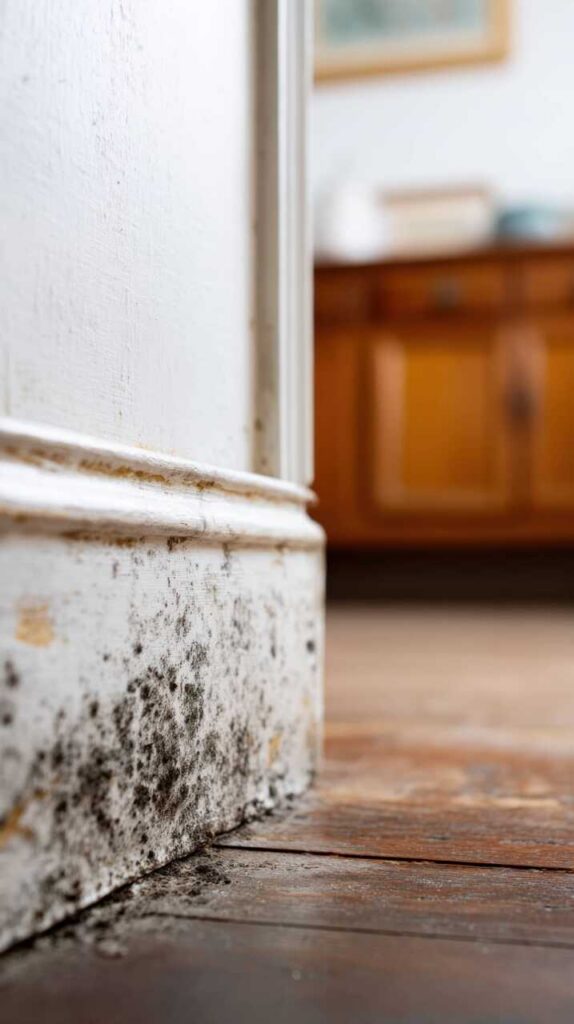
When you face flood damage, you need to move fast before moisture turns into a bigger problem. Flood Cleanup begins with removing standing water, drying hidden areas, and disinfecting every affected surface with care. But even when things look clean, mold can still start where you can’t see it. The next steps show you how to protect your home, spot trouble early, and know when a deeper fix is necessary.
Key Takeaways
- Inspect flood damage safely, document it, and mark unsafe areas before cleanup begins.
- Remove standing water quickly with pumps, mops, or wet-vacs to limit mold growth.
- Dry all surfaces and hidden cavities using fans, dehumidifiers, and open doors or cabinets.
- Disinfect dried surfaces with EPA-registered products or proper bleach solutions, following contact-time instructions.
- Repair only after everything is fully dry, and call mold experts if odors or damage persist.
Check Storm Flood Damage Right Away
As soon as it’s safe to re-enter the area, you should check for storm flood damage right away so you can limit further loss and spot hidden hazards.
Start with a quick exterior sweep, then inspect walls, floors, outlets, breakers, and appliances for visible damage, swelling, or contamination. Document everything with photos and notes for your flood insurance claim, and keep receipts for emergency repairs.
If you smell gas, see sparks, or notice structural shifting, leave and call the proper professionals. Your storm preparedness plan works best when you act fast and stay methodical.
Move room by room, tag unsafe spaces, and share findings with everyone in your household so you’re all on the same page. This careful first check helps your crew recover with confidence.
Remove Standing Water and Wet Materials
Once you’ve confirmed the area is safe, pump, mop, or wet-vac standing water as soon as possible to slow further damage and reduce mold growth.
Use the fastest water removal techniques you’ve got, then sort wet materials by what you can save and what you can’t.
Pull out soaked rugs, cardboard, insulation, and ruined personal items that hold moisture. Bag debris securely so you don’t spread contamination through the home.
Check corners, seams, and low spots with moisture assessment tools to find lingering dampness you might miss by eye.
Stay methodical and keep moving room by room. You’re not tackling this alone; each careful step helps your space recover faster and makes the cleanup feel more manageable for everyone involved.
Dry Walls, Floors, and Hidden Spaces
With the standing water gone, you can focus on drying every surface and cavity that still holds moisture. Aim fans at walls and baseboards, and run dehumidifiers to support moisture control. Open interior doors, closets, and cabinets so trapped air can move freely. Use ventilation strategies that pull damp air out and bring drier air in.
- Lift rugs and pads so floor layers dry evenly.
- Remove toe kicks and open access panels where possible.
- Check behind furniture, under sinks, and inside wall cavities.
- Keep air moving until surfaces feel dry to the touch.
If you stay consistent, you’re helping your space recover safely and making the next steps easier for everyone in your home.
Disinfect Surfaces to Prevent Mold
After surfaces are dry to the touch, disinfect them to slow mold growth and reduce lingering contamination. You can use EPA-registered disinfectants or a bleach solution suited to the job, but always follow the label and wear gloves.
Match your disinfecting techniques to the surface materials: nonporous counters, tile, and metal tolerate wet wiping, while painted wood and finished drywall need gentler treatment to avoid damage.
Apply the cleaner evenly, keep the surface visibly wet for the required contact time, then rinse if the product calls for it. Ventilate the area as you work.
If you’re cleaning with others, split tasks so everyone stays safe and supported. Careful disinfection helps your space recover cleanly and gives your home a stronger start.
Look for Mold After Cleanup
Even when cleanup looks complete, you still need to inspect the area for hidden mold growth. Check baseboards, corners, drywall seams, and under sinks for spotting, staining, or a musty odor. Use a flashlight and your nose; together, they help you catch early warning signs.
This quick review supports mold prevention strategies and protects indoor air quality for everyone in your home.
- Look for discoloration on porous materials.
- Notice any soft, warped, or damp surfaces.
- Scan behind furniture and stored items.
- Watch for new odor after drying.
If you find anything suspicious, document it and keep monitoring the space. You’re not alone in this process; careful follow-up helps your home stay safe, dry, and comfortable after flooding.
Handle Repairs and Hidden Damage Safely
Before you start repairs, make sure the structure is truly dry and any hidden damage is identified.
You should remove damaged materials carefully, checking framing, insulation, and subfloors for soft spots, staining, or odors. Use safety precautions every step of the way: wear gloves, eye protection, and a respirator when dust or debris is present.
Cut out wet drywall above the flood line, then dry the cavity with ventilation and dehumidification.
Apply proven repair techniques, such as replacing compromised fasteners and sealing exposed wood after it’s clean and dry.
If you’re working with others, assign tasks clearly so everyone stays protected and confident.
Your crew can restore the space safely when you move methodically and verify each surface before closing it up.
Call Mold Experts If You Need Help
If you notice widespread mold growth, persistent musty odors, or water damage that’s been sitting too long, call a mold remediation expert to assess the problem. You don’t have to handle every issue alone; expert consultation gives you a clear plan and helps protect your home and health.
- Test affected materials and air quality
- Identify hidden moisture behind walls
- Recommend safe removal and drying steps
- Support mold prevention after cleanup
A qualified specialist can confirm whether contamination has spread and what repairs you need next.
They’ll use proper containment, filtration, and removal methods, so you can move forward with confidence.
When you bring in the right help, you’re joining a process built for recovery, safety, and long-term mold prevention.
Frequently Asked Questions
How Soon Should Insurance Claims Be Filed After a Flood?
You should file flood insurance claims immediately, ideally within 24 to 48 hours, so you can start the claim process fast. You’ll protect your coverage, document damage early, and feel supported throughout.
What Protective Gear Is Needed During Flood Cleanup?
You’ll need protective gloves, waterproof boots, and eye protection; think of them as your shield in muddy water and splintered debris. Wear long sleeves, pants, and a mask if mold’s present, so you’re safer together.
Can Flood-Damaged Appliances Be Safely Reused?
You can reuse some flood-damaged appliances only after appliance inspection and safety measures confirm they’re dry, undamaged, and electrically sound. If you notice corrosion, odor, or wiring damage, replace them to keep your home safe.
How Do I Prevent Sewage Contamination During Cleanup?
You can prevent sewage contamination by wearing gloves, boots, and a mask, sealing waste, disinfecting tools, and keeping children out; like a quiet shield, sewage safety and contamination prevention let you clean confidently together.
When Is It Safe to Return Home After Flooding?
You can return home once authorities say it’s safe, flood safety checks pass, and utilities work. Follow return guidelines, inspect for structural damage, and avoid standing water. You’re not alone; communities recover together.
Summary
Act fast after flood cleanup, and you’ll cut mold risk fast. Check damage right away, remove standing water, dry walls and hidden spaces, and disinfect all surfaces with approved products. Keep air moving, watch for damp spots, and inspect repaired areas carefully. If you find hidden moisture or suspect mold, call experts before it spreads. Don’t wait for problems to “phone home” like some old relic—your best defense is thorough drying and prompt action.