
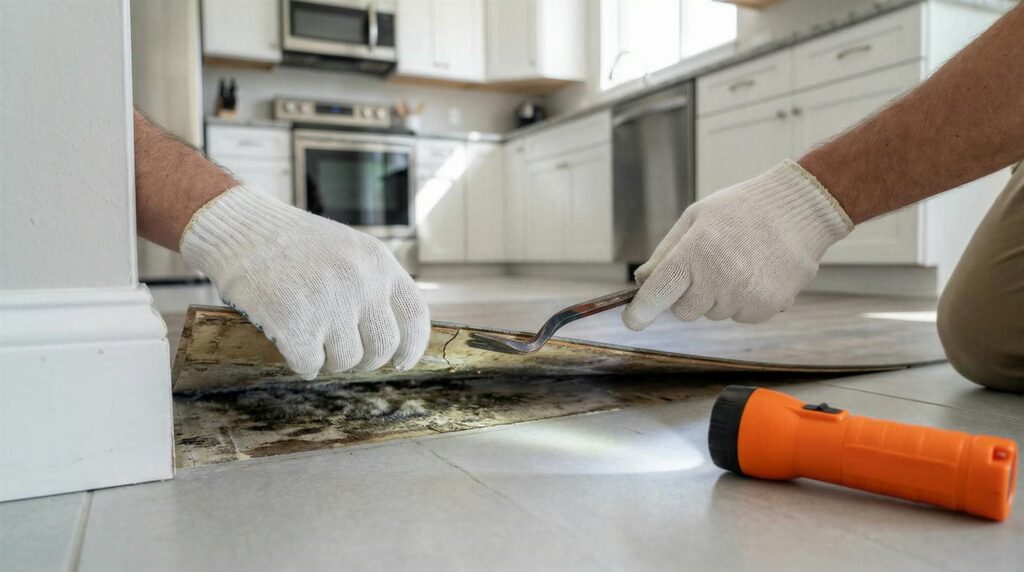
Imagine your home as a fortress, protecting you from the elements, yet hidden threats like mold can quietly infiltrate its walls. Mold remediation insurance acts as your shield, safeguarding against unexpected costs and health risks. However, understanding the nuances of coverage is essential, as not all policies are created equal. What should you consider when evaluating your options? The answers might surprise you and could save you from a costly oversight.
Key Takeaways
- Mold remediation insurance protects against costly mold damage, health risks, and ensures a safe living environment during recovery from mold issues.
- Coverage options vary significantly; compare policies for limits, exclusions, and whether specialized mold coverage is available based on your region.
- The claims process involves verifying coverage, documenting damage, and submitting claims; thorough documentation is crucial for successful claims.
- Be aware of policy limitations, such as caps on coverage and exclusions for damage due to neglect or pre-existing conditions.
- Proactive prevention strategies like humidity control and leak management can significantly reduce the risk of mold growth and future insurance claims.
Why Mold Remediation Insurance Matters
Mold remediation insurance matters because it protects you from the potentially high costs associated with mold damage and cleanup.
Mold can pose serious health risks, affecting your well-being and that of your family. When mold infiltrates your home, remediation costs can escalate quickly, depending on the extent of the damage and the necessary professional services.
Without insurance, you might face significant financial burdens, hampering your ability to maintain a safe living environment. This coverage alleviates the financial strain and ensures you have access to experienced professionals who can effectively address mold health concerns.
How Mold Remediation Insurance Works
Understanding how mold remediation insurance works is essential for effective management of potential claims.
You’ll find that coverage options can vary greatly, impacting your financial protection and responsibilities.
Additionally, maneuvering through the claims process and recognizing policy limitations can help you make informed decisions when addressing mold issues.
Coverage Options Explained
How can you ensure your home is protected from the costly impacts of mold damage? Understanding the different coverage types in mold remediation insurance is essential.
Many policies offer various levels of protection, from basic plans that cover only structural damage to extensive options that include personal belongings and additional living expenses.
When you explore policy comparisons, look for features like limits on coverage amounts, exclusions, and deductibles.
Some insurers even provide specialized mold coverage tailored to your region’s climate.
Claim Process Overview
While dealing with mold damage can be overwhelming, knowing the claims process for mold remediation insurance can simplify your recovery. Here’s a step-by-step overview to help you navigate it:
Policy Verification: Start by reviewing your insurance policy to confirm coverage for mold remediation.
Claim Documentation: Gather all necessary documents, including photos of the damage and any repair estimates.
File the Claim: Contact your insurance provider to initiate the claims process, providing them with your collected documentation.
Follow Up: Stay in touch with your insurer for updates and any additional information they might need.
Understanding these steps can make a challenging situation more manageable and enhance your sense of community during the recovery process.
Policy Limitations Identified
Mold remediation insurance can be a valuable resource, but it’s crucial to recognize its limitations to avoid surprises during the claims process. Many policies have specific policy exclusions that could leave you vulnerable.
For instance, mold damage resulting from neglect or pre-existing conditions mightn’t be covered. Additionally, understand the coverage limits your policy imposes; these can greatly impact your financial responsibility in a remediation situation.
If the cost of remediation exceeds your policy’s limit, you’ll need to cover the difference out of pocket. By familiarizing yourself with these limitations, you can better prepare for potential mold issues and make sure you’re not caught off guard when you need assistance the most.
Types of Mold Damage Covered
Understanding the types of mold damage covered by insurance can markedly impact your recovery process.
When evaluating damage, it’s vital to know what your policy protects. Here are four common mold types and their associated damages typically covered:
Black Mold: Often linked to severe health risks, damage evaluation might include structural issues or contamination of personal belongings.
Aspergillus: This type can cause respiratory problems; coverage may include remediation and cleanup costs.
Penicillium: Known for deteriorating materials, your policy might address damages to insulation or drywall.
Cladosporium: Typically found in indoor air, it could lead to HVAC system damage, which may also be covered.
Understanding these specifics can help you navigate your coverage effectively and facilitate a smoother recovery.
Common Exclusions in Mold Remediation Insurance Policies?
Have you checked your mold remediation insurance policy for common exclusions? Understanding these mold exclusions is essential for effective coverage.
Many policies don’t cover mold damage resulting from neglect or lack of maintenance, so it’s important to read the policy specifics. Some insurers may exclude mold damage caused by flooding, even if it’s not the primary issue.
Additionally, mold growth that’s been present for a certain period before filing a claim mightn’t be covered. If you live in a high-humidity area, be aware of limitations related to environmental factors.
Always review your policy details and discuss any concerns with your agent to ensure you’re fully protected against unexpected mold-related expenses.
Filing a Mold Remediation Insurance Claim
When you’re filing a mold remediation insurance claim, it’s essential to understand your policy limits to avoid any surprises down the line.
Make sure to thoroughly document all damage, as this evidence will support your claim and expedite the process.
Understand Your Policy Limits
Knowing your policy limits is essential before filing a mold remediation insurance claim, as it directly impacts the financial support you can expect.
To ensure you have a clear limit understanding, consider these key aspects of your policy coverage:
Coverage Amount: Know the maximum your insurer will pay for mold remediation.
Deductibles: Understand any out-of-pocket expenses you’ll need to cover before claims kick in.
Exclusions: Be aware of what types of mold damage your policy doesn’t cover.
Claim Limits: Check if there are specific limits per incident or per year.
Document All Damage
To ensure a successful mold remediation insurance claim, it’s crucial to meticulously document all damage as soon as you discover it.
Start with a thorough damage assessment, noting the extent of the mold growth and any affected areas in your home. Use your smartphone or camera to take clear photos, capturing both close-ups and wider shots for context.
Keep a detailed log of dates, times, and specific conditions that contributed to the mold issue. Additionally, maintain all repair documentation, including invoices and receipts from professionals you hire for remediation.
This extensive approach strengthens your claim and ensures your insurance provider has all the necessary information to process it efficiently, giving you peace of mind during a stressful time.
What You’ll Experience During Mold Remediation
As the mold remediation process unfolds, you’ll encounter a series of structured steps designed to ensure thorough removal and prevention of future growth.
Understanding these stages can ease your concerns about health risks associated with mold exposure. Here’s what you can expect:
Assessment: Professionals will evaluate the extent of mold growth using advanced techniques.
Containment: Areas affected by mold will be sealed off to prevent spores from spreading.
Removal: Effective mold removal techniques will be employed, ensuring complete eradication.
Post-Remediation: You’ll receive guidance on maintaining a mold-free environment to protect your health.
This structured approach addresses the immediate issue and fosters a sense of security for you and your loved ones.
Key Factors in Selecting Mold Remediation Insurance Policies
How can you ensure that your mold remediation insurance policy adequately protects your home and health? Start by conducting thorough coverage comparisons among various providers.
Look for policies that include specific mold-related damages, as standard homeowners’ insurance may not cover these adequately. Pay attention to exclusions and limitations, ensuring you’re aware of any caps on coverage.
Seek policy recommendations from trusted sources, such as friends or professionals in the industry, to gain insights into the best options available.
Evaluate the claims process, as a smooth experience can save you time and stress during a challenging situation.
Preventing Mold Growth to Reduce Future Claims
While mold growth can markedly impact your home and health, taking proactive measures can greatly reduce the risk of future claims.
Implementing effective mold prevention strategies and moisture control techniques is vital. Here are four essential steps you can take:
Maintain Humidity Levels: Keep indoor humidity below 60% using dehumidifiers or air conditioning.
Seal Leaks Promptly: Inspect and repair plumbing leaks or roof damage immediately to prevent moisture accumulation.
Ventilate Properly: Ensure adequate ventilation in areas like bathrooms and kitchens where moisture is prevalent.
Regular Inspections: Conduct routine checks in basements, attics, and other vulnerable areas to catch mold early.
Frequently Asked Questions
How Can I Find Reputable Mold Remediation Insurance Providers?
To find reputable mold remediation insurance providers, start by researching companies that specialize in mold inspection and review customer feedback. Compare policies, focusing on their coverage for insurance claims related to mold damage to ensure thorough protection.
Does Mold Remediation Insurance Cover Pre-Existing Mold Issues?
Mold remediation insurance often doesn’t cover pre-existing conditions, highlighting mold coverage limitations. You should review your policy carefully to understand what’s included and consult with providers to ensure you have adequate protection against unforeseen issues.
Will My Home Insurance Cover Mold Remediation Costs?
Your home insurance might cover mold remediation costs, but it often depends on mold coverage specifics and insurance exclusions. Review your policy carefully to understand what’s included and what potential limitations exist regarding mold-related claims.
Are There Specific Certifications for Mold Remediation Contractors?
Yes, there are specific mold remediation certifications that contractors can obtain. Look for qualifications like IICRC or ACAC certifications, ensuring they’re trained in safe and effective mold removal practices to protect your home and health.
How Often Should I Review My Mold Remediation Insurance Policy?
You should review your mold remediation insurance policy annually, like checking the air in your tires. This ensures your coverage limits adequately protect you against risks, keeping you safe and secure in uncertain situations.
Final Thoughts
In the domain of homeownership, mold remediation insurance acts as your protective shield against the unseen threat of mold damage. Just as a sturdy umbrella shelters you from unexpected rain, this insurance safeguards your financial well-being and health. By understanding your coverage options and taking proactive steps to prevent mold growth, you can navigate the stormy waters of potential claims with confidence. Equip yourself wisely, and you’ll weather any mold-related challenges that come your way.