
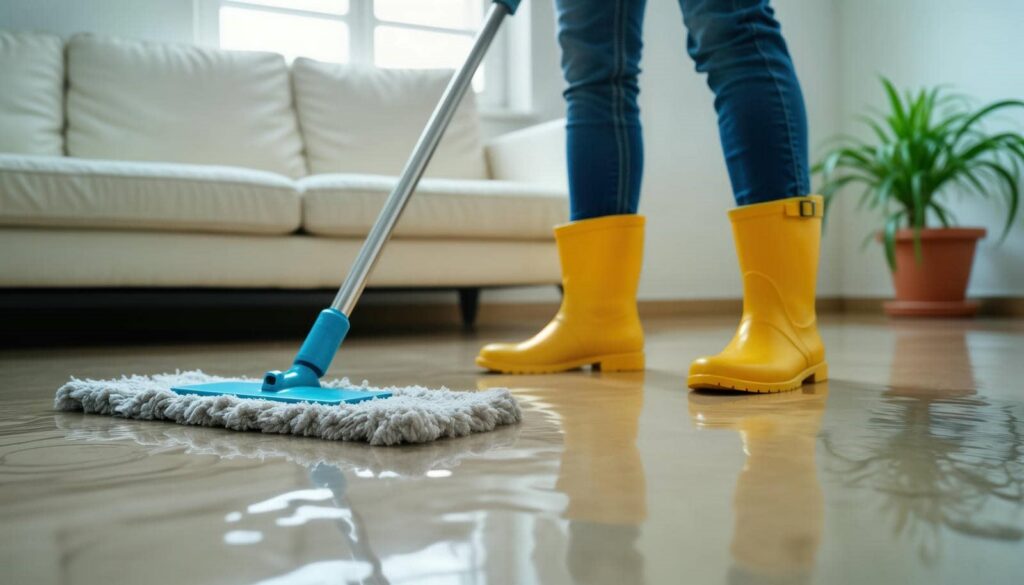
After a flood, steering through the cleanup process can feel overwhelming. It’s essential to assess the damage carefully, as each step you take impacts the overall recovery. Ignoring safety precautions or delaying water removal can lead to further complications, like mold growth. Understanding the key strategies for effective remediation can make a significant difference. So, what should you prioritize first to guarantee both safety and a successful recovery?
Key Takeaways
- Assess the extent of flood damage by documenting indicators like water stains and mold growth before initiating cleanup efforts.
- Prioritize safety by wearing protective gear and checking structural integrity before starting the remediation process.
- Remove standing water quickly with pumps and wet vacs, ensuring proper ventilation to aid in drying out the space.
- Address mold growth promptly using water and detergent, and dispose of heavily contaminated materials safely to prevent health risks.
- Seek local resources and community support for emotional relief and practical assistance during the recovery process.
Assess the Damage: What to Look For After a Flood?
How do you begin to assess the damage after a flood? Start by identifying key damage indicators in your home and surroundings.
Look for water stains, warped floors, and mold growth, as these can reveal the extent of the flooding. Document these indicators with photos for your records and insurance claims.
Check your electrical systems and plumbing; any signs of corrosion or leaks can prolong your recovery timeline if not addressed quickly.
While it’s overwhelming, remember you’re not alone—seek support from neighbors and local resources. This shared experience can foster a sense of belonging as you work together towards recovery.
Prioritize Safety: Essential Precautions During Cleanup
When tackling post-flood cleanup, your safety should be your top priority.
Make certain you wear protective gear to shield yourself from potential hazards, assess the structural integrity of your surroundings, and steer clear of contaminated water.
Taking these precautions not only safeguards your health but also sets a solid foundation for a successful recovery.
Wear Protective Gear
In the aftermath of a flood, prioritizing your safety is essential, and wearing the right protective gear can greatly reduce your risk of injury and illness.
Start by donning waterproof gloves to shield your hands from contaminated water and sharp debris. They’re your first line of defense against potential infections.
Next, don protective masks to guard against harmful airborne particles and mold spores, which can pose serious health risks.
Remember, you’re not just cleaning up; you’re reclaiming your space and ensuring a safe environment for yourself and your loved ones.
Assess Structural Integrity
Before you begin the cleanup process, it’s essential to assess the structural integrity of your home. A thorough structural assessment helps guarantee your safety and that of your loved ones.
Start with a focused foundation inspection to identify any damage. Here’s what to check:
Cracks: Look for new or widening cracks in walls or floors.
Doors and Windows: Confirm they open and close properly, as misalignment may indicate shifting.
Support Beams: Inspect beams for signs of warping or weakness.
Basement and Crawl Spaces: Check for signs of water intrusion or mold.
Taking these steps can help you understand the damage and determine the safest way forward.
Avoid Contaminated Water
As you navigate the aftermath of a flood, avoiding contaminated water is vital for your safety and health. Floodwaters can harbor numerous contamination sources, including sewage, chemicals, and bacteria that pose serious health risks.
It’s important to stay informed and vigilant during this challenging time. Before venturing into any water, conduct water testing whenever possible to verify its safety. Use appropriate protective gear, like gloves and boots, to minimize direct contact.
If you suspect contamination, don’t hesitate to seek professional help. Remember, you’re not alone in this; many in your community are facing similar struggles.
Prioritizing safety guarantees you can focus on the healing process while safeguarding yourself and your loved ones from potential harm.
Drying Out Your Space: Best Practices to Prevent Mold
While managing the aftermath of a flood, prioritizing the drying process is essential to prevent mold growth and its associated health risks.
Mold can develop rapidly in damp environments, so you’ll want to take these steps to guarantee effective humidity control and air circulation:
Remove standing water promptly using pumps or wet vacuums.
Ventilate your space by opening windows and doors to promote air circulation.
Use dehumidifiers to lower humidity levels, keeping them below 60%.
Dry materials quickly, including carpets and furniture, by using fans or natural sunlight.
What to Use for Effective Water Removal?
When dealing with floodwaters, it’s crucial to choose the right tools for effective water removal to minimize damage and expedite the recovery process.
Start with water extraction equipment suited for the volume of water in your space. Submersible pumps are ideal for deep water, while utility pumps can handle smaller amounts efficiently. Consider using a combination of these pump types to tackle varying depths effectively.
Don’t forget about wet/dry vacs; they’re great for corners and tight spaces where pumps may struggle.
As you work, remember to wear protective gear and be mindful of electrical hazards.
With the right tools, you’ll foster a sense of community resilience, helping not just yourself but also your neighbors as you recover together.
How to Tackle Mold After a Flood
After a flood, mold can start growing quickly in damp areas, so it’s essential to identify these spots as soon as possible.
You’ll want to follow safe cleanup procedures to protect yourself and your home.
Finally, implementing preventive measures will help you avoid future mold problems, ensuring a healthier environment.
Identify Mold Growth Areas
Identifying mold growth areas is essential in preventing further damage and health risks after a flood.
You’ll want to use effective mold detection techniques and moisture assessment methods to locate potential problem spots.
Here are four key areas to check:
Basements and crawl spaces – These damp areas often harbor hidden mold.
Walls and ceilings – Look for discoloration or peeling paint, which indicates moisture.
Floors and carpets – Check for dampness or a musty smell, signaling mold beneath surfaces.
HVAC systems – Mold can thrive in air ducts and filters, affecting air quality.
Safe Cleanup Procedures
Although tackling mold after a flood can feel overwhelming, following safe cleanup procedures is crucial for your health and home.
Start by wearing protective gear, including gloves and masks, to shield yourself from mold spores.
Next, focus on proper sanitation; use a mixture of water and detergent to scrub surfaces thoroughly.
For porous materials, like carpets or drywall, safe disposal may be necessary if they’re heavily contaminated. Make sure you dispose of these items in sealed bags to prevent further spread.
After cleaning, dry the area completely to inhibit mold growth.
Regularly check for moisture and maintain ventilation to support a mold-free environment.
Prevent Future Mold
To prevent future mold growth after a flood, it’s essential to address moisture issues promptly and effectively.
Implementing the right mold prevention techniques and humidity control strategies can make a significant difference in your home’s air quality.
Here are four key steps to take into account:
Dry Out: Remove standing water and dry out affected areas within 24-48 hours.
Ventilation: Ensure proper airflow in your home by opening windows and using fans.
Humidity Control: Keep indoor humidity levels below 50% using dehumidifiers.
Materials: Replace water-damaged materials, like drywall and carpets, to reduce mold growth risk.
Flood Recovery: Essential Home Repairs and Restoration
When you’ve faced the aftermath of a flood, tackling essential home repairs and restoration can feel overwhelming.
Start by evaluating the damage thoroughly, focusing on structural integrity and safety. Document everything for your insurance claims—photos and lists can streamline the process.
Prioritize critical repairs, like electrical systems and plumbing, to prevent further complications. If you need financial assistance, research local grants or community resources that can help ease the burden.
Don’t hesitate to reach out to neighbors or local support groups; sharing experiences can provide emotional relief and practical advice.
When to Call Professionals: Knowing Your Limits
Recognizing your limits is vital in post-flood cleanup, especially when the damage exceeds your expertise or resources.
Knowing when to call for professional services can save you time and stress. Here are four signs it’s time to seek help:
Extensive Water Damage: If the flooding has compromised structural integrity, don’t hesitate to call for emergency response.
Mold Growth: If you notice mold, which can pose health risks, professional remediation is essential.
Electrical Hazards: Never attempt to handle water-damaged electrical systems; professionals are trained for this.
Debris Removal: Large debris or hazardous materials should be managed by experts for safety.
Trusting professionals not only guarantees thorough cleanup but also fosters a sense of community support during tough times.
Frequently Asked Questions
How Long Does It Take for a Home to Dry Completely After a Flood?
It typically takes one to two weeks for your home to dry completely after a flood. The drying process depends on moisture levels, ventilation, and the materials involved, so be patient and monitor progress closely.
Can I Use My Regular Vacuum for Water Extraction?
You can’t use your regular vacuum for water extraction. It’s not designed for water damage. Instead, consider a wet/dry vacuum. These vacuum types effectively remove moisture, helping you restore your space safely and efficiently.
What Personal Protective Equipment Should I Wear During Cleanup?
You should wear protective gloves and safety goggles during cleanup to safeguard your skin and eyes from contaminants. Prioritizing your safety not only protects you but also fosters a sense of community and responsibility.
Is It Safe to Return Home Immediately After Flooding?
It isn’t safe to return home immediately after flooding. Conduct a thorough safety assessment first. Flood damage can hide hazards like mold or structural weaknesses, so prioritize your well-being and guarantee a secure environment before entering.
How Can I Prevent Future Flooding in My Home?
To prevent future flooding in your home, consider constructing clever flood barriers and optimizing drainage systems. By addressing these issues, you’ll create a safer, more secure sanctuary for you and your loved ones.
Summary
In the aftermath of a flood, it’s essential to embrace the journey of recovery with resilience and support. While it may feel overwhelming, remember that every step you take brings you closer to restoration. By evaluating damage, prioritizing safety, and tackling mold head-on, you’re not just cleaning up; you’re rebuilding your sanctuary. If the task feels too intimidating, don’t hesitate to seek professional help. Together, you can transform this challenge into an opportunity for renewal and strength.