
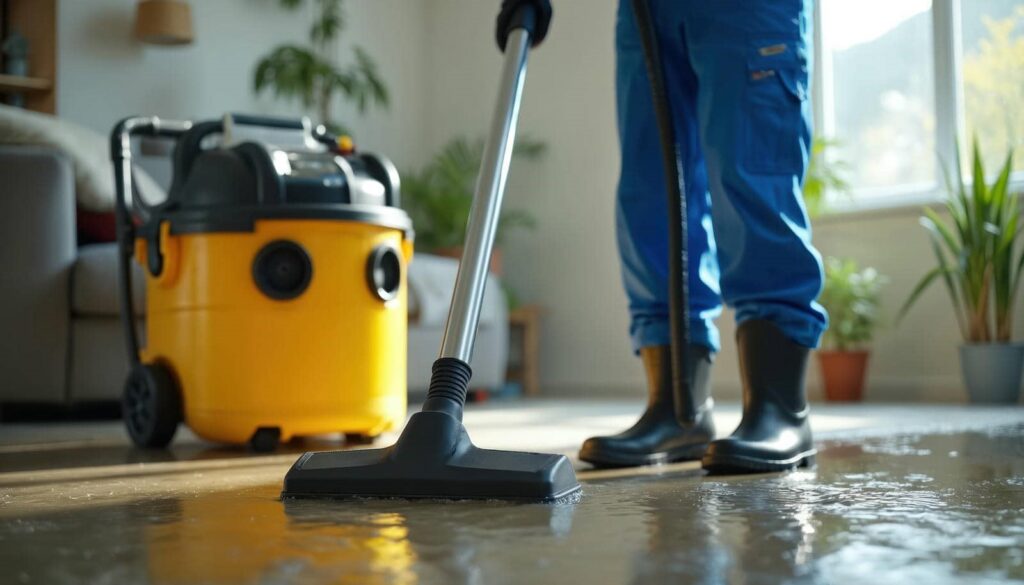
After a flood, the post-flood cleanup process can feel overwhelming, but taking it step by step makes it manageable. Start by evaluating any damage and safety risks before you enter your home. You’ll need the right tools to tackle standing water and prevent mold growth. By understanding the best practices for cleanup, you can protect your space and your health. What’s the first step you should take? Let’s explore that next.
Key Takeaways
- Prioritize safety by checking for electrical hazards and structural integrity before entering the property.
- Use a wet/dry vacuum for efficient water removal and deploy fans to expedite drying.
- Remove contaminated materials quickly to prevent mold growth and clean surfaces with appropriate solutions.
- Document all damage and expenses for insurance claims and consider hiring restoration professionals for a thorough assessment.
- Keep emergency contact information for restoration services and local emergency services readily accessible.
Assessing Flood Damage and Safety Risks
When you begin evaluating flood damage, it’s vital to prioritize safety above all else.
Start by conducting a thorough flood assessment of your property. Look for structural damage, mold, and hazardous materials. Before entering, make sure to check for electrical hazards or gas leaks; it’s better to be cautious than sorry.
Wear protective gear, like gloves and boots, as you navigate through the affected areas. Document the damage for insurance purposes while keeping your own well-being in mind.
Remember, the emotional toll of flooding can be overwhelming, so reach out to friends or support groups who understand what you’re going through.
Taking these safety precautions not only protects you physically but also fosters a sense of community in recovery.
What Tools Do You Need for Cleanup?
Having the right tools can make a significant difference in the efficiency of your post-flood cleanup.
Start with essential supplies like heavy-duty trash bags, rubber gloves, and face masks to protect yourself. Invest in cleanup equipment such as a wet/dry vacuum to remove excess water, and sturdy mops and buckets for further cleaning.
Don’t forget scrub brushes and sponges for scrubbing surfaces. A dehumidifier will help dry out your space more effectively.
If you need to remove damaged items, a pry bar and a utility knife can be invaluable. Having these tools at your disposal not only streamlines the process but also fosters a sense of community as you tackle this challenge together with friends or neighbors.
Flood Cleanup: Steps to Remove Water and Dry Out Your Space
After gathering the necessary tools, it’s time to tackle the water and start the drying process.
Begin with water extraction; use a wet/dry vacuum to remove standing water efficiently. If the water is deep, consider renting a high-capacity pump.
Once you’ve extracted as much water as possible, it’s essential to dry out your space thoroughly. Open windows and doors to improve air circulation, and deploy fans and dehumidifiers to expedite drying.
Remember, the right drying methods can prevent further damage. Monitor the humidity levels, aiming for below 60%.
You’re not alone in this; connecting with neighbors or local resources can provide support during this challenging time. Together, you’ll restore your space and sense of home.
Cleaning and Disinfecting Surfaces to Prevent Mold Growth
After a flood, it’s essential to tackle cleaning and disinfecting surfaces to prevent mold growth.
Start by removing any contaminated materials, then use appropriate cleaning solutions tailored for the affected areas.
Finally, make certain you dry everything thoroughly to create an environment where mold can’t thrive.
Remove Contaminated Materials
Once the waters recede, it’s crucial to act swiftly to remove contaminated materials, as lingering moisture can create an ideal environment for mold growth.
Start by identifying items that can’t be salvaged, such as soaked carpets, drywall, or furniture. Carefully bag these materials, ensuring you use proper disposal methods to minimize health risks.
If you’re unsure about an item, it’s better to err on the side of caution. Dispose of these materials in accordance with local guidelines to keep your community safe.
This careful approach not only protects your home but also fosters a sense of belonging within your neighborhood.
Use Appropriate Cleaning Solutions
To effectively combat mold growth, it’s essential to use appropriate cleaning solutions as you tackle the surfaces in your home.
Choosing the right disinfectant types can make a significant difference. Opt for eco-friendly cleaners that are tough on mold but gentle on your environment.
Here are a few options to evaluate:
- Vinegar: A natural disinfectant that can kill up to 82% of mold species.
- Hydrogen Peroxide: Effective for disinfecting surfaces and removing stubborn stains.
- Baking Soda: Great for scrubbing surfaces and eliminating odors.
Ensure Proper Drying Techniques
Cleaning surfaces and using the right disinfectants is just the beginning; ensuring proper drying techniques is essential in your post-flood cleanup.
Start by controlling humidity levels in your space, as high humidity can breed mold. Invest in effective drying equipment, like dehumidifiers and fans, to promote air circulation. Open windows and doors when possible to enhance airflow, but be mindful of outdoor conditions.
Aim to dry affected areas within 24 to 48 hours to prevent mold growth. Check hidden spaces, like behind walls or under carpets, as moisture can linger there.
Identifying and Treating Mold After a Flood
After a flood, identifying mold is essential for your health and safety.
You’ll want to recognize symptoms like musty odors and visible growth, as these can indicate mold presence.
Once you spot it, using effective removal techniques and taking steps to prevent future growth will help protect your home and family.
Recognizing Mold Symptoms
How can you tell if mold has taken root in your home after a flood? Recognizing mold symptoms is vital for your health and safety.
Different mold types can pose various health risks, including respiratory issues and allergic reactions. Keep an eye out for the following signs:
- Visible growth: Check for dark patches or fuzzy spots on walls, ceilings, and floors.
- Musty odor: A persistent, damp smell may indicate hidden mold infestations.
- Health symptoms: Watch for unexplained sneezing, coughing, or skin irritation, which could signal mold exposure.
If you notice any of these symptoms, it’s essential to act quickly. Your well-being is a priority, and addressing mold promptly can help create a safer, healthier living environment for you and your loved ones.
Effective Mold Removal Techniques
Once you’ve identified mold in your home, taking swift action is essential to prevent further health risks and damage.
Start by wearing protective gear, including gloves and a mask, to safeguard yourself from harmful mold spores. Next, isolate the affected area to prevent spores from spreading.
For small patches, scrub the mold with a mixture of water and detergent or a specialized mold remover. For larger infestations, consider using a bleach solution—one cup of bleach to a gallon of water—ensuring proper ventilation.
Dispose of any porous materials like carpets or drywall that can’t be cleaned thoroughly. Finally, dry the area completely and monitor for future growth, as mold prevention is key to keeping your home safe and healthy.
Preventing Future Mold Growth
Addressing mold immediately after a flood is just the beginning; preventing its return requires ongoing vigilance and proactive measures.
To protect your home and your well-being, implement these mold prevention strategies:
- Maintain humidity control: Keep indoor humidity levels below 50% using dehumidifiers and proper ventilation.
- Inspect regularly: Routinely check areas prone to moisture, like basements and bathrooms, to catch mold growth early.
- Choose mold-resistant materials: When repairing or renovating, opt for mold-resistant paints and building materials to minimize future risks.
When to Call in Professional Flood Restoration Services?
While some small-scale water damage might seem manageable, knowing when to call in professional flood restoration services can make a significant difference in the long-term health of your home.
If you notice extensive damage, mold growth, or structural concerns, don’t hesitate to reach out for expert help. Additionally, if your flood insurance covers restoration costs, it’s wise to use those benefits.
Always keep a list of emergency contacts handy for quick access to restoration professionals. They can assess damage beyond what’s visible and guarantee all affected areas are treated properly.
Frequently Asked Questions
How Long Does It Take for a Home to Dry After a Flood?
Your home’s drying process can take several days to weeks, depending on moisture levels and ventilation. Conducting a thorough moisture assessment helps you understand the extent of damage and plan an effective recovery strategy.
Can I File an Insurance Claim for Flood Damage?
Absolutely, you can file a claim for flood damage! Understanding your insurance coverage is essential, and following the claim process methodically guarantees you secure the support you need during this challenging time. You’re not alone.
What Should I Keep and What Should I Throw Away After Flooding?
You should throw away flood-damaged items like carpets, mattresses, and anything porous. Keep items that can be cleaned and restored, following restoration guidelines to guarantee safety and a sense of belonging as you recover.
How Do I Prevent Future Flooding in My Home?
To prevent future flooding, strengthen your home’s foundation like a fortress. Install effective drainage systems and waterproof barriers. Regularly inspect these defenses, ensuring your sanctuary remains dry, safe, and a haven for belonging.
Are There Any Local Resources for Flood Assistance or Recovery?
Check with local charities and government assistance programs in your area. They often provide resources for flood recovery, offering support and guidance to help you rebuild your life and restore your home after such a devastating event.
Review
As you navigate the aftermath of a flood, remember that each step you take is like a brushstroke on the canvas of recovery. Prioritize safety, arm yourself with the right tools, and tackle the cleanup methodically. While the road may be steep and laden with challenges, your resilience will shine brighter than any waterlogged surface. Don’t hesitate to seek help when needed restoration professionals are the guiding lights that can help you reclaim your space and peace of mind.