
Imagine a homeowner returning to find their basement flooded after a heavy storm, facing the challenging task of restoring their property. To effectively tackle structural drying, it’s essential to employ proven methods that mitigate damage and prevent mold growth. Understanding these techniques can make all the difference in your restoration efforts. What are the best approaches to ensure a safe and healthy living environment? Let’s explore the top methods for efficient structural drying.
Key Takeaways
- Utilize dehumidifiers to effectively remove moisture from the air and building materials for rapid drying.
- Pair drying fans with dehumidifiers to enhance air circulation and promote even evaporation throughout the space.
- Open windows and doors to create cross-ventilation, which aids in accelerating the drying process.
- Employ thermal imaging technology to detect hidden moisture pockets that may require additional attention.
- Invest in high-quality moisture meters to accurately monitor and assess moisture levels during the drying process.
Why Rapid Structural Drying Matters
When water infiltrates a structure, the urgency of rapid structural drying can’t be overstated, as it directly influences the extent of damage and the speed of recovery.
Delaying this process can lead to significant moisture problems, including mold growth and structural degradation. These issues not only compromise the integrity of the building but also pose serious health impacts to occupants.
You may experience respiratory issues, allergies, or other health concerns linked to prolonged exposure to damp environments.
By prioritizing swift-drying methods, you protect your property and safeguard the well-being of those living within.
Understanding the importance of immediate action helps create a safer, healthier living space and fosters a sense of community responsibility.
Proven Techniques for Efficient Structural Drying After Flooding
Effective structural drying after flooding requires a combination of established techniques that quickly remove moisture and prevent further damage.
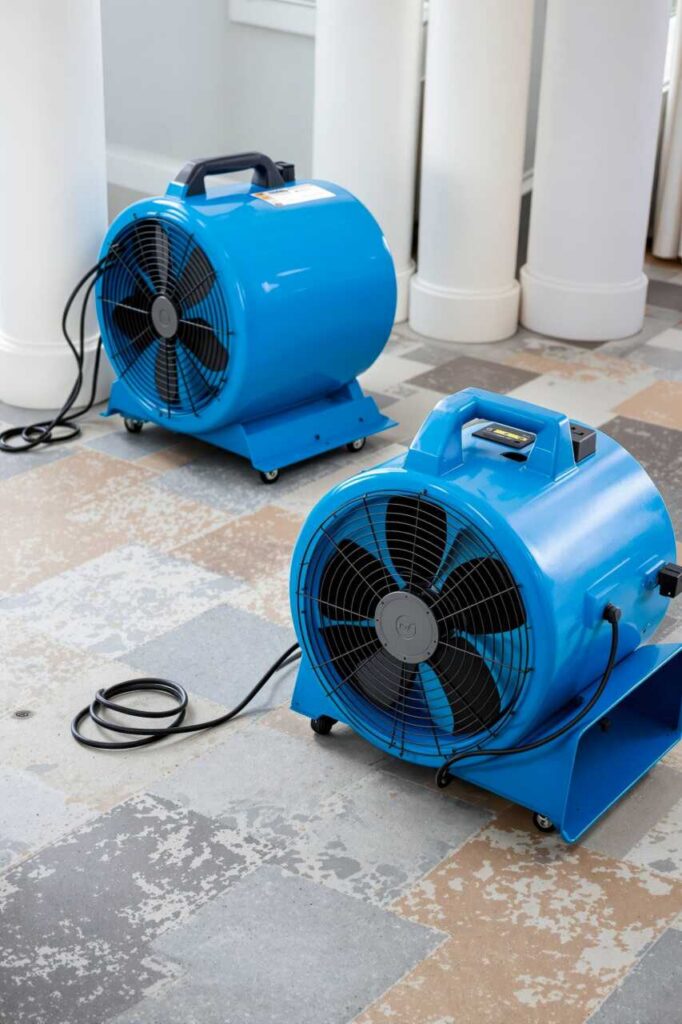
One proven method is using dehumidifiers, which greatly enhance moisture removal from the air and materials. Pair this with fans to improve air circulation, ensuring that all surfaces dry evenly.
You should also open windows and doors when possible to promote cross-ventilation, allowing fresh air to aid in the drying process.
Another technique involves using thermal imaging to identify hidden moisture pockets, ensuring no area is overlooked.
By implementing these strategies, you facilitate efficient drying and foster a safer environment, preventing mold growth and structural issues.
These techniques unite you with a community that values effective recovery after flooding.
Essential Tools for Structural Drying Success
To achieve successful structural drying after flooding, having the right tools at your disposal is essential. First, invest in high-quality moisture meters to accurately assess the moisture content in various materials. These devices help identify problem areas that need immediate attention, ensuring you tackle hidden moisture effectively.
Next, utilize powerful drying fans to improve air circulation and expedite the evaporation process. Position these fans strategically to create a cross-draft, enhancing their efficiency. Additionally, consider dehumidifiers to lower humidity levels, further supporting the drying process.
Frequently Asked Questions
How Long Does Structural Drying Typically Take After Flooding?
Structural drying typically takes between three and seven days, but drying time can vary considerably based on drying factors like humidity, temperature, and airflow. You’ll want to monitor conditions closely for best results.
What Are the Health Risks of Mold During the Drying Process?
Mold exposure can trigger health symptoms, including respiratory issues and allergic reactions. During drying, ensure proper ventilation and moisture control to minimize these risks and protect your well-being.
Can I Stay in My Home During Structural Drying?
You shouldn’t stay in your home during structural drying if conditions aren’t safe. Elevated moisture levels can promote mold growth, compromising air quality. Prioritize your health by ensuring a safe environment while drying occurs.
How Can I Prevent Future Flooding in My Property?
To prevent future flooding, implement effective drainage solutions and ensure proper landscape grading around your property. These measures direct water away, reducing risks and maintaining your home’s safety and value for you and your family.
Summary
Just like a diligent gardener tending to a flooded garden, you must act swiftly to restore your home after flooding. By harnessing powerful dehumidifiers, strategically placing high-velocity fans, and utilizing thermal imaging technology, you’re not just drying structures; you’re nurturing your living space back to health. Embrace these methods, as they’re the seeds you plant for a mold-free future. With your commitment, you’ll cultivate a safe haven, ensuring comfort and peace of mind for you and your family.