
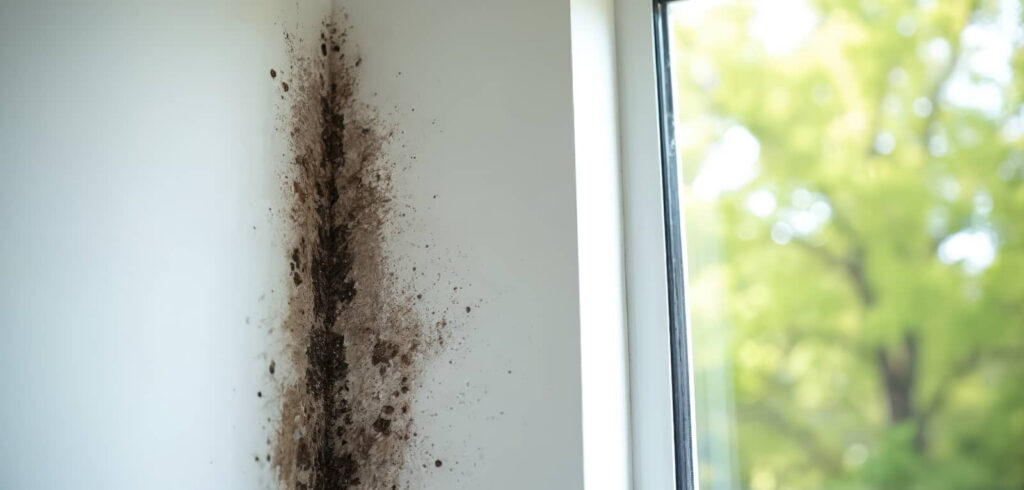
A small pipe leak can turn into a major mold problem almost overnight. Mold cleanup requires fast action because moisture can hide in drywall, insulation, and subfloors, where mold can spread before you see it. If you wait, cleanup gets harder, repairs cost more, and indoor air quality can suffer. Knowing what to look for and how remediation works can help you limit damage before it gets out of control.
Key Takeaways
- Mold can grow within 24 to 48 hours after pipe damage, so fast cleanup prevents spreading.
- Water often hides in drywall and insulation, creating unseen mold even when surfaces look dry.
- Mold exposure can cause musty odors, stains, and respiratory irritation like coughing or sneezing.
- Professional remediation finds hidden moisture, contains contamination, and removes damaged materials safely.
- Delayed cleanup increases repair costs, structural damage, and the chance of needing replacements.
Why You Should Start Mold Cleanup Immediately
If you wait to start mold cleanup after pipe damage, the problem can spread quickly through drywall, insulation, and framing.
You need to act fast because lingering moisture creates ideal conditions for mold growth within 24 to 48 hours. When you remove wet materials, dry the area, and control humidity right away, you limit damage and keep your home safer for everyone inside.
Quick cleanup also reduces health risks linked to spores, such as respiratory irritation and allergic reactions.
You’re not handling this alone; you can bring in a qualified restoration team that understands water intrusion, containment, and sanitation.
How Pipe Damage Causes Hidden Mold
Pipe damage often creates hidden mold because water rarely stays where you can see it. When a pipe leaks, bursts, or drips behind walls, moisture wicks into drywall, insulation, framing, and subfloors.
You may dry the surface, but hidden moisture can remain trapped in cavities where airflow is poor. That damp environment gives mold spores the water and temperature they need to grow fast.
Once colonies start, they can spread through porous materials and stay active long after the pipe is fixed. You’re not alone in facing this problem; it happens in many homes.
The key is understanding that visible dryness doesn’t always mean the structure is safe. Careful inspection, moisture measurement, and prompt drying help stop hidden mold before it becomes a larger cleanup.
Signs You Need Mold Remediation Fast
Wondering whether the damage has gone beyond a simple cleanup? You should act fast if you notice a persistent musty odor, visible mold growth on drywall or trim, or discoloration that keeps returning after drying.
Softened materials, peeling paint, warped baseboards, and damp insulation also signal trouble. If you or your family start coughing, sneezing, or experiencing irritated eyes after the leak, don’t ignore it; those health risks can increase when spores spread indoors.
Check closets, under sinks, behind furniture, and around flooring seams, because hidden moisture often feeds mold in shared living spaces.
When odor, staining, and symptoms appear together, your home needs prompt mold remediation. Quick action helps protect your space, your routine, and everyone who belongs there.
What a Professional Mold Cleanup Covers
When the warning signs point to more than surface damage, a professional mold cleanup targets the full affected area, not just what you can see.
You get a step-by-step process that starts with mold inspection techniques to locate hidden growth behind walls, under flooring, and around damp framing.
The team then contains the space, removes contaminated materials, and cleans salvageable surfaces with professional equipment designed for capture, filtration, and safe disposal.
You’ll also see moisture source checks, so the area dries to proper levels before work wraps up.
This approach protects nearby rooms, limits cross-contamination, and gives you a clear path back to a healthy, livable space.
When your home needs it, you’re not handling it alone; you’re working with trained specialists who know the process.
Why Delaying Mold Cleanup Increases Costs
Delaying mold cleanup after pipe damage usually makes the repair bill climb, because moisture keeps feeding growth and spreads damage into materials that could have been saved.
When you wait, mold growth can move behind walls, under flooring, and into insulation, which means more labor, more demolition, and more disposal fees. You also face higher cost implications if structural wood, drywall, or HVAC components need replacement instead of drying and cleaning.
Quick action helps you protect your space and stay part of a community that values safe, healthy homes. A prompt response also limits odors, contamination, and secondary water damage.
Frequently Asked Questions
Can Mold Return After the Pipe Is Repaired?
Yes, mold can return after you repair the pipe if moisture remains. You’ll need mold prevention strategies like drying, ventilation, and inspection, because pipe repair consequences can include hidden dampness that lets mold regrow.
How Long Does Mold Cleanup Usually Take?
Mold cleanup usually takes one to five days, depending on mold growth and moisture levels. You’ll spend time on containment, removal, drying, and verification. Larger jobs can take longer, especially if materials need replacing.
Do I Need to Move Out During Mold Remediation?
You don’t always need to move out; like a storm shelter, it depends on exposure. For mold health and remediation safety, you may stay if containment’s strong, but you’ll leave during heavy dust, odor, or HVAC work.
Is Mold Cleanup Covered by Homeowners Insurance?
Usually, yes if a covered leak caused it, but you’ll need to check your mold insurance policy, because coverage limits, exclusions, and deductibles vary. You can reduce surprises by filing promptly and documenting damage thoroughly.
Can I Clean Small Mold Spots Myself?
Yes, you can clean small mold spots yourself if you wear gloves, use DIY cleaning with detergent and water, dry the area fast, and follow mold prevention tips so you don’t create a recurring problem.
Conclusion
After pipe damage, you can’t assume the problem ends when the water stops. Moisture may still be hiding behind drywall, under flooring, and inside insulation, quietly feeding mold growth within 24 to 48 hours. If you wait, you risk more damage, higher repair costs, and unhealthy air. Act fast, inspect thoroughly, and get mold cleanup started before the hidden threat spreads further through your home.