
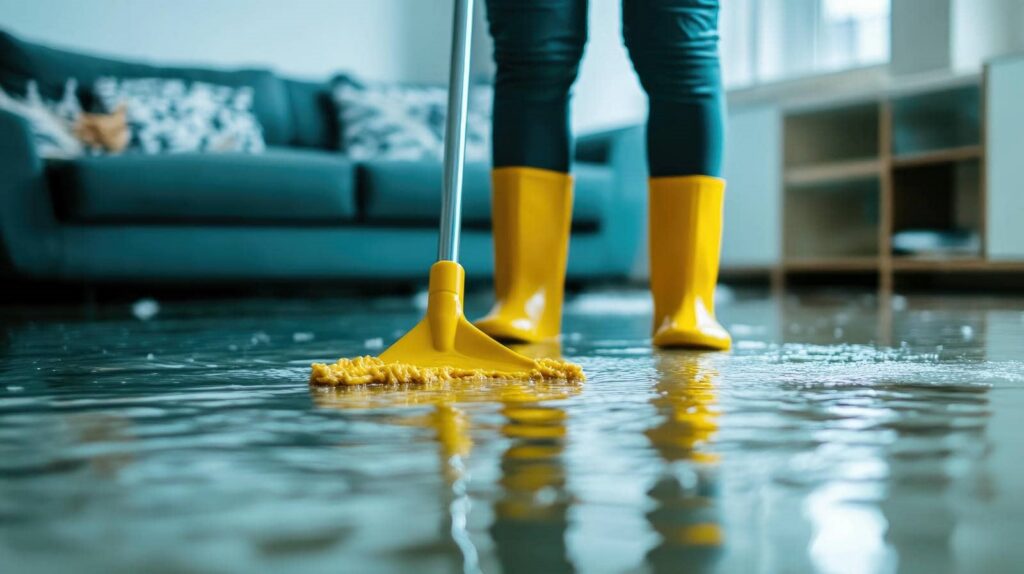
Imagine standing in a room where water seeps through the walls, leaving a trail of destruction in its wake. Understanding the nuances of your water damage insurance policy can be the difference between financial relief and a costly setback. It’s crucial to know what your policy covers and what it doesn’t. By grasping these five critical tips, you’ll be better equipped to navigate the complexities of your coverage effectively. What comes next might surprise you.
Key Takeaways
- Review your insurance policy for specific exclusions, such as flooding and neglect, to understand your coverage limitations.
- Ensure your coverage limits are adequate for potential water damage you may face in your area.
- Document any water damage thoroughly with clear photographs and lists of affected items to support your claims.
- Consider additional endorsements for coverage like sewer backups, which may not be included in standard policies.
- Consult with an insurance agent to align your policy with local risks and ensure comprehensive water damage protection.
How to Decode Your Water Damage Insurance Policy
How can you be certain you’re fully covered for water damage? Start by carefully reviewing your insurance policy.
Look for policy exclusions, as these could limit your coverage greatly. Common exclusions might include damage from flooding or neglect, so it’s essential to know what’s not covered.
Next, check your coverage limits; verify they’re adequate for potential damages you might face. If your policy only covers a fraction of the repair costs, you could be left vulnerable.
Take note of specific terms, as they can impact your claims process. Understanding these details not only empowers you but also fosters a sense of security within your community.
Essential Types of Water Damage Covered by Your Policy
Understanding the essential types of water damage covered by your insurance policy is important for effective risk management. Most policies typically cover sudden and accidental incidents, but the specifics can vary.
Flood damage, often caused by external sources, isn’t usually included in standard coverage; you might need a separate flood insurance policy for that.
On the other hand, sewer backup can lead to significant issues and may be covered under specific endorsements.
It’s imperative to know these distinctions to guarantee you’re adequately protected. Review your policy carefully and consider discussing options with your insurance agent.
That way, you can align your coverage with potential risks specific to your area, fostering a sense of security within your home.
Document Damage for Your Insurance Claim
When water damage occurs, documenting the extent of the damage is essential for a successful insurance claim. Start by conducting a thorough damage assessment.
Take clear photographs that capture the affected areas, including any visible mold, structural issues, or personal property damage. Make a list of damaged items, noting their condition and value. This claim documentation will support your case and demonstrate the severity of the situation.
Additionally, gather any relevant receipts or warranties for damaged belongings. Your insurance company will appreciate a well-organized submission, which can expedite the claims process.
How to Prevent Future Water Damage
After documenting the damage for your insurance claim, it’s important to take proactive measures to prevent future water damage.
Start by installing flood barriers around your property; they can effectively redirect water away from your foundation during heavy rains.
Additionally, consider investing in a sump pump, especially if your home is prone to flooding. A sump pump can remove excess water from basements or crawl spaces, reducing the risk of moisture buildup.
Regular maintenance of your plumbing system is vital—check for leaks and repair them promptly.
Finally, make sure your gutters and downspouts are clear and functioning properly to avoid overflow.
When to Call in Mold Remediation Experts
How can you tell if it’s time to bring in mold remediation experts? If you notice mold growth in your home, it’s vital to act swiftly.
Visible patches of mold, a musty odor, or health issues among residents are strong indicators that professional help is needed. An expert assessment can determine the extent of the mold problem and whether it poses health risks.
If the affected area is larger than 10 square feet, or if the mold has penetrated walls or ceilings, don’t hesitate to call in specialists. They’ll not only remove the mold but also help prevent future infestations.
Prioritizing safety and restoring your living environment is essential, so trust the professionals when mold becomes a concern.
Frequently Asked Questions
Does My Policy Cover Water Damage From a Natural Disaster?
Your policy might not cover water damage from a natural disaster, depending on its specific limitations. Review your coverage details carefully to understand what’s included and consider adding supplemental coverage for better protection.
How Long Do I Have to File a Water Damage Claim?
You typically have one to two years to file a water damage claim, depending on your policy. Understanding claim deadlines is essential in managing the filing process efficiently and ensuring you receive the coverage you deserve.
Will My Premiums Increase After Filing a Water Damage Claim?
Yes, your premiums might increase after filing a water damage claim. Insurers often adjust premiums based on claim frequency, so multiple claims can lead to higher rates, affecting your overall insurance costs in the long run.
Are There Any Exclusions for Specific Types of Water Damage?
In the world of insurance, exclusions lurk like shadows. Flood damage and sewer backup often aren’t covered. You’ll want to thoroughly review your policy to understand what’s excluded and guarantee you’re adequately protected.
Can I Choose My Own Contractor for Repairs?
Yes, you can usually choose your own contractor for repairs. However, it’s essential to review your policy for any contractor selection guidelines, as they may influence the repair process and reimbursement eligibility.
Final Thoughts
In conclusion, understanding your water damage insurance policy is essential to safeguarding your home. By decoding your coverage, meticulously documenting damage, and implementing preventive measures, you can greatly reduce future risks. Remember, maneuvering through the complexities of insurance can feel like solving a Rubik’s Cube blindfolded, but with the right approach, you can master it. Don’t hesitate to consult experts when needed; doing so can save you time, money, and immense stress in the long run.