
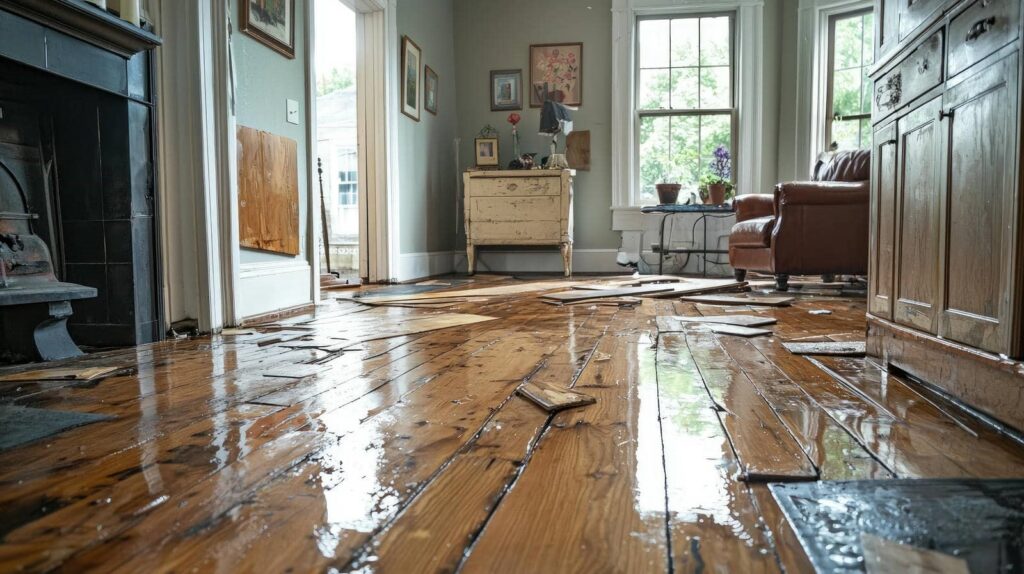
When a flood strikes, following the proper cleanup steps is vital for your safety and well-being. Ignoring these steps can lead to mold growth, property damage, and health risks. Taking timely action protects your space and gives you peace of mind. Understanding the right approach can make a significant difference in your recovery process. But what are those essential steps that could safeguard your home and health?
Key Takeaways
- Following these steps ensures safety by minimizing health risks from hazards like mold and contaminated water.
- Timely cleanup prevents further structural damage and reduces repair costs, saving time and resources.
- Documenting damage aids in securing insurance claims, providing financial support for recovery efforts.
- Engaging with the community fosters support and resources, enhancing the overall recovery experience.
- Properly assessing and addressing damage helps restore a safe living environment for you and your family.
Your Step-By-Step Flood Cleanup Guide
When you find yourself facing the aftermath of a flood, it’s essential to act quickly and methodically to ensure your safety and restore your home.
Start by gathering your emergency supplies—flashlights, first aid kits, and protective gear are vital. Before entering your home, check for structural damage and avoid any standing water. Document everything with photos for your insurance claims; this could simplify your recovery process.
Once you’re safe, begin the cleanup by removing water-damaged items and drying out affected areas. It’s understandable to feel overwhelmed, but remember, you’re not alone.
Reach out to your community for support and share resources that can help each other through this challenging time. Together, you can rebuild and heal.
Essential Safety Tips You Need Before Cleanup
Before you immerse yourself in the cleanup, it’s vital to prioritize safety to protect yourself and your loved ones.
Start by wearing protective gear—gloves, boots, and masks—to shield against contaminants. Always verify the electricity is turned off in affected areas to prevent shocks.
Check for structural damage before entering your home; it’s essential for flood safety. Keep a first aid kit nearby and know how to reach emergency services if needed.
Stay informed about potential hazards, like mold, which can develop quickly. Remember, having a plan for emergency preparedness makes all the difference.
Why Timely Cleanup Matters?
Timely cleanup after a flood is essential to prevent mold growth, which can pose serious health risks.
Acting quickly also helps minimize structural damage, saving you time and money in the long run.
Your health and safety depend on addressing the aftermath swiftly and efficiently.
Prevent Mold Growth
Since mold can begin to develop within 24 to 48 hours after flooding, acting quickly is essential for your health and safety.
To prevent mold growth, start with a thorough mold inspection of your space. Look for damp spots and any signs of mold, even in hidden areas.
After that, focus on humidity control; ideally, keep indoor humidity levels below 60%. Use dehumidifiers and fans to circulate air and dry out affected areas.
Remember, it’s about cleaning up water and ensuring your environment is safe for you and your loved ones.
Minimize Structural Damage
When floodwaters invade your home, acting quickly can greatly minimize structural damage. The longer water sits, the more jeopardized your home’s structural integrity becomes.
Start with a thorough damage assessment; identify affected areas and prioritize your actions. Remove standing water and wet materials as soon as possible to prevent warping, mold, and further deterioration.
Don’t hesitate to reach out to professionals if the situation feels overwhelming. Remember, your home is more than just a structure; it’s where you create memories.
Enhance Health Safety
Acting quickly after a flood is essential for maintaining health safety in your home. Delaying cleanup exposes you and your family to various health risks, including mold growth and contaminated water.
By following proper safety protocols, you can protect your loved ones and restore your space effectively. Here are key actions to take:
- Wear protective gear like gloves and masks.
- Remove standing water promptly to prevent bacteria growth.
- Dry out affected areas within 24-48 hours.
- Discard any damaged materials that can’t be cleaned.
- Monitor for mold and act swiftly if it appears.
Common Mistakes to Avoid During Flood Cleanup
When you’re faced with flood cleanup, it’s easy to overlook important safety measures or delay critical tasks.
Ignoring these common mistakes can lead to bigger problems down the line, like mold growth.
Let’s explore what to avoid to ensure a safe and effective recovery.
Ignoring Safety Precautions
Failing to prioritize safety during flood cleanup can lead to serious injuries or health risks. You must take precautions to protect yourself and those around you. Always wear appropriate safety gear and follow emergency procedures.
Here are some essential tips to keep in mind:
- Use gloves to prevent contact with contaminated water.
- Wear waterproof boots to protect your feet from hazards.
- Use a mask to avoid inhaling mold spores or dust.
- Confirm electrical systems are shut off before entering flooded areas.
- Keep a first-aid kit handy for any minor injuries.
Delaying Water Removal
Delaying water removal can exacerbate damage and lead to more significant health risks, so it’s essential to act quickly.
When you wait too long to respond, the water damage can worsen, affecting your belongings and the structure of your home. Every moment counts.
A delayed response can create a breeding ground for mold and other harmful contaminants, putting your family’s health at risk.
It’s important to gather your resources and start the cleanup process as soon as it’s safe. Reach out for help if needed, and don’t hesitate to seek professional assistance.
Overlooking Mold Prevention
Ignoring mold prevention during flood cleanup can lead to serious health issues and costly repairs.
Mold spores thrive in moist environments, making it vital to control moisture effectively.
Here are some common mistakes to avoid:
- Not drying out affected areas thoroughly
- Failing to remove wet materials like carpets and drywall
- Neglecting to use dehumidifiers and fans
- Overlooking hidden spaces where moisture can linger
- Skipping professional mold inspections if needed
When to Call in the Professionals for Flood Cleanup?
When a flood leaves your home in disarray, knowing when to call in professionals can make all the difference in your recovery.
If you’re facing extensive flood damage, it’s essential to seek a professional assessment. They can evaluate structural integrity, identify hidden hazards, and determine the best cleanup strategies.
Don’t hesitate if water damage is significant or if mold begins to develop; both situations require expert intervention.
Professionals have the right tools and expertise to safely handle the aftermath, ensuring your home returns to a safe and livable condition.
Remember, you’re not alone in this process. Reaching out for help shows strength and a commitment to restoring your space and well-being.
You deserve a home that feels secure again.
Preventing Future Flooding and Mold
Although recovering from a flood can be overwhelming, taking proactive steps now can greatly reduce the risk of future flooding and mold growth in your home.
Implementing effective strategies will help create a safer, healthier environment for you and your loved ones. Consider the following actions:
- Use flood-resistant materials for renovations.
- Install proper drainage solutions around your property.
- Regularly check and clean gutters and downspouts.
- Seal cracks in walls and foundations to prevent water intrusion.
- Maintain low landscaping near your home to divert water.
Frequently Asked Questions
What Personal Protective Equipment Should I Wear During Flood Cleanup?
You should wear rubber gloves for protection and waterproof boots to keep your feet dry. Choose sturdy, non-slip styles to ensure safety while traversing through potentially hazardous areas during flood cleanup. Stay safe out there!
How Long Does Flood Cleanup Usually Take?
Typically, flood cleanup lasts a few days to a couple of weeks, depending on the flood duration and damage. Staying organized helps you stick to a cleanup timeline, making the process smoother and more manageable.
Can I Use Electrical Appliances After a Flood?
You shouldn’t use electrical appliances after a flood until you’ve completed a thorough appliance inspection. Prioritize flood safety—check for damage, and consult a professional if you’re unsure. Your safety and well-being matter most.
What Should I Do With Contaminated Items?
Some flood victims face health issues from contaminated items. Carefully dispose of these items using local disposal methods, ensuring you protect yourself and your community. Don’t hesitate to seek help if needed.
How Can I Identify Structural Damage After Flooding?
To identify structural damage after flooding, conduct a flood damage assessment. Look for cracks, warping, or sagging in beams and floors. A thorough structural integrity evaluation will help you determine necessary repairs and ensure safety.
Recap
Flood cleanup might seem like a hassle, but ignoring the steps can turn a minor inconvenience into a major disaster. It’s ironic how you can save time and money by investing a little effort up front. By following the outlined steps, you protect your home and your health. So, while it may feel tedious to document damage and wear protective gear, remember: the real hassle comes from the mold and repairs you could’ve avoided.