
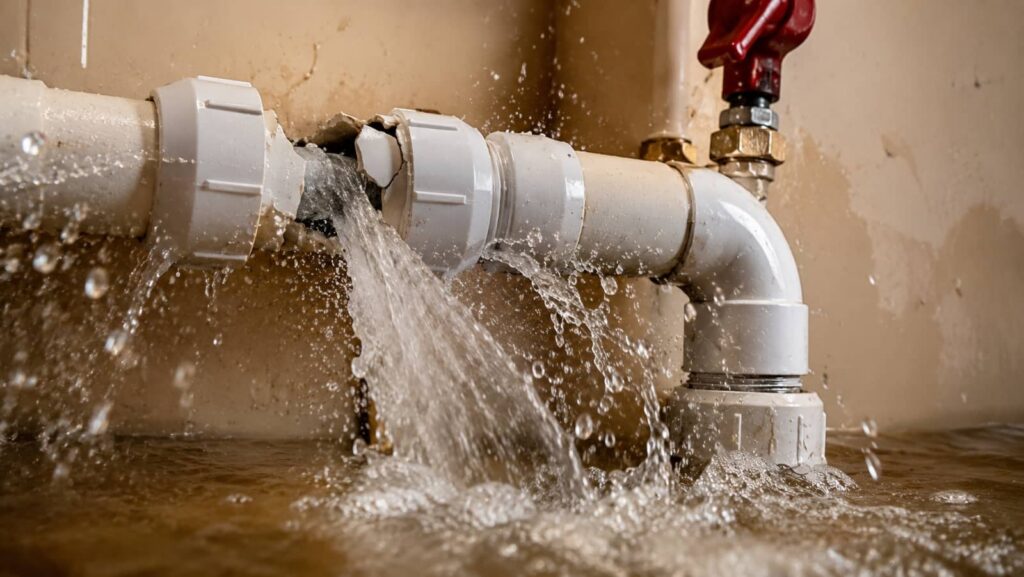
When a pipe bursts, you need to act fast because water doesn’t stay put. Burst Pipes can send water into drywall, flooring, insulation, and hidden cavities, where damage can escalate quickly. If you shut off the supply and start extraction right away, you can limit structural loss and reduce mold risk. The real difference often comes down to the first few minutes, and what you do next can determine how much of your home is affected.
Key Takeaways
- Burst pipes spread water quickly into walls, floors, and insulation, causing damage fast.
- Immediate cleanup limits warping, swelling, staining, and hidden structural deterioration.
- Fast extraction reduces moisture that can lead to mold growth and corrosion.
- Quick action protects electrical systems, HVAC components, and other household materials.
- Professional drying and repair help restore safe conditions and reduce overall disruption.
Why Burst Pipes Need Fast Cleanup
When a pipe bursts, you need to act fast because water can spread quickly into walls, floors, and insulation, causing immediate structural damage and creating conditions for mold growth.
You should shut off the main supply, then start an emergency response that protects your home and keeps you in control. Quick cleanup limits staining, swelling, and hidden deterioration, so you can avoid bigger repairs later.
The sooner you call for pipe repair, the sooner a technician can stop the source and restore safe conditions. You’re not facing this alone; fast action puts you back with your home’s care team and reduces disruption.
Prioritize extraction, drying, and inspection right away, because delay lets damage become harder and more expensive to correct.
How Water Damage Spreads After a Burst Pipe
Once a pipe bursts, water doesn’t stay where you first see it—it moves fast through gaps, seams, and openings in your home’s structure.
You’ll often notice the initial water flow pooling nearby, but it can also travel behind walls, under flooring, and into insulation.
That hidden spread changes the damage timeline quickly, because moisture keeps feeding materials long after the leak starts.
Drywall swells, wood absorbs water, and metal fixtures can corrode.
In your space, this can affect shared living areas, making the problem feel bigger than one spot.
The sooner you understand where water has moved, the better you can protect your home’s structure and restore normal conditions with confidence.
What to Do Right After a Burst Pipe
First, shut off the main water supply to stop the flow and limit further damage.
Then, contain the water with towels, buckets, or plastic sheeting to protect nearby flooring, walls, and belongings.
If it’s safe, move items away from the wet area and keep the space clear for cleanup.
Shut Off Water
Cut the water supply off immediately to stop the leak from worsening and reduce structural damage.
Locate your emergency shut off valve, then turn it clockwise until it stops. If you can’t find it, check the meter box or the main line near your plumbing system. This quick move protects your home and keeps your household in control.
- Verify the valve is fully closed.
- Note where leak detection first showed moisture.
- Tell everyone in the home to avoid fixtures.
- Call a licensed plumber for inspection.
You’re not handling this alone; fast action is the standard response for a burst pipe.
Keep calm, act methodically, and you’ll limit escalation while you wait for professional help and next steps.
Contain Water Damage
With the water supply shut off, you can focus on limiting the damage already in progress. Move valuables, electronics, and rugs out of the wet zone, then place towels, mops, or a wet vac around the source for water containment.
Open nearby windows and doors if conditions allow, and run fans to support moisture control. If water is spreading through walls, floors, or ceilings, shut off power to affected areas and avoid stepping into standing water.
You’re not alone here; quick, organized action helps protect your space and keeps the cleanup manageable. Document visible damage with photos for your records, then contact a restoration team if the leak soaked drywall, insulation, or flooring.
Fast containment now can prevent mold, structural wear, and higher repair costs later.
Why Water Extraction Matters Right Away
You need immediate water extraction to stop moisture from spreading into flooring, drywall, and insulation.
Fast removal reduces the load on building materials and lowers the risk of warping, swelling, and joint failure.
The sooner you extract the water, the better you protect the structure and limit repair scope.
Immediate Water Removal
When a pipe bursts, fast water extraction limits how far moisture can spread into floors, drywall, insulation, and structural framing. You need immediate action because every minute matters, and your emergency response sets the pace for recovery.
Our team uses proven water removal techniques to clear standing water, lower humidity, and create a stable indoor environment. That quick control helps you stay ahead of lingering dampness and reduces the disruption to your home.
- Remove visible water from surfaces.
- Open pathways for airflow.
- Monitor hidden moisture pockets.
- Confirm drying progress with readings.
You’re not facing this alone; a coordinated cleanup crew gives you a clear plan and steady support. Fast removal keeps conditions manageable and helps you move forward with confidence.
Preventing Structural Damage
Fast water extraction helps stop structural materials from absorbing moisture and losing strength. You protect framing, subfloors, and drywall when you remove standing water right away and dry hidden cavities fast.
Your team can check pipe insulation, improve moisture barriers, and verify drainage solutions so water won’t linger near load-bearing areas. Consistent plumbing maintenance and stable temperature regulation also reduce future rupture risks.
During home inspections, you’ll spot early warping, staining, and soft spots before they spread. Water alarms give you an immediate warning, while clear emergency plans help you act without delay.
When you respond quickly, you limit swelling, mold growth, and costly repairs, and you keep your home safer, sturdier, and ready for the people who live there.
How to Dry Out Water Damage Fully
To dry out water damage fully, remove standing water immediately, then set up controlled air movement and dehumidification to pull moisture from walls, floors, and hidden cavities.
You’ll protect your space best when you pair moisture assessment with targeted drying techniques, not guesswork. Stay methodical, and you’ll move with the same confidence as a skilled crew.
- Check wet materials with a meter, not your hand.
- Open access points so air reaches trapped pockets.
- Keep fans and dehumidifiers running until readings normalize.
- Recheck daily, adjusting placement as drying slows.
You’re not doing this alone; a disciplined process helps your home recover faster and cleaner.
Finish only when surfaces, subfloors, and framing read dry throughout.
How to Prevent Mold After Cleanup
After cleanup, you’ll prevent mold by eliminating every source of lingering moisture and keeping humidity low until the structure stabilizes.
Run dehumidifiers continuously, open airflow paths, and inspect hidden cavities, baseboards, and subfloors for dampness. You should monitor readings daily, because stable materials help your home recover as a team effort.
Use mold prevention checks on surfaces, insulation, and trim, and repeat cleanup strategies if any area feels cool, musty, or soft.
Replace wet filters, dry tools between uses, and seal off zones that stay wet longer than expected.
If you stay disciplined now, you’ll protect indoor air quality and keep your space safe, comfortable, and ready for everyone who belongs there.
What Cleanup Removes From Your Home
Cleanup removes contaminated water, damaged materials, and hidden moisture from your home before they can spread further harm. You can count on thorough damage assessment to identify what’s salvageable and what needs removal.
Teams use targeted cleaning techniques to clear debris, sanitize affected surfaces, and lift residues that trap odors and contamination.
- Standing water from floors, carpets, and subfloors
- Wet drywall, insulation, and warped trim
- Soil, bacteria, and other contaminants left behind
- Hidden dampness in cavities, seams, and baseboards
This process helps you regain a clean, stable space without guesswork. You’re not facing the mess alone; the cleanup plan gives your home a clear path back to normal conditions, with each step focused on precision and safety.
How Mitigation Protects Your Home
Mitigation protects your home by stopping burst-pipe damage from spreading into drywall, framing, flooring, and electrical systems. You limit absorption fast, so moisture can’t keep wicking through materials or feeding hidden deterioration.
You use mitigation techniques like water extraction, targeted drying, and controlled airflow to stabilize the space and reduce secondary damage. That means you protect finishes, preserve structural strength, and lower the chance of unsafe conditions in your home.
When you act quickly, you stay ahead of swelling, staining, and corrosion, and you keep repair needs smaller. This kind of home protection also helps your household feel secure again, because you’re taking clear, effective steps that defend the place you belong.
When to Call Cleanup Experts
Even with fast mitigation, some burst-pipe situations need professional cleanup support to prevent long-term damage. You should call experts when water reaches drywall, insulation, or subflooring, because hidden moisture can spread fast.
Their expert assessment helps you choose the right cleanup timing and avoid mold, warping, or structural decay. You’re not overreacting; you’re protecting your home and the people in it.
- Standing water remains after shutoff.
- Water touched electrical systems or HVAC components.
- Odors, staining, or swelling appear within hours.
- The leak affected multiple rooms or levels.
A trained team uses moisture meters, extraction tools, and drying plans to stabilize the area efficiently.
When you bring in help early, you join homeowners who handle damage with confidence and keep recovery on track.
Frequently Asked Questions
How Do I Shut off the Main Water Supply Quickly?
Find your home’s main water shutoff valve, usually near the meter, basement, or where the line enters, then turn it clockwise until it stops. Follow emergency procedures, and you’ll protect your space quickly, confidently, together.
Can Burst Pipe Cleanup Affect My Insurance Claim?
Yes—cleanup can affect your insurance claim like a timer on a leak. You’ll protect your insurance policy by documenting damage, drying fast, and preserving evidence, so the claim process stays smooth and you’re covered.
Should I Move Furniture Before Cleanup Starts?
Yes, move furniture if you can safely do it. Prioritize cleanup priorities and furniture protection by lifting items onto blocks or moving them to a dry area, then follow your team’s guidance for efficient restoration.
How Long Does Professional Drying Usually Take?
Professional drying usually takes 2 to 5 days, depending on damage, drying techniques, and moisture assessment. You’ll get clear progress updates, and your team’ll work efficiently to help you feel supported throughout restoration.
Are Sewage Odors Possible After a Burst Pipe?
Yes—if wastewater backs up, you can get sewage odors; 1 in 3 water incidents involves hidden contamination. You’ll need fast sewage contamination cleanup and odor removal, and you won’t face this alone.
Wrap-Up
Fast cleanup after a burst pipe protects your home from escalating damage. Water can begin spreading into drywall, flooring, and insulation within minutes, making extraction and drying urgent. According to the Insurance Information Institute, water damage and freezing claims account for many homeowners’ insurance losses, showing how common and costly these events can be. If you act quickly and call cleanup experts when needed, you’ll reduce repairs, limit mold risk, and restore your home faster.