
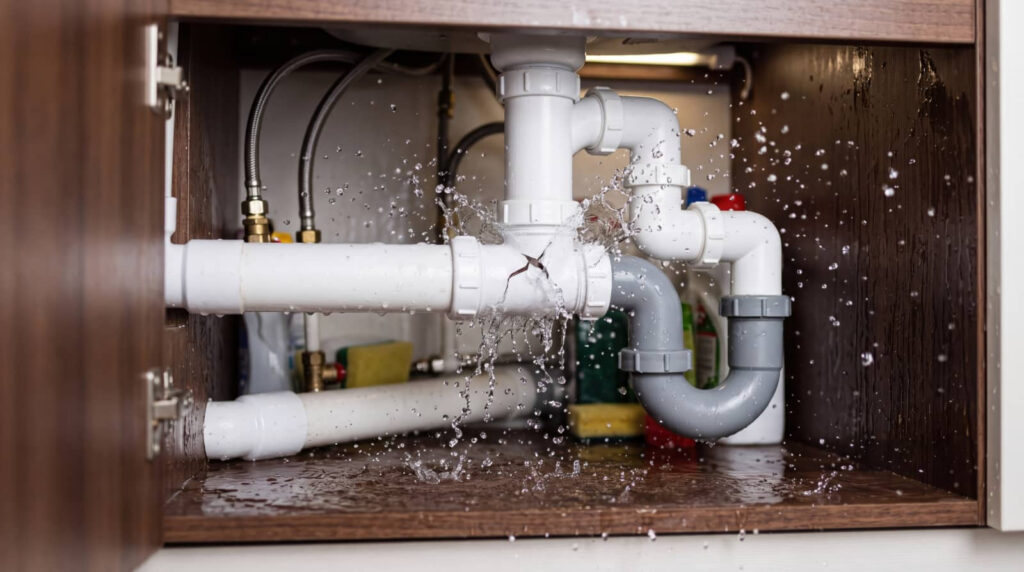
When water hits your home, you need to act fast to limit structural damage and mold growth. Fast water damage recovery starts with shutting off the source, removing standing water, and drying the area right away. It’s also smart to document everything for your insurance claim before cleanup changes the scene. But stopping visible damage is only the first step, because hidden moisture can still create problems later.
Key Takeaways
- Shut off the water source, cut electricity if safe, and remove standing water immediately.
- Open windows, run fans, and use dehumidifiers to speed drying and reduce moisture.
- Document damage with photos, videos, receipts, and notes for insurance claims.
- Clean and disinfect affected surfaces promptly, wearing protective gear to prevent mold exposure.
- Find and repair leaks, test hidden areas for mold, and keep humidity below 60%.
Stop Water Damage Fast
To stop water damage fast, you need to act immediately: shut off the water source, cut electricity to affected areas if it’s safe, and remove standing water as soon as possible.
Then you can protect your home’s structure by opening windows, running fans, and drying damp surfaces with clean towels.
Check walls, floors, and baseboards for hidden moisture so you don’t let damage spread.
Keep essential tools, gloves, and absorbent materials in emergency kits so you’re ready when trouble hits.
When you use preventative measures like inspecting hoses, sealing leaks, and testing shutoff valves, you reduce risk and stay in control.
You’re not dealing with this alone; quick, steady action helps your home recover and keeps your household safer.
Document Damage for Insurance
Once you’ve stopped the water source and started drying the area, record everything for your insurance claim.
Take clear photos and short videos of every affected room, including walls, floors, furniture, and damaged belongings. Keep receipts for emergency services, materials, and temporary housing, because these document types support insurance claims.
Write down dates, times, weather conditions, the source of water, and any actions you took. If you spoke with a plumber, adjuster, or landlord, note names and contact details.
Store files in one folder and back them up digitally. You’re not handling this alone; organized evidence helps your claim move faster and gives you a stronger position.
Stay precise, keep copies, and share only accurate information with your insurer.
Dry Wet Areas Quickly
Pull moisture out of wet rooms fast to limit mold, swelling, and deeper structural damage. You can act with confidence when you use a clear drying plan that fits your home and protects your space.
- Start with wet vacuuming techniques on floors, baseboards, and corners to remove standing water quickly.
- Place absorbent materials, like towels or pads, under furniture legs and along seams to draw out hidden moisture.
- Open pathways for air movement and keep damp items separated so each surface dries evenly.
Check floors, drywall, and trim often; if they still feel cool or damp, keep drying. Fast, steady action helps you stay in control and keeps your home’s recovery on track.
Remove Mold Safely
Even after you’ve dried wet areas, mold can still start on damp drywall, trim, carpet backing, or hidden cavities.
You can handle small affected spots with safe cleaning methods: wear gloves, eye protection, and an N95 respirator, then bag porous items that can’t be cleaned.
Scrub hard surfaces with detergent and water, rinse, and dry them completely. Don’t mix cleaners, and avoid dry brushing, which can spread spores.
If you’re removing materials, seal them in plastic before carrying them outside. Keep the area contained so your home team stays safe and calm.
Use mold prevention strategies by airing the space, reducing clutter, and monitoring for musty odors.
If mold covers a large area, pause and get professional help.
Test for Mold and Fix Moisture Sources
After cleanup, test the area for hidden mold by checking behind baseboards, under flooring, and inside cavities with a simple home mold test or a professional inspection if the damage was extensive.
You’re protecting your home and your people with quick, careful verification. If you find growth, isolate the space and dry it fully before repairs.
For lasting mold prevention, fix the water source right away: repair leaks, seal damaged plumbing, and improve drainage. Keep humidity below 60% with dehumidifiers and ventilation for strong moisture control.
- Inspect dark, damp zones daily.
- Replace wet insulation, drywall, or carpet.
- Confirm surfaces stay dry for 48 hours.
Frequently Asked Questions
How Can I Prevent Electrical Hazards After Water Damage?
You can prevent electrical hazards by shutting off power, avoiding wet outlets, and having a licensed electrician inspect wiring after water damage. Prioritize electrical safety, dry equipment fully, and don’t reset breakers until conditions are verified.
Should I Throw Away Soaked Carpets and Furniture?
You shouldn’t always toss them; assess contamination first. If they’re cleanable, pursue carpet restoration and furniture drying quickly. Porous items soaked with sewage, mold, or prolonged water usually need disposal to protect your home and health.
How Do I Handle Contaminated Floodwater Safely?
You’ll handle contaminated floodwater safely by wearing gloves, boots, and a mask, then isolating the area. Practice floodwater safety, support contamination prevention, and disinfect surfaces promptly. Don’t touch wounds; wash up thoroughly afterward.
When Should I Call a Professional Restoration Company?
Call a professional restoration company when you spot water damage indicators like staining, odor, swelling, or mold, or if drying takes longer than 24 hours. They’ll assess your restoration timeline and help you protect your home.
Can Water Damage Affect My Home’s Structural Integrity?
Yes—water damage can weaken your home’s bones like soaked timber under quiet weight. You’ll face mold growth and long term effects if you don’t act quickly. Inspect framing, floors, and foundations, and call pros.
Summary
You can stop water damage fast by acting right away, staying steady, and starting smart. Shutting off the source, snapping photos, and saving receipts helps you protect your property and your claim. Dry damp areas quickly, remove mold safely, and test for hidden moisture to prevent future problems. By tackling leaks with timely, targeted repairs, you’ll restore a safer, healthier home with less stress and fewer surprises.