
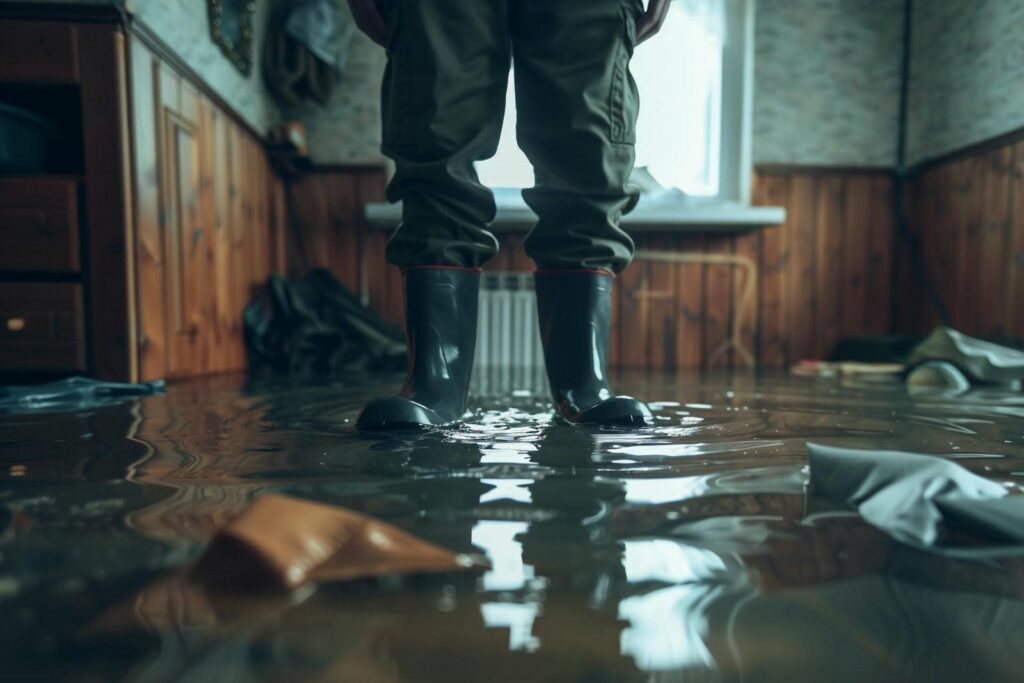
After a flood, it’s vital to assess the extent of water damage to guarantee proper restoration. Start by identifying the source of the water to prevent further issues. Next, examine your property for structural integrity and check materials for signs of damage. Mold can develop quickly in damp areas, so vigilance is key. Understanding these steps can help you navigate the recovery process effectively, but what specific techniques should you employ to evaluate your home?
Key Takeaways
- Identify the water source and determine the severity of damage by inspecting affected areas thoroughly.
- Use moisture meters to measure dampness levels in walls, floors, and other materials.
- Check for signs of mold and mildew in high-moisture areas, and act quickly if found.
- Evaluate the structural integrity of your home, focusing on foundation stability and load-bearing walls.
- Document all findings with photos and detailed inventories for insurance claims and restoration planning.
How to Identify the Source and Severity of Water Damage
When evaluating water damage post-flood, it’s crucial to identify both the source and severity of the issue to take appropriate action.
Start by locating the water source; this could be from a burst pipe, rising groundwater, or an external flood.
Next, conduct a thorough damage assessment. Inspect walls, floors, and ceilings for discoloration, peeling paint, or warping, which indicate prolonged exposure.
Utilize moisture meters to measure dampness levels, helping you gauge how deeply the water has penetrated materials.
Document all findings meticulously, as this will be critical for insurance claims and repair planning.
Inspect Structural Integrity for Safety Hazards
As you begin evaluating water damage, it’s vital to inspect the structural integrity of your property to identify any safety hazards.
Start by checking the foundation stability; cracks or shifting can indicate severe issues. Look closely at load bearing walls, as any compromise here can jeopardize your home’s overall structure.
Pay attention to signs of warping, sagging, or excessive moisture, which may suggest significant deterioration. If you notice any alarming changes, it’s important to consult a structural engineer to assess the extent of the damage.
Your safety and the safety of your loved ones should always come first. By taking these steps, you’ll guarantee that your home remains a secure and welcoming space for everyone.
Evaluate Materials Affected by Water Damage
To effectively assess water damage, you must evaluate the materials impacted by the flooding, since this will determine the necessary remediation steps.
Start with a furniture assessment; check for warping, discoloration, and any signs of structural weakness. Upholstered items, particularly, can retain moisture, leading to further damage.
Next, conduct a flooring evaluation by inspecting carpets, hardwood, or laminate surfaces. Look for signs of swelling, buckling, or mold growth. If the flooring feels damp or shows discoloration, it may need replacement.
Document your findings meticulously, as this information is vital for insurance claims and remediation plans.
How to Check for Signs of Mold and Mildew Growth?
Although water damage can be immediately apparent, mold and mildew often develop in hidden areas, making early detection essential.
Start by inspecting areas prone to moisture, like basements, bathrooms, and behind appliances. Look for discoloration, a musty odor, or fuzzy growth on surfaces. Use a moisture meter to assess dampness in materials, as high humidity levels encourage mold growth.
If you find mold, act quickly; effective mildew treatment involves sealing the area and using appropriate cleaning solutions.
To guarantee mold prevention, maintain low humidity levels and confirm proper ventilation. Regularly check for leaks and standing water to minimize the risk of mold and mildew returning.
Prioritize your environment’s health for a safe and comfortable space.
Document Findings for Insurance Claims and Restoration Plans
Documenting findings post-flood is essential for successful insurance claims and effective restoration planning.
To guarantee accurate insurance documentation and reliable restoration estimates, follow these steps:
Take Photos: Capture detailed images of damaged areas, including walls, flooring, and belongings.
List Damaged Items: Create a thorough inventory of items affected by water exposure, noting their condition.
Record Repair Needs: Document specific repairs required to restore your property, including structural and cosmetic work.
Consult Professionals: Engage with restoration experts to obtain written estimates for repairs, ensuring you have professional opinions to support your claims.
Frequently Asked Questions
How Long Does It Take for Water Damage to Show Signs?
Water damage signs can appear within hours, but a complete water damage timeline varies. You’ll notice discoloration, musty odors, or peeling paint within days, while structural issues may take weeks or longer to manifest.
Can I Handle Water Damage Assessment Myself?
You can tackle water damage assessment yourself, but it’s like maneuvering through a minefield. Use self-assessment tips and a DIY evaluation approach to identify hidden dangers, ensuring your home’s safety and your peace of mind.
What Tools Do I Need for Assessing Water Damage?
To assess water damage, you’ll need a moisture meter to measure dampness levels and a thermal imaging camera to detect hidden moisture behind walls. These tools help you accurately identify problem areas and prevent further damage.
How Can I Prevent Future Water Damage?
To prevent future water damage, invest in waterproofing solutions and install proper drainage systems. Regularly inspect and maintain these systems to guarantee they function effectively, keeping your home safe and secure from potential water intrusion.
When Should I Call a Professional for Assessment?
When water’s receded like a tide, you should call a professional immediately. Restoration companies can assess damage effectively, ensuring your flood insurance covers necessary repairs. Don’t wait; act swiftly to prevent further issues.
Wrap-Up
In the aftermath of a flood, think of your property as a ship steering through turbulent waters. By identifying the source of water damage, inspecting structural integrity, evaluating affected materials, checking for mold, and documenting your findings, you’re not just patching a leak; you’re guiding your ship towards safety. Taking these steps guarantees a smoother restoration process, safeguarding your home and peace of mind. Don’t let the storm leave you adrift act decisively to reclaim your space.