
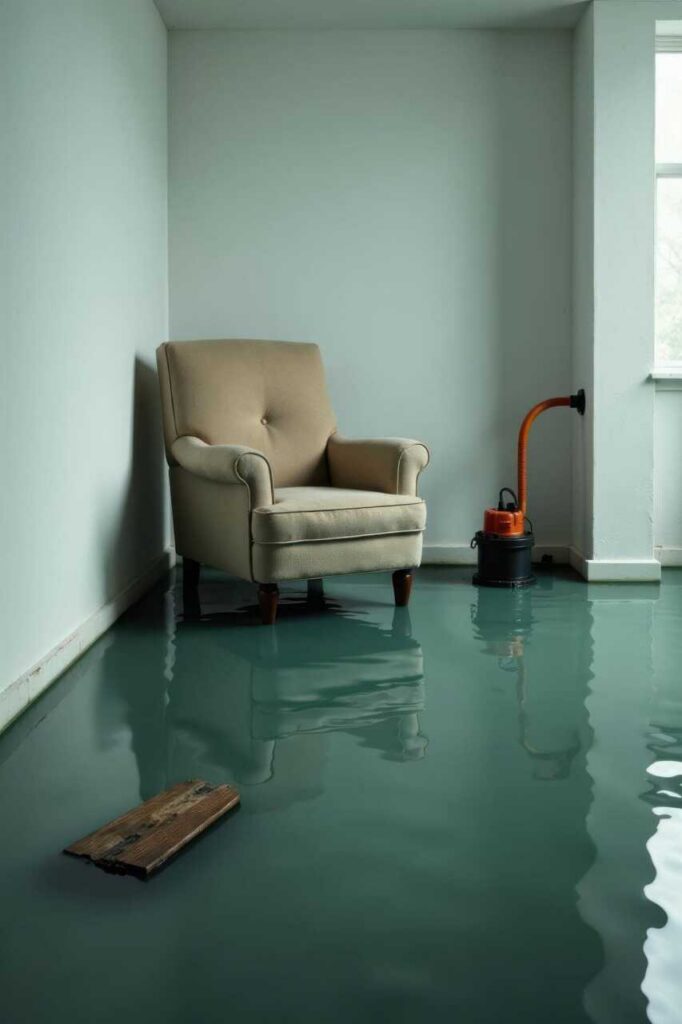
When flood damage strikes, responding swiftly and effectively is essential to minimize long-term issues. You’ll need to assess the damage accurately and implement a methodical approach to water removal. Utilizing the right tools, such as wet/dry vacuums and absorbent materials, can make a significant difference. However, understanding the best techniques for airflow and humidity control is just as important. Let’s explore the most effective DIY methods to tackle these challenges efficiently.
Key Takeaways
- Use a wet vacuum to extract standing water, adjusting power settings based on water depth for efficiency.
- Employ pumps for larger areas, ensuring they are placed on stable surfaces to prevent tipping.
- Remove soaked materials like carpets and furniture promptly to minimize moisture retention and damage.
- Utilize fans and dehumidifiers to enhance airflow and reduce humidity levels, aiming for below 60%.
- Maintain proper ventilation by opening windows and doors, ensuring outside humidity is lower than indoors.
How to Quickly Respond to Flood Damage
When dealing with flood damage, the speed of your response can greatly impact the extent of the destruction. First, grab your emergency kit, ensuring you have essential items like flashlights, batteries, and first aid supplies.
Quickly assess the situation to identify immediate hazards, such as electrical risks. Next, contact your insurance company to initiate your claims process; timely reporting can streamline your recovery efforts.
Document the damage meticulously with photos, as this will bolster your claims. If safe, begin removing water using pumps or wet vacs, focusing on the most affected areas first.
Assess the Extent of Flood Damage
To accurately assess the extent of flood damage, start with a thorough visual inspection of your property.
Identify all affected areas and check for structural integrity, as well as personal belongings that may have been compromised.
Finally, measure water levels to determine how deeply the water has infiltrated your space, guiding your next steps in the recovery process.
Visual Inspection Required
Before diving into the water removal process, it’s crucial to conduct a thorough visual inspection to assess the extent of the flood damage.
Start by identifying key visual indicators, such as water stains, warped floors, or mold growth. Use effective inspection techniques like checking hidden areas, including basements and crawl spaces, where moisture may linger unnoticed.
Pay attention to walls and ceilings, as they can reveal significant structural issues. Document your findings to establish a clear understanding of the damage and prioritize your water removal efforts.
This methodical approach not only helps you gauge the situation accurately but also guarantees you address all affected areas effectively, fostering a sense of community support in your restoration journey.
Identify Affected Areas
Once you’ve completed your visual inspection, it’s time to identify the affected areas to assess the extent of the flood damage.
Start by determining the flood zone within your property. Look for areas where water sources, like rivers or heavy rainfall, have impacted your space. Pay close attention to walls, flooring, and any materials that seem discolored or swollen.
Utilize a moisture meter to pinpoint hidden damage, especially in corners and underneath furniture. Don’t forget to check your basement or crawl space, as these can often retain water unnoticed.
Document your findings, as this information will be essential for your next steps. By methodically identifying these affected areas, you’ll be better prepared to tackle the restoration process effectively.
Measure Water Levels
Having identified the affected areas, the next step involves measuring water levels to assess the extent of flood damage accurately.
This process helps you understand the severity of the situation using effective water measurement techniques. Here are four key flood level indicators to contemplate:
Ruler or Measuring Tape: Use these tools to measure the depth of standing water in various locations.
Water Marking: Mark the water line on walls or furniture to track changes over time.
Float Measurement: A floating object can indicate water levels in deeper areas.
Digital Water Level Sensors: For precision, contemplate using sensors that provide real-time data.
Use a Wet/Dry Vacuum for Effective Extraction
When using a wet/dry vacuum for flood damage extraction, it’s vital to choose the right size for your specific needs.
Set up the vacuum properly to maximize efficiency and guarantee thorough water removal.
Additionally, following appropriate safety precautions will protect both you and your equipment during the process.
Choose Right Vacuum Size
Choosing the right vacuum size is crucial for effective water extraction after a flood. A wet/dry vacuum is your best bet, but it’s important to match the vacuum capacity to your specific needs.
Here are four key factors to take into account:
Area Size: Evaluate the square footage of the flooded space; larger areas require vacuums with higher capacity.
Water Depth: Determine how deep the water is; deeper water needs more robust vacuum types.
Usage Frequency: If you plan to use it regularly, opt for a vacuum with a larger tank for efficiency.
Portability: Think about how easily you can move the vacuum around; lightweight models may be more convenient for tight spaces.
Making the right choice guarantees a more effective cleanup.
Properly Set Up Vacuum
Once you’ve selected the right vacuum size, setting up your wet/dry vacuum properly is key to maximizing its effectiveness in flood cleanup.
Begin by placing the vacuum on a flat, stable surface to prevent tipping. Make sure the hose is securely connected and the filter is clean for peak suction.
Adjust the vacuum power settings based on the amount of water present; higher settings work well for deeper water, while lower settings are suitable for damp surfaces.
Remember to follow vacuum maintenance tips, like emptying the tank frequently to maintain suction power.
Follow Safety Precautions
While using a wet/dry vacuum for flood extraction can be highly effective, prioritizing safety is essential to prevent accidents and injuries. Adhering to water safety and utilizing personal protection will guarantee a smoother process.
Here are some precautions to take into account:
Wear Protective Gear: Use rubber boots, gloves, and goggles to shield yourself from contaminants.
Check Electrical Safety: Confirm all electrical outlets and appliances are dry before plugging in the vacuum.
Avoid Slip Hazards: Keep your workspace clear of debris and excess water to prevent slips.
Monitor Air Quality: Use fans and dehumidifiers to maintain airflow and reduce mold risks.
Soak up Water With These Absorbent Materials
When dealing with flood damage, using absorbent materials is essential for effective water removal. Start with towels or rags, as they’re readily available and can soak up considerable amounts of moisture. Microfiber towels are particularly effective due to their high absorbency.
Next, consider water-absorbing products like sponges or absorbent mats, which can manage larger areas efficiently. For a more industrial approach, look into specialized absorbent pads designed for flooding situations. These products are engineered to capture excess water quickly and can be used on various surfaces.
Finally, don’t overlook the importance of regularly replacing saturated materials to maintain effectiveness. By strategically utilizing these absorbent materials, you can considerably reduce water levels and minimize damage.
Create Airflow With Fans and Dehumidifiers
Creating airflow with fans and dehumidifiers is essential for drying out the affected areas and preventing further damage after a flood.
To effectively enhance airflow, follow these steps:
Strategic fan placement: Position fans in a way that directs air towards the wettest areas, ensuring maximum circulation.
Cross-ventilation: Open windows and doors to create a pathway for fresh air to flow while fans push out moist air.
Dehumidifier settings: Set your dehumidifier to a lower humidity level (around 30-50%) to accelerate moisture removal.
Continuous operation: Keep both fans and dehumidifiers running continuously until the space is completely dry, as this maintains ideal airflow.
How to Dry Out Your Space After Water Removal?
After water removal, it’s crucial to act swiftly to dry out your space and prevent mold growth or structural damage.
Begin by removing any soaked materials, like carpets or furniture, that can harbor moisture.
Next, utilize fans and dehumidifiers to enhance airflow and absorb lingering humidity. Open windows to allow fresh air circulation, but verify it’s not too humid outside.
Monitor the drying process closely, aiming for a humidity level below 60% to mitigate water damage risks.
Regularly check for signs of mold, such as discoloration or musty odors, and address them immediately.
Effective Drainage Solutions to Prevent Future Flood Damage
Once you’ve tackled the immediate aftermath of water damage, focusing on effective drainage solutions becomes essential for preventing future flooding.
Implementing the right drainage systems and flood barriers can make a significant difference. Here are four key strategies to evaluate:
Install a French Drain: This system directs water away from your foundation, reducing the risk of pooling.
Use Gutter Guards: They keep debris out of your gutters, ensuring proper water flow and preventing overflow.
Create a Rain Garden: Planting native vegetation can absorb excess rainwater and improve drainage.
Build Flood Barriers: Temporary or permanent barriers can protect your property during heavy rains or storms.
Recap
In the aftermath of flood damage, your swift action is essential, like a skilled conductor leading an orchestra through a chaotic symphony. By utilizing effective water removal techniques and ensuring proper ventilation, you can restore harmony to your space. Remember, the key to preventing future issues lies in proactive drainage solutions and consistent moisture management. With these methods in hand, you’re not just cleaning up; you’re fortifying your home against the relentless tide of water damage.