
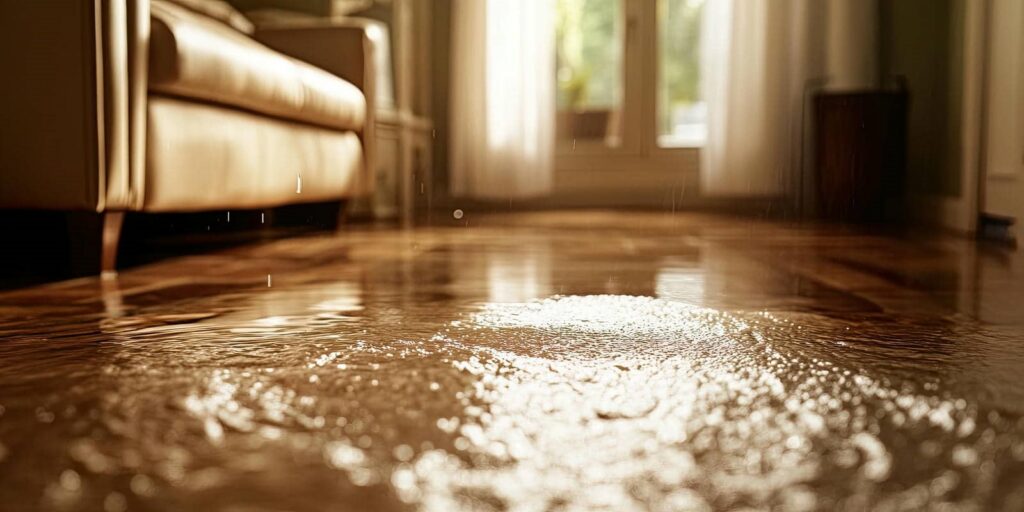
When facing the aftermath of a flood, it’s essential to approach cleanup with care and precision. Start by prioritizing your safety and the integrity of your space. Each step, from evaluating damage to documenting for insurance, plays a significant role in your recovery. Understanding the best practices can make a meaningful difference. Let’s explore these fundamental steps to ensure a thorough and effective flood cleanup process.
Key Takeaways
- Turn off all electrical systems and assess structural integrity before entering flooded areas to ensure safety.
- Wear protective gear, including gloves and boots, to avoid contamination during cleanup.
- Use proper equipment like sump pumps or wet vacuums to effectively remove standing water.
- Thoroughly clean and disinfect all surfaces that came into contact with floodwater to prevent mold growth.
- Document damage and cleanup efforts for insurance claims and consider flood-proofing measures for the future.
Understanding Flood Damage and Its Risks
Flood damage can be devastating, affecting your home and your health and safety. To understand the flood risk, you need to evaluate your property’s vulnerabilities.
Begin with a thorough damage assessment, inspecting both the interior and exterior for water infiltration, mold growth, and structural integrity. Document everything carefully; photos and notes will help you communicate with insurance providers and contractors.
Recognizing potential hazards, such as contaminated water or electrical issues, is essential for your safety. By understanding the extent of the damage and the risks involved, you can make informed decisions about repairs and restoration.
Essential Supplies for Flood Cleanup
After evaluating the damage and understanding the risks, gathering the right supplies for flood cleanup is essential to ensure your safety and effectiveness during the restoration process.
Start with a solid cleanup checklist, including gloves, masks, and waterproof boots to protect yourself. You’ll need buckets, sponges, and mops for removing water and debris. Don’t forget disinfectants and cleaning solutions to ensure a thorough clean.
Keep a first aid kit handy in case of injuries. If you have flood insurance, document damage with photos to support your claim.
Connecting with your community can also provide emotional support as you navigate this challenging time. Having the right supplies will empower you and help foster a sense of belonging during recovery.
How to Safely Remove Standing Water?
Before you start removing standing water, assess its depth to understand what you’re dealing with.
Using the right equipment is vital for effective and safe removal, so gather tools like a sump pump or wet vacuum.
Assess Water Depth First
How can you ensure your safety while removing standing water? First, assess the flood depth in your area. Use a stick or a measuring tape to determine how deep the water is.
If it’s more than a few inches, consider the risk of electrical hazards or structural instability in your home. Remember, even shallow water can be dangerous if it’s contaminated.
Before you start, make certain you’re wearing protective gear like boots and gloves. If the water depth is significant, it’s best to call professionals who specialize in water safety and flood recovery.
Trust your instincts; if you feel uneasy, prioritize your well-being. Your safety is paramount, and understanding the water depth helps you make informed decisions during this challenging time.
Use Proper Equipment
Equipping yourself with the right tools is essential for safely removing standing water from your home. Start by investing in proper gear like submersible pumps, wet/dry vacuums, and hoses to effectively clear water. Verify your equipment is well-maintained; check for any wear or damage before use.
A reliable extension cord, safety goggles, and gloves are also critical for protecting yourself during the process. As you work, remember to create a plan that allows you to tackle the task methodically, verifying every corner of your space is addressed.
Prioritize Safety Measures
While tackling the challenging task of removing standing water, it’s vital to prioritize your safety above all else.
Start by wearing appropriate safety gear, including waterproof boots, gloves, and masks to protect yourself from contaminants.
Before you begin, make sure you’ve got your emergency contacts handy—you never know when you might need assistance.
- Turn off electricity in affected areas to prevent shocks.
- Use a pump or wet vacuum designed for water removal.
- Avoid wading into deep water; you can’t always judge the depth or hazards.
- Keep your phone charged and within reach in case of emergency.
Effective Methods to Dry Out Flooded Areas
As you begin the challenging task of drying out flooded areas, it’s essential to act quickly to prevent further damage and mold growth.
Start by implementing effective drainage techniques, like using pumps or wet vacuums to remove standing water. Once the bulk of the water is gone, set up fans and dehumidifiers to circulate air and reduce humidity levels.
Consider installing moisture barriers in vulnerable areas to protect against future flooding. These barriers can help keep water away from your home, providing peace of mind.
Remember to check for hidden pockets of water, as even small amounts can lead to mold. By following these methods, you’ll restore your space and create a safer, healthier environment for everyone involved.
Clean and Disinfect Surfaces After Flooding
Once you’ve dried out the affected areas, it’s vital to clean and disinfect all surfaces to prevent mold and bacteria growth.
Gather essential cleaning supplies like gloves, buckets, and disinfectants that are effective against flood-related contaminants.
Essential Cleaning Supplies Needed
Cleaning up after a flood can feel overwhelming, but having the right supplies can make the process more manageable and effective.
Start by gathering essential cleaning kits and protective gear to ensure your safety and efficiency. Here’s what you’ll need:
- Heavy-duty gloves: Protect your hands from contaminants.
- N95 respirator mask: Shield your lungs from mold and dust.
- Mops and buckets: Help with removing excess water and debris.
- Disinfectant spray: Ensure surfaces are sanitized after cleaning.
With these supplies, you’ll be ready to tackle the mess.
Effective Disinfection Techniques
After gathering your cleaning supplies, it’s time to focus on effectively disinfecting the surfaces in your home.
Start by following established disinfection protocols to ensure thorough cleaning. Use sanitizing solutions that contain at least 70% alcohol or a bleach solution diluted to 1,000 ppm. Apply these solutions generously to surfaces that came in contact with floodwater, including countertops, floors, and appliances.
Let the disinfectant sit for at least 10 minutes to kill harmful pathogens. Don’t forget to wear gloves and maintain proper ventilation while working.
Rinse surfaces with clean water afterward to remove any residue. By taking these careful steps, you’re not just cleaning; you’re creating a safe space for yourself and your loved ones to heal and feel secure again.
Inspect for Hidden Damage and Signs of Mold
Although you may have removed visible water and debris from your space, it’s essential to thoroughly inspect for hidden damage and signs of mold.
Mold can thrive in unnoticed areas, leading to health risks and costly repairs. Here are some key steps to guide your inspection:
- Check behind walls and under floors for hidden leaks.
- Look for discoloration or stains on ceilings and walls.
- Inspect HVAC systems and ducts, as they can harbor mold.
- Use a moisture meter to identify damp areas.
Documenting Damage for Insurance Claims
As you navigate the aftermath of flooding, it’s essential to document the damage thoroughly to support your insurance claims.
Start by taking clear, detailed photos of all affected areas, including walls, floors, and personal belongings. Make sure to note the extent of the damage and any visible hazards.
Create an inventory list of damaged items with their approximate values, as this will aid in the damage documentation process. Keep receipts for any repairs or temporary accommodations, as these may be necessary for insurance procedures.
Finally, consider reaching out to your insurance adjuster to understand their requirements. This proactive approach strengthens your claim and provides peace of mind during a challenging time.
You’re not alone in this.
Frequently Asked Questions
How Can I Prevent Future Flood Damage to My Property?
To prevent future flood damage, install flood barriers around your property and maintain effective drainage systems. Regular inspections and community engagement can also enhance resilience, fostering a supportive environment where everyone feels safer together.
What Personal Protective Equipment Should I Wear During Cleanup?
As you step into the murky aftermath, wear durable rubber gloves and a fitted respiratory mask. This gear protects you from hidden hazards, ensuring your safety while you reclaim your space and restore your home.
Are There Specific Health Risks Associated With Floodwater?
Yes, floodwater can contain harmful contaminants, leading to various health symptoms like gastrointestinal issues, skin infections, and respiratory problems. It’s essential to stay informed and protect yourself while maneuvering through these risks during recovery efforts.
How Long Does It Take for Mold to Develop After Flooding?
In just 24 to 48 hours after flooding, mold growth can start, especially if the flood duration was prolonged. Imagine a family’s struggle; timely intervention is essential to prevent further health risks and emotional distress.
Can I Use Regular Household Cleaning Supplies for Flood Cleanup?
You can’t rely solely on regular cleaning supplies for flood cleanup. They often lack the strength needed to eliminate contaminants. Instead, opt for specialized products designed to tackle flooding, ensuring a safer and more thorough cleaning process.
Wrap-Up
Flood cleanup can feel overwhelming, but by following these seven steps, you can restore your home and peace of mind. You might think it’s too much work or that you can’t handle it alone, but remember, taking it one step at a time makes the process manageable. With each action, you’re not just cleaning; you’re protecting your home and loved ones from further damage and health risks. Embrace the challenge, and soon you’ll reclaim your space.