
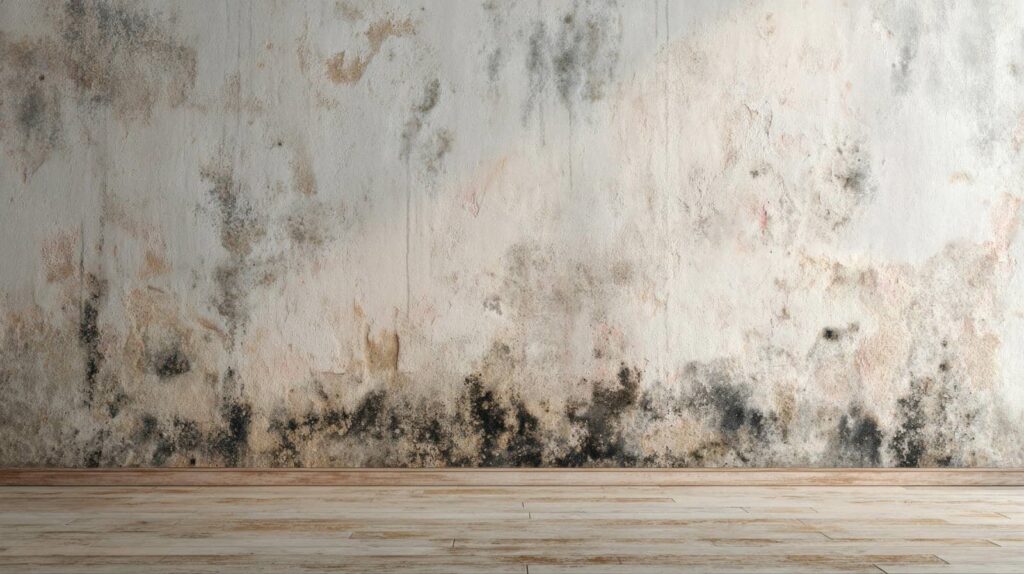
Most people underestimate how quickly mold can begin to grow after water damage, often within just 24 to 48 hours. To effectively combat this, you’ll need to take immediate and strategic actions to halt its progress. Knowing where to start can make a significant difference in preventing a small issue from becoming a major problem. Let’s explore the essential steps you should take to guarantee your space remains mold-free after a water incident.
Key Takeaways
- Identify and fix the source of water damage immediately to prevent further moisture accumulation.
- Thoroughly dry affected areas using fans and dehumidifiers to maintain humidity levels below 60%.
- Clean and disinfect all surfaces with mold prevention solutions to eliminate potential spores.
- Regularly inspect for hidden mold growth, especially in corners and behind walls, to catch issues early.
- Consider professional assistance for extensive mold coverage or complex removal situations to ensure safety and effectiveness.
How to Identify and Fix the Source of Water Damage
To effectively stop mold growth after water damage, you first need to identify and fix the source of the moisture.
Begin with a thorough water damage assessment to pinpoint where the issue originates. Look for visible signs of leaks, such as water stains or damp areas, and utilize leak detection tools to uncover hidden problems behind walls or under floors.
Pay close attention to plumbing fixtures, roofs, and basements, where water can accumulate unnoticed.
Once you’ve identified the source, repair any leaks or drainage issues immediately to prevent further damage.
By addressing these concerns, you’ll create a healthier environment and reduce the chances of mold developing.
Taking these steps not only protects your space but also fosters a sense of community well-being.
Remove Standing Water Quickly and Efficiently
To prevent mold growth, you must remove standing water quickly and efficiently.
Use proper pumping equipment to extract excess water, and then dry the affected areas thoroughly to eliminate moisture.
Timely action is critical in minimizing damage and controlling mold proliferation.
Use Pumping Equipment
Act swiftly by employing pumping equipment to eliminate standing water after a flood or leak.
Utilizing effective pumping techniques is essential; choose the right type of pump for your situation, whether it’s a submersible or a trash pump. Make sure your equipment is well-maintained to operate efficiently, as regular checks can prevent breakdowns during critical moments.
Before pumping, assess the area to identify the source of the water and any potential hazards. As you remove the water, monitor the surrounding environment to avoid further damage.
Once you’ve completed the pumping process, consider documenting the equipment’s performance for future reference. By mastering these techniques and maintaining your equipment, you’ll greatly reduce the risk of mold growth in your home.
Dry Affected Areas
After you’ve effectively removed standing water with pumping equipment, the next critical step is drying the affected areas promptly.
Begin by using fans and dehumidifiers to circulate air and reduce humidity. Open windows to enhance ventilation, but only if outdoor conditions are dry.
Focus on areas like carpets, walls, and furniture, which can retain moisture and promote mold growth. For thorough moisture control, consider using specialized drying equipment designed for rapid drying.
Keep an eye on humidity levels; ideally, they should remain below 50%.
Thoroughly Dry Out Areas to Prevent Mold Growth
Ensuring thorough drying of affected areas is essential in preventing mold growth following water damage. You’ll want to employ effective drying techniques to eliminate moisture, as damp environments are prime for mold development.
Start by removing standing water using a wet/dry vacuum or mop. After that, focus on airflow; open windows and doors to promote ventilation. Use fans to increase air circulation, targeting corners and hidden spaces.
Check materials like carpets and drywall for moisture retention; these may need to be removed if they remain wet. Remember, the goal is to achieve a moisture level below 60% as quickly as possible.
Use Dehumidifiers to Prevent Mold
A dehumidifier is an essential tool in the fight against mold after water damage. By using a dehumidifier, you can effectively control moisture levels in your home, making it less conducive for mold growth.
There are various dehumidifier types, such as refrigerant and desiccant models, each suited for different environments. For instance, refrigerant dehumidifiers work best in warmer areas, while desiccant units excel in cooler spaces.
To maximize moisture control, place the dehumidifier in affected areas and run it continuously until the humidity level drops below 60%. Regularly monitor humidity levels with a hygrometer to guarantee effectiveness.
How to Clean and Disinfect Affected Surfaces to Prevent Mold Growth
To effectively clean and disinfect surfaces after water damage, you first need to identify all affected areas.
Use appropriate cleaning solutions that target mold spores, ensuring thorough disinfection.
Finally, follow proper drying techniques to eliminate moisture and prevent mold regrowth.
Identify Affected Areas
After water damage occurs, it’s crucial to quickly identify affected areas to minimize mold growth.
Start with a thorough affected area assessment, inspecting walls, ceilings, floors, and hidden spaces like under sinks or behind appliances.
Use mold identification techniques such as visual inspections and moisture meters to locate damp spots, as these are prime conditions for mold proliferation.
Pay attention to areas with visible water stains or a musty smell, as they often indicate hidden moisture.
Document your findings to guarantee all affected surfaces are addressed efficiently.
Use Appropriate Cleaning Solutions
Using the right cleaning solutions is essential for effectively disinfecting affected surfaces and preventing mold growth. Choose cleaning agents specifically designed for mold prevention, such as a mixture of water and vinegar or commercial mold removers.
These solutions not only kill existing mold spores but also inhibit future growth. Be certain to follow the manufacturer’s instructions for dilution and application.
When cleaning, wear protective gear like gloves and masks to safeguard your health. Focus on porous materials, like drywall and carpets, as they can harbor mold more easily.
After applying the cleaning solution, scrub surfaces thoroughly and make sure they dry quickly. This proactive approach will help you maintain a mold-free environment, fostering a sense of belonging and safety in your home.
Follow Proper Drying Techniques
Effective cleaning solutions set the stage, but proper drying techniques are just as essential to prevent mold growth after water damage.
Start by using efficient drying methods like dehumidifiers and fans to circulate air, ensuring moisture control throughout affected areas. Target damp spots, particularly in hidden places like behind walls or under flooring.
Keep indoor humidity below 60% to inhibit mold spores from thriving. If possible, expose surfaces to sunlight, as UV rays can assist in drying and disinfecting.
Check regularly for dampness, and don’t hesitate to reapply drying methods if necessary. By combining effective cleaning with diligent drying practices, you create an environment that’s less conducive to mold growth, fostering a healthier living space for you and your loved ones.
Keep an Eye on Humidity Levels to Stop Mold From Coming Back
Monitoring humidity levels is essential for preventing mold from returning after water damage. By maintaining effective humidity control and engaging in regular moisture monitoring, you can create an environment that’s less conducive to mold growth.
Aim to keep indoor humidity below 60%. Here are some strategies to help you:
- Use dehumidifiers in damp areas to reduce moisture.
- Regularly check and repair leaks in plumbing or roofing.
- Ventilate rooms, especially kitchens and bathrooms, to promote air circulation.
When to Seek Professional Help for Mold Remediation
If you notice extensive mold growth or persistent moisture issues after water damage, it’s essential to take into account professional help for mold remediation.
Relying on your own efforts may not adequately address hidden mold or moisture sources. Professionals employ advanced mold detection techniques to identify affected areas, ensuring thorough treatment.
If you experience symptoms like respiratory issues or allergic reactions, a professional assessment becomes vital for your health and safety.
Additionally, if the mold covers more than ten square feet, it’s wise to call in the experts. They can provide specialized equipment and expertise to effectively eliminate mold and prevent future growth, allowing you to restore your space and peace of mind.
Don’t hesitate to seek help when needed.
Frequently Asked Questions
Can I Use Bleach to Eliminate Mold After Water Damage?
You can use bleach for mold elimination, but its effectiveness is limited on porous surfaces. Consider mold alternatives like vinegar or hydrogen peroxide, which can penetrate better and provide a safer, more thorough solution for mold remediation.
How Long Does It Take for Mold to Grow After Water Exposure?
Mold can sprout within 24 to 48 hours after water exposure, racing like wildfire through damp areas. Understanding the mold growth timeline is essential for effective water damage prevention and maintaining a healthy environment for you.
Is Mold Removal Covered by Homeowners Insurance?
Mold removal often is covered by homeowners insurance, but it depends on your policy. Check for exclusions regarding mold remediation costs to guarantee you’re protected. Always review your coverage details for potential limitations.
What Types of Materials Are Most Prone to Mold Growth?
Wood surfaces and fabric materials are particularly prone to mold growth due to their porous nature. When damp, they provide an ideal environment for mold spores to thrive, necessitating immediate attention to prevent extensive damage.
Can Mold Cause Health Issues Even if Not Visible?
Yes, mold can cause health issues even when it’s not visible. You might experience mold symptoms like respiratory problems or allergies. Prioritizing mold prevention is essential to maintain a healthy living environment for everyone.
Review
In the battle against mold, think of your home as a fortress. By swiftly sealing the cracks where moisture seeps in, draining the stagnant pools that invite growth, and keeping the air crisp and dry, you arm your stronghold against decay. Regularly inspect your defenses and don’t hesitate to call in the experts when needed. With vigilance and action, you can maintain a clean, healthy environment that stands resilient against the threat of mold.