
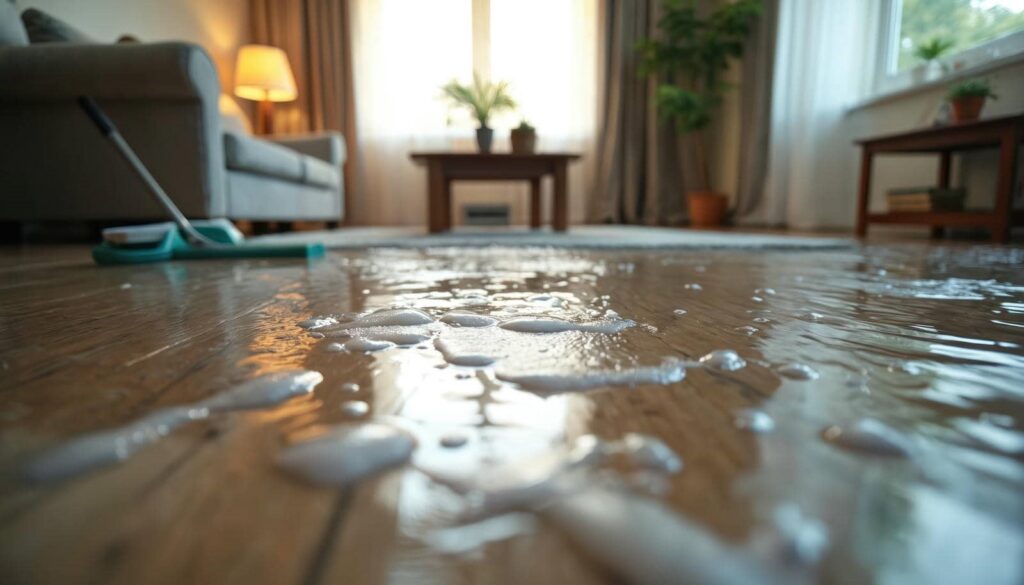
When faced with water damage in your home, immediate extract water action is essential. Start by prioritizing safety; turn off electricity and move valuables to higher ground. Using high-quality wet/dry vacuums can efficiently remove standing water, but be cautious of contaminated sources. As you work, you’ll need to evaluate hidden moisture and structural integrity. Understanding these steps can make a significant difference, but there’s more to reflect on before moving forward.
Key Takeaways
- Turn off electricity and relocate valuables to ensure safety before beginning the extraction process.
- Use wet/dry vacuums and submersible pumps for effective removal of standing water.
- Wear protective gear like waterproof gloves and masks if water is contaminated.
- Employ fans and dehumidifiers to promote drying and check for hidden moisture.
- Document all damage for insurance and contact professionals for necessary repairs.
What Causes Water Damage in Homes?
Water damage in homes often occurs due to a variety of factors, which can range from natural disasters to human error.
One common culprit is leaky pipes, which often go unnoticed until they cause significant damage. These leaks can stem from corrosion, poor installation, or even shifts in the foundation.
Heavy rains can also exacerbate the situation, overwhelming drainage systems and allowing water to seep into your home. If gutters are clogged or the landscape slopes toward your foundation, you may find yourself facing serious issues.
It’s essential to regularly inspect plumbing and ensure proper drainage to mitigate these risks. By staying proactive, you can protect your home from potential water damage and create a safer environment for your family.
Step-by-Step Guide to Emergency Water Extraction
When faced with unexpected water intrusion in your home, acting quickly can significantly reduce damage and prevent further complications.
Start by ensuring everyone’s safety; turn off electricity and relocate valuables. Use appropriate water extraction techniques, like a wet/dry vacuum, to remove standing water effectively. If the water is contaminated, wear protective gear throughout the process.
Check for hidden moisture in walls and flooring, and use fans or dehumidifiers to promote drying. Document the damage for insurance purposes, and initiate your emergency response by contacting professionals for any extensive repairs or water damage remediation.
Essential Tools for Water Extraction From Homes
Effective water extraction requires the right tools to tackle various situations efficiently.
First, invest in high-quality water extraction equipment, such as submersible pumps and wet/dry vacuums. These tools are vital for removing standing water quickly.
You’ll also need essential supplies like moisture meters to assess dampness, fans for drying, and dehumidifiers to eliminate excess moisture from the air.
Don’t overlook protective gear, such as gloves and waterproof boots, to ensure your safety during the process.
Additionally, having sturdy buckets and hoses on hand can aid in transporting water.
How to Stay Safe While Extracting Water
Although extracting water from your home can be an intimidating task, prioritizing safety ensures you handle the situation effectively.
Follow these safety precautions to protect yourself during the process:
Wear personal protective equipment (PPE): Equip yourself with waterproof gloves, boots, and masks to shield against contaminants and pathogens in the water.
Turn off electricity: Before starting, make sure all electrical sources in the affected area are turned off to prevent electrocution.
Assess structural integrity: Carefully evaluate the stability of floors and walls to avoid potential hazards while maneuvering through the space.
Why Quick Response Matters for Water Damage
When water damage occurs, acting quickly is essential to prevent structural damage that can compromise your home’s integrity.
By addressing the issue promptly, you can greatly reduce the risk of mold growth, which thrives in damp conditions.
Additionally, a swift response often leads to lower restoration costs, saving you both time and money in the long run.
Preventing Structural Damage
Water damage can lead to severe structural issues if not addressed promptly. Quick action helps preserve your home’s integrity.
Here are three key measures to prevent structural damage:
Install Water Barriers: These physical barriers can redirect water away from your foundation, reducing the risk of leaks and erosion.
Maintain Drainage Systems: Verify gutters and downspouts are clear and functioning. Proper drainage prevents water accumulation around your home’s perimeter.
Inspect Regularly: Check for cracks or weaknesses in walls and foundations. Timely repairs can prevent minor issues from escalating into major problems.
Reducing Mold Growth
To effectively reduce mold growth after experiencing water damage, addressing the issue within 24 to 48 hours is essential. Quick action is vital for mold prevention, as mold spores thrive in damp environments.
Begin by removing standing water and drying affected areas thoroughly. Use dehumidifiers and fans to enhance moisture control, ensuring all surfaces are dried completely.
Check hidden areas, such as behind walls or under carpets, where moisture may linger. Maintaining indoor humidity levels below 60% can greatly reduce the risk of mold growth.
Regularly inspect your home for leaks and water intrusion, as proactive measures can prevent future problems.
Lowering Restoration Costs
Acting swiftly in response to water damage mitigates the potential for mold growth and greatly lowers restoration costs.
Quick action allows you to make the most of your insurance coverage and achieve significant cost savings. Here’s how:
Early Detection: Identifying water damage promptly can prevent extensive repairs, saving you money on both labor and materials.
Professional Help: Engaging restoration experts immediately can reduce damage severity, ensuring your insurance claim covers most costs.
Preventive Measures: Quick response allows you to implement preventive strategies, further minimizing future risks and expenses.
How to Identify Hidden Water Damage Areas?
How can you uncover hidden water damage areas in your home? Start by inspecting common problem areas like under sinks, around toilets, and behind appliances.
Look for signs of hidden leaks, such as discoloration, peeling paint, or warped materials. Use moisture detection tools like a moisture meter to identify elevated levels in walls and floors, indicating potential damage.
Pay attention to musty odors, which can signal mold growth associated with water intrusion. Don’t forget to check your basement and attic, as these spaces often harbor hidden issues.
Top 5 Mistakes to Avoid During Water Extraction
Identifying hidden water damage areas is just the first step in addressing water issues in your home.
To ensure effective water extraction, avoid these common misconceptions and DIY pitfalls:
Ignoring Safety Precautions: Always wear protective gear. Flooded areas can hide electrical hazards or toxic mold.
Using Inadequate Equipment: Don’t rely solely on household tools. Invest in industrial-grade dehumidifiers and pumps for thorough extraction.
Neglecting Drying Time: Rushing the drying process can lead to mold growth. Allow ample time for all affected areas to dry completely.
When to Call Professionals for Water Extraction
When should you consider calling in professionals for water extraction? If you’re facing extensive flooding, it’s essential to recognize when to call for help.
Professional services are necessary when water covers significant areas, especially in basements or crawl spaces, where mold growth can occur rapidly.
Additionally, if the water is contaminated—such as sewage backup—experts should handle the extraction to ensure safety.
If you’ve tried DIY methods without success, it’s time to reach out to professionals who possess the right equipment and expertise.
Finally, if you notice structural damage after water exposure, getting professionals on-site can prevent further issues.
Tips for Preventing Future Water Damage in Your Home
Preventing future water damage in your home requires a proactive approach to mitigate risks before they escalate.
By implementing effective waterproofing techniques and committing to regular maintenance, you can safeguard your space.
Here are three essential tips:
- Inspect and Repair: Regularly check your roof, gutters, and downspouts for damage or blockages.
Prompt repairs can prevent leaks and overflow.
Seal Vulnerable Areas: Use waterproof sealants on foundations, windows, and doors to create a barrier against moisture intrusion.
Maintain Proper Drainage: Confirm landscaping slopes away from your home and install sump pumps in flood-prone areas to divert water effectively.
Wrap-Up
In the world of home maintenance, “an ounce of prevention is worth a pound of cure.” By understanding the causes of water damage and following the outlined steps for extraction, you can mitigate potential issues effectively. Always prioritize safety, act quickly, and use the right tools. Remember, if the situation feels overwhelming, don’t hesitate to call in professionals. Taking proactive measures today ensures a drier, safer home tomorrow.