
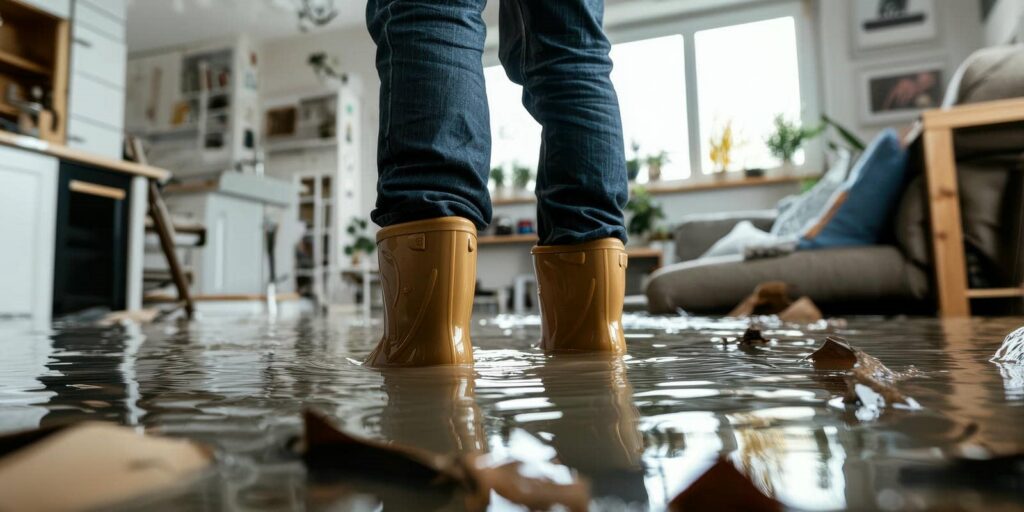
Water damage after flooding can be like a silent predator, lurking beneath the surface, ready to strike. Evaluating this damage isn’t just about checking for visible signs; it’s about understanding the full scope of the impact. Ignoring it can lead to more severe issues down the line. You need to grasp the urgency of appraisal and how it can influence your recovery strategy moving forward. What steps should you take to guarantee your home’s safety?
Key Takeaways
- Quick evaluation ensures safety by addressing potential electrical and gas hazards immediately after flooding.
- Documenting damage with photos aids in filing accurate insurance claims for recovery.
- Identifying the source of water intrusion allows for effective and targeted response measures.
- Assessing structural issues early prevents severe damage and costly repairs in the future.
- Professional assessment ensures thorough evaluation and guidance for effective restoration efforts.
How to Assess Water Damage: Step-by-Step Guide
When you’re faced with the aftermath of flooding, evaluating water damage quickly and accurately is essential. Start by ensuring the area is safe; turn off electricity and gas to prevent hazards.
Next, document the damage through photos, noting areas affected. Identify the source of water intrusion, as this will guide your emergency response and water damage prevention strategies.
Use a moisture meter to check for hidden water in walls and floors. Prioritize immediate concerns, like structural integrity and mold risk, to prevent further damage.
Finally, contact professionals for thorough assessments and remediation. Prompt action not only helps mitigate damages but fosters a sense of community resilience in recovery efforts, reinforcing your belonging in the face of adversity.
Identifying Types of Water Damage After Flooding
When evaluating water damage after flooding, it’s essential to identify the categories of water damage present.
You’ll notice signs of structural issues, which can indicate the severity of the damage.
Recognizing these factors early can help you make informed decisions about repairs and safety.
Categories Of Water Damage
Understanding the categories of water damage is essential for effective assessment and remediation after flooding, as each type presents unique challenges and implications.
Floodwater categories are typically classified into three distinct types:
- Category 1, which is clean water from a broken pipe;
- Category 2, or gray water, which contains contaminants;
- Category 3, known as black water, which poses severe health risks due to biological and chemical hazards.
Proper damage classification helps you determine the necessary response measures and mitigation strategies.
By recognizing these categories, you can better protect your property and health.
Addressing the specific needs associated with each floodwater category guarantees you’re on the right path to recovery and restoration after a flooding event.
Signs Of Structural Issues
While evaluating water damage after flooding, it’s crucial to recognize signs of structural issues that could indicate deeper problems.
Ignoring these signs can lead to severe consequences for your property and safety.
Pay attention to the following indicators:
- Cracks in walls, especially around windows and doors
- Sagging ceilings that may suggest compromised support
- Uneven or sloping floors that can signal foundation issues
- Water stains or discoloration indicating persistent moisture
How to Spot Hidden Water Damage in Your Home?
How can you identify hidden water damage in your home before it escalates into a larger problem? Start by checking for water stains on walls and ceilings, as these often indicate leaks or hidden moisture.
Inspect areas around windows, doors, and plumbing fixtures for discoloration or warping. Don’t forget to examine your basement and crawl spaces; these are common spots for concealed water damage.
Use a moisture meter to test suspicious areas, as this tool can reveal moisture levels that aren’t visible to the naked eye.
Finally, keep an eye out for musty odors, which can signal mold growth due to trapped moisture. By staying vigilant, you can address issues early and maintain a safe, healthy home.
Why Ignoring Water Damage Risks Your Home
Ignoring water damage can lead to severe consequences for your home, as even minor leaks can escalate into major structural issues.
These problems often come with long-term consequences that can affect your living environment and finances. By neglecting the signs of water damage, you risk:
- Increased mold growth that poses health risks
- Compromised structural integrity of your home
- Higher repair costs due to extensive damage
- Decreased property value, affecting future sales
The financial implications can be staggering, as what starts as a small issue can snowball into costly repairs and health hazards.
Staying vigilant about water damage not only protects your home but also guarantees a safe and secure living space for you and your loved ones.
Steps to Conduct a Thorough Water Damage Assessment
To effectively assess water damage after flooding, follow these essential steps to guarantee you identify all affected areas and implement necessary repairs.
Start by inspecting the structure for visible signs of water damage, including stains, warping, and mold growth. Use assessment techniques such as moisture meters to measure levels within walls and floors. Document your findings with photographs and notes for insurance purposes.
Next, evaluate the extent of damage to personal belongings and fixtures. Don’t forget to check hidden areas, like behind appliances and under carpets.
Finally, prioritize repairs based on severity, making certain you address critical issues first. By taking a systematic approach, you’ll guarantee a thorough assessment and help your home recover more effectively from water damage.
What Tools Do You Need to Assess Water Damage?
To effectively assess water damage, you’ll need specific tools that can provide accurate readings and safety equipment to protect yourself.
Essential assessment tools include moisture meters and thermal imaging cameras, which help identify hidden moisture.
Additionally, safety gear like gloves and masks is vital to mitigate health risks while you evaluate the affected areas.
Essential Assessment Tools
When evaluating water damage after flooding, having the right tools at your disposal is essential for an accurate evaluation.
These tools help you pinpoint issues and assess the extent of the damage effectively. Here are some key assessment tools you’ll need:
Moisture Meters: Measure moisture content in various materials to identify hidden damage.
Thermal Imaging Cameras: Detect temperature variations, revealing areas of moisture intrusion that may not be visible.
Hydrometers: Assess humidity levels in the environment to understand drying needs.
Probe Thermometers: Monitor temperature changes, which can indicate drying progress or ongoing issues.
With these tools, you can guarantee a thorough assessment, leading to informed decisions on repairs and restoration.
Safety Equipment Needed
Evaluating water damage requires not only the right diagnostic tools but also appropriate safety equipment to protect yourself during the evaluation.
First, make sure you have proper safety gear, including heavy-duty gloves to shield your hands from contaminants, and waterproof boots to keep your feet dry.
A hard hat can protect your head from falling debris, while goggles will safeguard your eyes from splashes and debris.
Additionally, consider wearing protective clothing, such as coveralls or a hazmat suit, to minimize skin exposure to hazardous materials.
A respirator can also be essential if you’re entering areas with mold or chemical exposure.
Documenting Water Damage for Insurance
Documenting water damage after flooding is essential for a successful insurance claim. You need to guarantee thorough insurance documentation to support your damage evaluation.
Here are key steps to follow:
- Take clear photographs of all affected areas.
- List damaged items, including their estimated values.
- Record the date and time of the flooding incident.
- Keep receipts for repairs and mitigation efforts.
Having this detailed documentation will make your claim process smoother and help you receive the compensation you deserve.
It’s important to act quickly, as delays may weaken your case. By being proactive and organized, you not only protect your interests but also foster a sense of community support among those facing similar challenges.
When to Call a Professional for Water Damage Assessment?
After you’ve documented the water damage and prepared your insurance claim, determining whether to tackle the assessment on your own or call in a professional can be a critical decision.
If you notice extensive damage, lingering moisture, or suspect hidden mold, it’s wise to consult a specialist. Professionals employ advanced moisture detection tools, ensuring a thorough evaluation that might be beyond your expertise.
They can also guide effective water restoration efforts, preventing future complications. If you’re unsure about the extent of damage or your ability to manage the recovery process, don’t hesitate to reach out.
Trusting a professional can provide peace of mind, ensuring that your home is safe and secure, fostering a sense of belonging in your environment.
Tips for Preventing Future Water Damage
To effectively prevent future water damage, it’s crucial to regularly inspect your home for potential vulnerabilities.
Implementing some key strategies can greatly reduce your risk.
- Utilize waterproofing techniques on your foundation and exterior walls.
- Guarantee proper drainage systems are in place to divert water away from your home.
- Invest in basement sealing to prevent moisture infiltration.
- Regularly check and maintain gutters and downspouts to avoid blockages.
Frequently Asked Questions
How Long Does It Take to Fully Assess Water Damage?
It typically takes a few hours to a few days to fully assess water damage. The assessment timeline depends on damage indicators like saturation levels, structural integrity, and affected materials, requiring thorough evaluation for accurate results.
Can I Assess Water Damage Myself or Hire a Professional?
You can assess water damage yourself with a DIY assessment, but a professional evaluation often uncovers hidden issues you might miss. Weigh your comfort level against potential risks before deciding which route to take.
What Are the Health Risks Associated With Water Damage?
Water damage poses significant health risks, including mold growth and exposure to contaminated water. You could experience respiratory issues, allergies, and infections. Addressing these hazards promptly is essential for safeguarding your well-being and environment.
Will My Homeowners Insurance Cover Water Damage Assessment?
Your homeowners insurance policy might cover water damage assessment, but check your coverage limits. Many policies have specific stipulations, so reviewing your documentation guarantees you understand what’s included and what you’re responsible for.
How Do I Know if My Home Is Safe After Flooding?
“Better safe than sorry.” To guarantee your home’s safety after flooding, conduct a thorough home inspection, checking for structural damage, mold, and electrical hazards. Prioritize flood safety to protect your loved ones and belongings.
Recap
Evaluating water damage after flooding is crucial for protecting your home and health. Remember, “an ounce of prevention is worth a pound of cure.” By promptly examining the damage, documenting it for insurance, and addressing any hidden issues, you can minimize long-term consequences. Don’t hesitate to call a professional when needed, and take proactive steps to prevent future water damage. Your diligence today can safeguard your property tomorrow.