
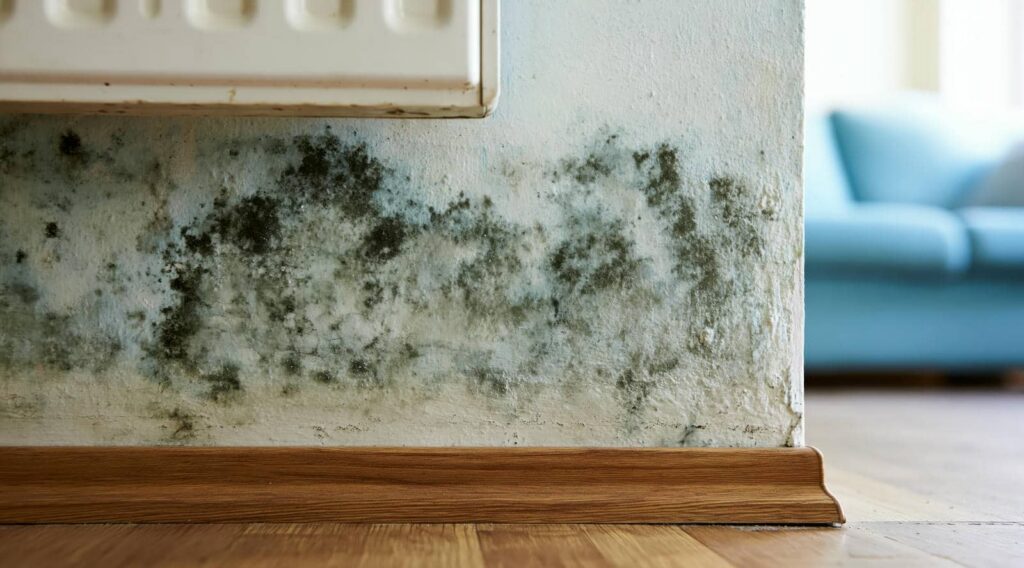
Even if the pipe burst seems minor, you still need a mold inspection within 24–48 hours, because damp materials can support growth fast. You’ll want a technician to check visible surfaces, hidden cavities, and moisture levels in walls, baseboards, cabinets, and flooring. The inspection can show where water spread, how much damage occurred, and whether remediation is already necessary—details that often change the next step.
Key Takeaways
- Inspect the affected area within 24–48 hours after the pipe burst to catch early mold growth.
- Check hidden moisture in walls, baseboards, cabinets, and insulation using a moisture meter or hygrometer.
- Look for visible mold, soft drywall, warped wood, swollen trim, and musty odors to assess damage.
- Test air, surface, or dust samples if contamination is uncertain or mold may have spread beyond the burst site.
- Call mold remediation professionals when drywall, insulation, or HVAC systems are soaked, or odors and mold persist.
Check for Mold Within 24–48 Hours After a Pipe Burst
After a pipe burst, you should inspect the affected area for mold within 24 to 48 hours, because damp building materials can support visible growth very quickly.
You need to act fast, document what you see, and limit access so you and your household stay safer.
Mold can begin colonizing drywall, insulation, and wood framing before odors become obvious, so early evaluation matters. If you delay, you increase health risks, especially for people with asthma, allergies, or weakened immunity.
Use preventative measures right away, including drying the space, controlling humidity, and removing wet porous materials that can’t be cleaned thoroughly.
When you check promptly, you give your home the best chance to recover and help your team avoid escalation.
Spot Hidden Moisture and Water Damage
Once you’ve checked the visibly wet areas, inspect for moisture that isn’t obvious at first glance, because hidden water damage often drives mold growth long after a pipe burst.
You should trace hidden leaks along baseboards, behind cabinets, under flooring, and inside wall cavities where water can linger unnoticed.
Use moisture detection tools, such as a hygrometer or pin-type meter, to compare affected and unaffected areas.
Look for soft drywall, warped trim, swollen wood, peeling paint, and a musty odor, since these often signal trapped dampness.
You can also feel for cool, damp surfaces and note any discoloration around seams or fasteners.
When you stay methodical, you protect your space and help your household catch moisture before mold takes hold.
What a Mold Inspection Checks After a Pipe Burst?
A mold inspection checks for both visible growth and the moisture conditions that let mold develop after a pipe burst. You’ll have your inspector examine walls, ceilings, floors, baseboards, insulation, and hidden cavities where water can linger.
They’ll look for staining, warping, peeling paint, and musty odors that signal active mold growth. They also check humidity, damp materials, and airflow to see whether the space still supports contamination.
In your home, they verify whether affected areas spread beyond the burst location and whether nearby rooms face health risks from airborne spores.
The goal is to define the scope of damage, identify conditions that keep mold active, and help you and your household stay informed, protected, and confident about the next cleanup step.
How Mold Testing Shows the Damage
Mold testing shows the damage by measuring what you can’t always see: the amount and type of mold spores in the air, on surfaces, or in settled dust after a pipe burst.
You get a clearer picture of mold growth because lab results can distinguish normal background levels from elevated contamination. Surface samples can reveal active colonies, while air samples show whether spores are spreading through your space.
Dust tests help track hidden reservoirs in ducts, behind trim, or under flooring. This data lets you compare affected rooms, confirm moisture-driven growth, and identify patterns that point to ongoing exposure.
When you understand the findings, you can judge health risks more accurately and make informed decisions with your household or team.
When to Call Mold Remediation Experts
If the pipe burst soaked drywall, insulation, subflooring, or HVAC components, you should call mold remediation experts as soon as possible because hidden moisture can drive rapid colony growth within 24 to 48 hours.
You need certified help when water reached porous materials, odor persists after drying, or visible spotting appears on walls, ceilings, or vents.
These specialists use containment, negative air pressure, HEPA filtration, and moisture mapping to stop spread and verify cleanup.
You’ll reduce health risks from spores, especially if anyone in your household has asthma, allergies, or immune suppression.
Ask for a written scope, clearance testing, and preventive measures that include dehumidification, material removal, and leak correction.
Acting quickly helps your home recover safely and keeps your family included in a healthier space.
Frequently Asked Questions
Does Homeowners Insurance Cover Mold From a Pipe Burst?
Usually, yes, if you report it quickly and prove the pipe burst caused it. You’ll need to follow the insurance claim process, document damage, and use mold prevention tips to limit denial risk.
How Long Does Mold Remediation Usually Take After Water Damage?
You’ll usually need 3–10 days for mold remediation, depending on mold growth factors, affected materials, and drying speed. You can expect remediation timelines to lengthen if hidden moisture lingers or structural demolition’s needed.
Can I Stay in My Home During Mold Cleanup?
You can stay home only if you’re isolated from affected areas and follow safety precautions. Otherwise, you risk mold health issues. Ask your remediator about containment, ventilation, HEPA filtration, and temporary relocation.
What Should I Do With Belongings Affected by Mold?
Many porous, water-damaged items can’t be fully decontaminated; you should sort belongings by affected item evaluation, follow mold removal tips, clean nonporous goods, and discard porous items if odor or staining persists.
How Much Does a Professional Mold Inspection Cost?
You’ll typically pay $300 to $800 for a professional mold inspection. Mold inspection pricing depends on factors affecting cost like square footage, sampling needs, lab analysis, accessibility, and urgency. You’ll usually get a detailed report.
Review
After a pipe bursts, you need to inspect for mold within 24–48 hours because time is the enemy of dry materials. A thorough mold inspection helps you spot hidden moisture behind walls, under floors, and inside cabinets before damage spreads. If testing confirms growth, don’t wait to act. Call remediation experts quickly to limit structural harm and protect indoor air quality. As the saying goes, “An ounce of prevention is worth a pound of cure.”