
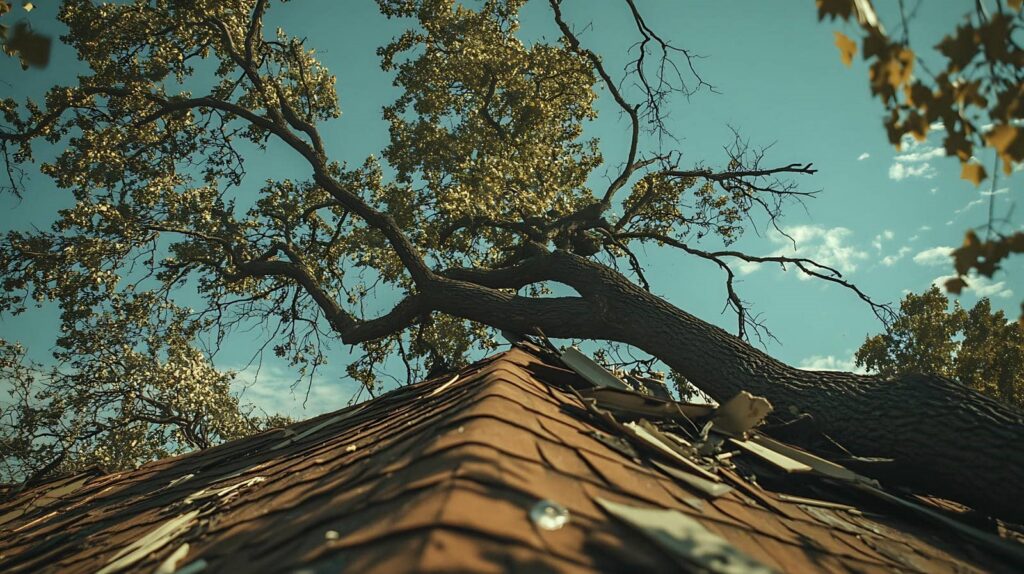
Storm damage may look localized, yet the effects can spread quickly through your home. You need to remove water, debris, and damaged materials right away because moisture can move into walls, floors, and insulation within hours. If you wait, you can face higher repair costs, greater safety risks, and hidden contamination. The first steps after a storm often determine how much you’ll have to restore later, and the details matter.
Key Takeaways
- Immediate cleanup limits water, debris, and contaminants from causing further structural damage.
- Fast action reduces hidden moisture that can spread into walls, floors, and ceilings.
- Prompt drying helps prevent mold growth, which can start within 24 to 48 hours.
- Early removal of standing water lowers safety risks and protects against weakened materials and flooding.
- Professional cleanup identifies hidden hazards and restores the property more safely and efficiently.
Why Storm Damage Cleanup Starts Right Away
When a storm has passed, cleanup should begin right away because delayed action can worsen damage, increase safety risks, and make restoration more difficult.
You protect your property best when you take immediate action and follow a disciplined storm response. You reduce the chance that debris, standing water, and loose materials create additional hazards for you and your neighbors.
You also help preserve affected areas by limiting exposure to weather, contaminants, and further wear.
Prompt cleanup lets you assess conditions with greater accuracy, organize repairs efficiently, and coordinate support with your community.
When you act quickly, you strengthen recovery and help everyone involved regain stability sooner.
This approach supports safety, reduces confusion, and creates a clear path toward restoration.
How Storm Damage Spreads Inside Your Home
Storm damage rarely stays where it first appears, and water, wind, and debris can spread problems quickly through walls, floors, ceilings, and hidden spaces in your home.
You may notice stains, odors, or warped materials, but damage often moves farther than you can see. It can weaken structural integrity, trap moisture retention, and create unsafe conditions in shared living areas.
- Inspect rooms adjacent to the impact area.
- Check insulation, trim, and subflooring for concealed damage.
- Remove debris before it spreads dirt and contamination.
- Dry affected surfaces promptly to limit further spread.
When you act quickly, you protect your home and help your household stay secure, informed, and supported through recovery.
Why Burst Pipes Make Storm Damage Worse
Burst pipes can quickly intensify storm damage because they release large volumes of water into areas that may already be compromised by wind, rain, or debris.
When frozen pipes thaw, they can split under rising water pressure and flood walls, floors, and insulation. You may not notice the full extent at once, but the added moisture can weaken materials, stain finishes, and spread contamination through shared spaces.
If you live in a storm-affected home, you need to treat any pipe failure as part of the larger event, not a separate issue. Prompt attention helps you protect your property, support your household, and stay aligned with a community that values safe recovery.
It also reduces the chance that hidden dampness will keep damaging structural components after the storm passes.
Why Water Extraction Can’t Wait
Water from burst pipes, roof leaks, or flood intrusion needs to be removed right away because standing moisture spreads damage quickly through floors, drywall, insulation, and structural framing. You need prompt water removal to limit further saturation and support moisture control throughout the affected area.
Wet materials can swell, warp, and lose strength.
Hidden water may move into cavities you can’t inspect easily.
Damp surfaces encourage corrosion on fasteners and metal fixtures.
Lingering moisture creates conditions that complicate safe occupancy.
When you act quickly, you help protect your property and stay aligned with a community that values careful, decisive response.
Immediate extraction doesn’t solve every issue, but it does stop water from remaining in place and worsening the loss.
How Early Mitigation Lowers Repair Costs
When you address damage early, you limit how far moisture, debris, and contamination can spread, which keeps repairs smaller and more manageable.
You also reduce the chance that materials will need full replacement instead of targeted restoration. By taking proactive measures, you give your property a better path to recovery and avoid escalating labor, equipment, and disposal costs.
Crews can often dry, clean, and secure affected areas before conditions worsen, which supports cost effective solutions and helps you stay within budget.
Early mitigation also shortens project timelines, so you can return to normal use sooner with less disruption.
When you act quickly, you join others who protect their homes with disciplined, practical decisions that preserve value and control expenses.
How to Prevent Mold After Storm Water Damage
Because mold can begin growing within 24 to 48 hours after storm water intrusion, you need to dry and clean affected areas quickly. You should apply mold prevention strategies by removing wet items, increasing ventilation, and using dehumidifiers.
Use moisture control techniques to keep indoor humidity low and to stop hidden dampness from lingering.
- Remove standing water promptly.
- Wash hard surfaces with detergent and clean water.
- Discard porous materials that stay saturated.
- Monitor humidity until spaces are fully dry.
You can protect your home and support your community by acting with discipline and consistency.
Inspect regularly, since early action reduces odor, limits contamination, and helps you return to a safer, healthier environment.
How to Protect Walls, Floors, and Insulation
Start by evaluating each wall, floor, and insulation cavity for saturation, swelling, staining, or structural distortion. Then remove damaged materials before they trap moisture and spread deterioration.
You should install moisture barriers where exposure continues, and you should pair them with water resistant materials that suit the repaired surface.
For wall insulation, replace any compressed or wet sections so the assembly can dry evenly and keep its designed performance.
Use floor protection such as sealed underlayment, protective coverings, or raised panels during cleanup to limit repeated contact with damp surfaces.
You can maintain a cleaner, more coordinated recovery when you document each area, match materials to the existing structure, and verify that repairs restore a stable, dry enclosure without hiding residual damage.
What Storm Water Does to Home Safety
Storm water can quickly turn a home from stable to unsafe by weakening structural materials, contaminating living areas, and creating hidden hazards that may worsen after the visible flooding is removed.
You reduce flood risks when you act fast, document damage, and arrange home inspections that identify compromised framing, wiring, and footing. Use moisture control to limit ongoing damage, and restore drainage systems so water doesn’t pool near the foundation. Temporary water barriers can help shield entry points during future storms.
- Check floors, stairs, and railings for soft spots.
- Keep children and pets away from affected rooms.
- Contact emergency services if you smell gas or see electrical hazards.
- Follow local guidance so your household stays informed and protected.
Why Mold Testing Comes After Cleanup
Once cleanup removes standing water, debris, and saturated materials, mold testing can more accurately reveal whether hidden growth remains in walls, subfloors, or HVAC components.
You reduce false positives because testing methods work best after surfaces dry and air conditions stabilize. When you test too soon, leftover moisture can mask the real extent of mold growth or make normal dust seem like contamination.
After cleanup, you can compare indoor air and surface samples with greater confidence, which helps you understand whether your home truly needs further action.
This sequence also supports clear decisions for you and your family, since accurate results build trust and help everyone feel informed, prepared, and included in the recovery process.
When to Call Storm Damage Cleanup Pros
You should call storm damage cleanup professionals when the damage is too extensive, unsafe, or time-sensitive to handle on your own. They can complete a storm assessment, identify hidden hazards, and coordinate cleanup efficiently so you feel supported through recovery.
You should also contact them when:
- Structural damage makes entry risky
- Water intrusion threatens flooring or walls
- Debris removal requires heavy equipment
- Power lines, gas leaks, or contaminated materials are present
Professionals use proper tools, follow safety standards, and reduce delays that can worsen losses. If you want your property restored with confidence, timely expert help is the most reliable choice.
Their work helps you protect your space, your neighbors, and your peace of mind while moving forward.
Frequently Asked Questions
How Long Does Storm Damage Cleanup Usually Take?
You’ll usually need a cleanup duration of several hours to several days, depending on weather factors, damage extent, and access. You can expect minor debris removal quickly, while structural repairs and drying often take longer.
Does Insurance Cover Emergency Storm Cleanup Services?
Yes—your insurance policies may cover emergency services after a storm, especially if they prevent further loss. You’ll need to review exclusions, document damage, and contact your insurer quickly to confirm eligible reimbursement.
Can I Stay in My Home During Storm Damage Cleanup?
You can stay in your home during storm damage cleanup if professionals confirm storm safety and complete a home assessment. You’ll need unaffected rooms, proper ventilation, and access restrictions, but structural, electrical, or mold risks may require relocation.
What Equipment Do Professionals Use for Water Removal?
You’ll see water extraction units, including truck-mounted pumps, portable extractors, air movers, and dehumidifiers. Like lanterns in floodwater, these equipment types help you reclaim your space quickly, thoroughly, and safely after damage.
How Soon Should I Photograph Damage for My Claim?
Photograph damage immediately, before moving items, so you strengthen claim documentation and support accurate damage assessment. You should capture wide shots and close-ups within hours, then continue documenting changes until your insurer completes inspection.
Final Thoughts
You need to act fast after storm damage because delay deepens destruction. Prompt cleanup helps you stop spreading water, protect walls, floors, and insulation, and reduce repair costs before minor issues become major hazards. It also limits mold, contamination, and safety risks inside your home. When you respond right away, you’re not just cleaning up debris—you’re preserving structure, preventing problems, and protecting your property with practical, professional, and proven precision.