
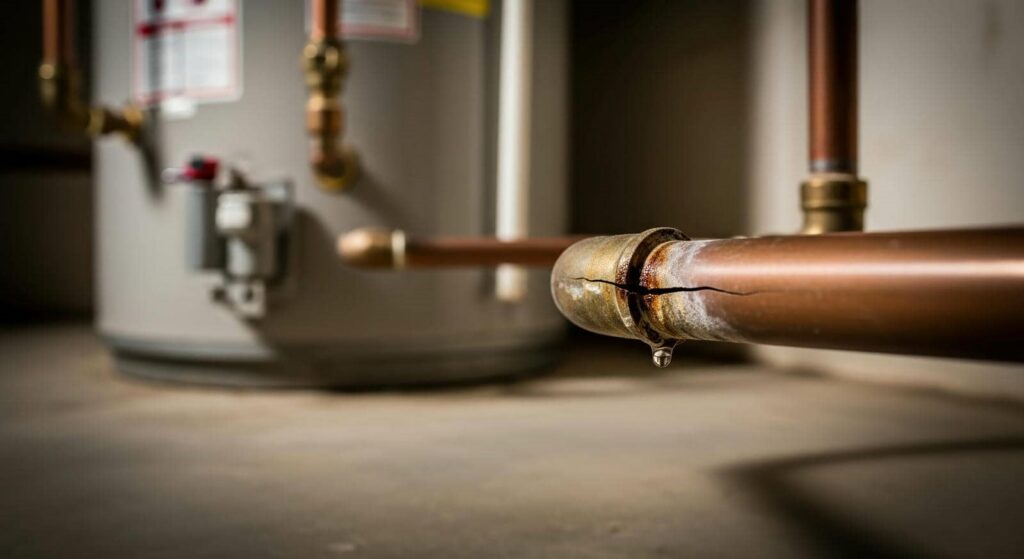
When a pipe bursts, you need to act fast or the damage spreads in minutes. You shut off the main water supply, move valuables out of the wet area, and start removing standing water right away with the right equipment. Then you dry walls, floors, and hidden cavities before moisture turns into mold. The next steps decide whether you’re dealing with a simple cleanup or a major restoration.
Key Takeaways
- Shut off the main water valve immediately and isolate the burst pipe if possible.
- Move electronics, papers, and valuables away from the flooded area.
- Remove standing water quickly using pumps, wet/dry vacuums, or utility extractors.
- Dry the space with air movers and dehumidifiers to prevent hidden moisture and mold.
- Inspect for damage, document everything, and repair or replace compromised walls, floors, and contents.
Stop the Water and Protect Your Home
Shut off the water source right away and move fast to limit the damage. You need to close the main valve, then check nearby fixtures for pressure release.
If you can safely reach the leak, isolate that line and call a licensed plumber. Your next step is a quick pipe inspection to spot cracks, loose joints, or corrosion that could worsen the failure.
Protect your home by moving electronics, papers, and valuables away from the affected area. Keep an emergency kit ready with towels, a flashlight, gloves, and a wrench, so you’re not scrambling when minutes matter.
If you’re part of a household crew, assign tasks now so everyone acts with confidence. Stay focused, communicate clearly, and you’ll control the situation before it spreads.
Remove Standing Water Fast
Once you’ve stopped the source, get the standing water out as quickly as possible to limit swelling, staining, and mold growth.
Use fast water removal tools before water migrates under baseboards or into seams. If the volume is high, choose pump options that match the depth: submersible pumps for deeper flooding, utility pumps for moderate pooling, and wet/dry vacuums for shallow water.
Work in sections, starting at the lowest point, and keep hoses directed to a safe drain or exterior discharge. You’re not handling this alone; move methodically with your team, wearing gloves and boots.
Check hidden pockets behind furniture and under rugs, then clear them immediately. The faster you remove bulk water, the better you protect the structure and keep recovery on track.
Dry the Area Quickly
Now that the bulk water’s gone, you need to dry the area immediately with high-velocity air movers and dehumidifiers to stop moisture from settling into framing, drywall, and flooring.
Position equipment to create crossflow across wet surfaces, and keep doors open only when it helps airflow. For effective dehumidifier usage, size the unit to the space and empty or drain it continuously so it can run without interruption.
Use ventilation tips like exhausting moist air outdoors when conditions allow, but don’t introduce humid outside air that slows drying.
Check surface temperatures and air circulation throughout the space, and adjust fan placement as needed.
You’re not handling this alone; a fast, coordinated drying setup protects your home, your crew, and the people who count on you.
Look for Hidden Moisture and Mold
Even after visible water is removed, you need to check for hidden moisture in cavities, under flooring, behind baseboards, and inside insulation, because trapped water can keep spreading damage and create mold within 24 to 48 hours.
Use moisture detection tools to map damp spots, then compare readings across walls, trim, and subfloors. If you find elevated levels, keep drying equipment running and isolate the area so your home team stays protected.
A focused mold inspection helps you catch early growth before spores spread through HVAC or adjacent rooms. Trust your sensors, but also use smell and touch for clues.
Act fast, document every finding, and share results with your mitigation crew so they can move with you and stop the problem at the source.
Repair Walls, Floors, and Contents
After hidden moisture is contained and drying readings have stabilized, start repairs on walls, floors, and contents without delay.
You need to remove damaged drywall, trim, insulation, and warped subflooring, then document every component before replacement.
For wall restoration, use moisture-rated materials, tape, mud, sand, and repaint only after framing passes inspection.
Evaluate flooring options, because hardwood may need sanding or full replacement, while tile and vinyl often require selective resets.
Salvage clean contents by disinfecting, drying, and cataloging items for storage or return.
Keep your team aligned with clear scopes, material lists, and daily progress checks so nothing gets missed.
Move fast, stay organized, and restore the space to a safe, livable condition together.
Frequently Asked Questions
How Do I Find the Main Water Shutoff Valve Quickly?
Check near your water meter, basement, garage, or outside perimeter wall for the water shutoff valve. You’ll usually see a wheel or lever. Practice emergency preparedness now so you belong to the people who can act fast.
Will My Insurance Cover Burst Pipe Water Damage?
Often, yes—if you act fast and document the water damage. You’ll need to file insurance claims, show the burst pipe wasn’t due to neglect, and work with your adjuster quickly to protect coverage.
When Should I Call a Professional Water Mitigation Company?
You should call a professional water mitigation company immediately when damage seems minor—because hidden moisture loves to become major. Their emergency response stops spread fast, protects your home, and supports your pipe maintenance plan.
How Can I Prevent Pipes From Bursting Again?
You can prevent future bursts by installing pipe insulation, sealing drafts, and completing winter preparation early. Keep indoor temperatures steady, let faucets drip during freezes, and inspect vulnerable lines regularly so you’ll protect your home together.
What Signs Indicate Hidden Water Damage After Cleanup?
Stains, warped floors, musty odors, peeling paint, and swelling walls show hidden water damage—could you ignore that? Use moisture detection to find hidden leaks fast, protect your home, and keep your space safe.
Final Thoughts
When a pipe bursts, you don’t get the luxury of hesitation—you get water, fast. Shut off the main valve, pull out standing water, and run air movers and dehumidifiers before moisture hides in walls like a thief in the dark. Then inspect for mold, damage, and warped materials so you can repair what the flood tried to ruin. Act quickly, and you’ll stop a small failure from becoming a costly disaster.