
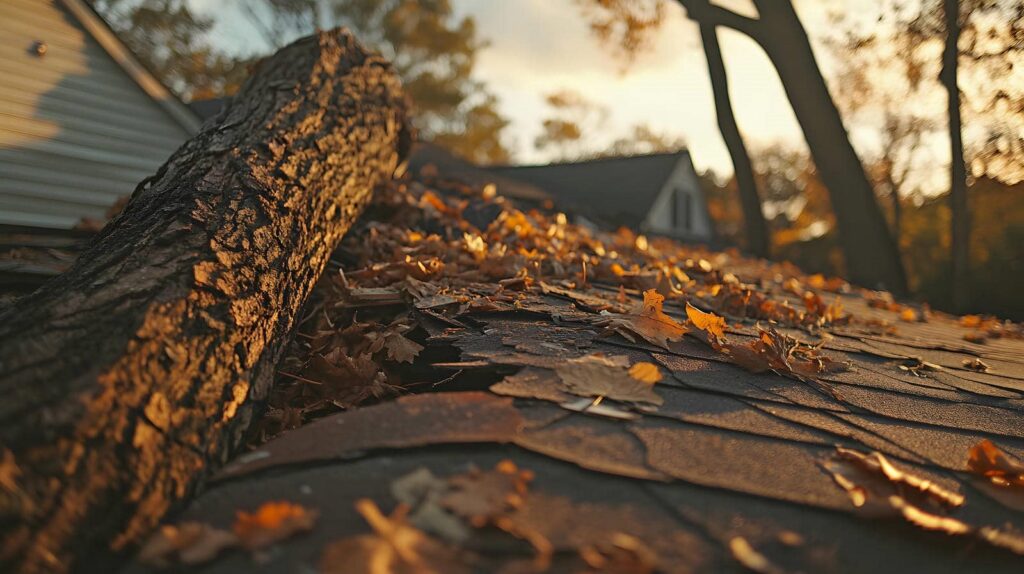
After a windstorm tears shingles from your roof and water starts pooling in your attic, you need to act fast. You should check for downed power lines, gas leaks, and other hazards before entering, then document every visible issue with photos and notes. From there, you can limit damage with temporary repairs, inspect for hidden water intrusion, and contact your insurer, but the next steps often determine how much you’ll recover.
Key Takeaways
- Check for immediate hazards like downed power lines, gas leaks, unstable structures, and broken glass before approaching damaged areas.
- Document all damage safely with photos and notes, then contact your insurer, landlord, or emergency services if needed.
- Inspect roofs, windows, and plumbing for water intrusion, and make temporary repairs like tarps, buckets, and weatherproof sealant.
- Avoid indoor hazards such as wet floors, exposed wiring, sagging drywall, and slippery debris; use flashlights instead of candles.
- Call qualified storm damage professionals and file your insurance claim promptly with photos, receipts, and repair estimates.
Immediate Steps After Storm Damage
After a storm, you should first check for immediate hazards before entering or moving through the property.
Look for downed power lines, gas odors, fallen trees, broken glass, and unstable structures. If you notice flooding, electrical damage, or structural shifting, keep your distance and document what you can from a safe spot.
Use storm preparedness tips to guide your next actions, such as shutting off utilities only if you know how and it’s safe. Then contact your insurer, landlord, or local emergency services as needed.
Take clear photos and notes for records. These first steps help you protect your household and support an organized recovery.
Solid home maintenance advice also helps you understand what conditions need prompt professional attention.
Stay Safe Before Cleanup
Before you start cleaning up, make sure the area is safe for you and anyone helping.
Put on safety gear, including gloves, boots, and eye protection, before you step outside.
Keep your emergency kit nearby with water, a flashlight, batteries, and basic first aid supplies.
Watch for downed power lines, broken glass, sharp debris, and unstable structures, and stay clear of anything that could shift or fall.
If you smell gas or hear hissing, leave at once and contact emergency services.
Work with a partner when possible so someone can get help if needed.
Take your time, follow local guidance, and only enter areas you can assess safely.
Your caution protects everyone and helps your crew stay ready.
Inspect for Water Intrusion
After the storm, check for leaks around roofs, windows, ceilings, and plumbing lines.
If you find water intrusion, dry the affected areas quickly to reduce the risk of mold and further damage.
Document what you see so you can address repairs and insurance claims accurately.
Check For Leaks
Once the wind and rain have passed, you should inspect your home for signs of water intrusion, since even small leaks can lead to serious damage if you don’t catch them early.
Focus on leak detection in ceilings, walls, attics, and around windows, vents, and chimneys. During a careful roof inspection, look for missing shingles, lifted flashing, and debris that may trap moisture.
Check for stains, damp spots, peeling paint, musty odors, or active dripping, and note where each issue appears. If you find water entry, document it with photos and contact a qualified professional promptly.
You’re not alone in this process; many homeowners rely on a methodical check to protect their property and restore confidence after a storm.
Dry Affected Areas
Start drying any affected areas as soon as you’ve confirmed where water got in, because trapped moisture can spread damage quickly.
You should remove wet rugs, furniture pads, and items that hold moisture, then elevate belongings so air can reach all sides. Open windows if weather allows, and increase air circulation with fans aimed across surfaces, not directly into standing water.
Use dehumidifier use in closed rooms to reduce humidity and speed evaporation.
Check baseboards, drywall, insulation, and flooring for swelling, staining, or soft spots, since hidden water can linger behind finishes.
If materials stay damp after 24 to 48 hours, arrange professional drying to limit mold growth and structural damage.
Stay organized, document conditions, and keep your space safe while recovery moves forward.
Stop Leaks and Block Further Damage
If water is still getting in, move quickly to limit the damage by placing buckets or waterproof containers under leaks, covering damaged roof sections with tarps or plastic sheeting, and using towels or absorbent materials to protect floors and belongings.
Next, inspect windows, vents, and wall openings for gaps that need temporary repairs. Seal small cracks with weatherproof tape or caulk, and secure loose shingles or siding when it’s safe to do so.
Use practical waterproofing solutions to redirect runoff away from your home, including extending downspouts and clearing debris from gutters. You’re protecting your space and helping your household stay steady during a stressful repair period.
Keep checking problem areas after each round of rain so you can stop new leaks before they spread further into your structure.
Start Emergency Water Extraction Fast
Remove standing water as quickly as possible to limit structural damage, mold growth, and safety hazards. You should begin emergency water extraction fast, because every minute counts after storm damage.
Use proven water removal techniques such as pumps, wet vacuums, and extraction tools sized for the affected area. If you have emergency equipment on hand, set it up safely and work from the highest water level down.
Turn off electricity in wet areas before you enter, and wear protective gear to reduce exposure to contaminants. You’ll protect your property and help your household feel more in control.
If the flooding is extensive, call a qualified restoration team right away. Fast action can reduce losses and keep your recovery on track.
Dry Walls, Floors, and Contents
Once standing water is out, focus on drying the affected areas to prevent further deterioration. You can protect your home by using proven drying techniques that move air across walls, floors, and contents.
Start by opening pathways for airflow and removing damp materials from enclosed spaces. Then, separate salvageable items so you can track material restoration more easily and reduce losses.
- Place fans to circulate air along surfaces, not just into open rooms.
- Use dehumidifiers to pull moisture from the air and building materials.
- Dry contents separately, cleaning and relocating items with care.
You should monitor progress daily and adjust equipment placement as materials release moisture. This steady approach helps you restore function, keep your space organized, and support a smoother return to normal life.
Look for Mold After Flooding
Even after the water is gone, you should check for mold in hidden and visible areas, since damp materials can begin growing mold within 24 to 48 hours.
Inspect baseboards, drywall seams, insulation, carpet padding, closets, and under sinks for discoloration, musty odors, or soft surfaces. You can document what you find and compare affected areas across rooms to spot patterns.
Keep indoor humidity low, improve airflow, and remove wet porous items to support mold prevention strategies.
If you notice growth, clean small nonporous surfaces promptly and isolate contaminated materials. Use appropriate mold remediation techniques to remove residues and limit spread.
When to Call Storm Damage Experts
You should call storm damage experts when you see visible structural damage, such as roof movement, cracked walls, or shifted framing.
You also need professional help if indoor safety hazards exist, including exposed wiring, gas leaks, standing water, or unstable ceilings.
Experts can also document damage and support your insurance claim with clear assessments and repair estimates.
Visible Structural Damage
If storm damage leaves cracks in walls, sagging ceilings, shifted rooflines, or a leaning chimney, call storm damage experts right away. You may be seeing more than surface wear; you’re noticing signs that your home’s structural integrity needs prompt review.
A trained damage assessment helps identify whether framing, load-bearing walls, or roof supports have moved.
- Photograph each visible change from several angles.
- Note when you first saw it and whether it’s worsening.
- Contact qualified professionals for an on-site evaluation.
You don’t need to guess at the extent of the problem. By getting expert input early, you protect your property and stay connected to a community of homeowners who act quickly, document carefully, and make informed repairs that support long-term stability.
Safety Hazards Indoors
When storm damage creates indoor hazards such as exposed wiring, gas odors, standing water near outlets, damaged ceilings, or broken glass, call storm damage experts and emergency services right away.
You shouldn’t enter rooms with electrical hazards or slippery surfaces until utilities are shut off and the area is declared safe. Stay with your household in one secure space, away from sagging drywall, wet floors, and debris.
Use flashlights instead of candles, and avoid switching on lights or appliances if you smell gas or see moisture near outlets.
If ceilings bow, walls crack, or insulation falls, let trained professionals assess the damage. Acting quickly helps protect your home and keeps everyone in your circle safe while recovery begins.
Insurance Claim Support
Storm damage experts can help document losses, identify hidden damage, and provide the records insurers often need to process a claim accurately. You should call them when damage seems widespread, when water intrusion isn’t obvious, or when you’re unsure how your policy coverage applies. Their reports can strengthen your claim process and reduce delays.
They inspect roofs, siding, attic spaces, and interiors for issues you might miss.
They photograph damage, estimate repairs, and organize evidence for the insurer.
They explain findings clearly so you can make informed decisions and feel supported.
If the adjuster’s estimate seems low, expert documentation can help you challenge it. Working with a qualified team gives you a clearer path forward and helps you protect your home and your claim.
File Your Insurance Claim Correctly
After the damage is documented, you should file your insurance claim as soon as possible to help protect your coverage and speed up repairs.
Gather claim documentation, including photos, receipts, repair estimates, and the storm date, so your insurer can verify the loss quickly.
During your policy review, check deductibles, coverage limits, and any deadlines that apply to wind, water, or debris damage.
Report the claim with clear facts, and keep a written record of every call, email, and claim number.
If the adjuster requests more information, respond promptly and stay organized.
You’re part of a community that handles recovery step by step, and careful filing helps you move forward with confidence and less delay.
Frequently Asked Questions
How Do I Document Storm Damage for My Records?
You should photograph every damaged area, note dates and times, save receipts, and keep a written damage assessment. Share copies with your insurer for insurance claims, and organize everything so you’ll feel supported throughout recovery.
Can I Stay in My Home After Minor Roof Damage?
Yes, you can stay if the damage is truly minor, but don’t gamble with a leaking roof like it’s the end of the world. Schedule a roof inspection, make temporary repairs, and stay alert for worsening damage.
What Should I Do With Spoiled Food After a Storm?
You should discard spoiled food immediately to prevent illness. Follow safety precautions, keep perishables that reached unsafe temperatures, and use proper food disposal methods. If you’re unsure, throw it out and clean affected containers thoroughly.
How Do I Protect Important Documents From Future Storms?
You can protect important documents by using waterproof, fireproof document storage, and keeping digital copies offsite. During storm preparedness, store originals in sealed containers, elevate them, and update backups regularly, because an ounce of prevention matters.
What Emergency Supplies Should I Restock After Cleanup?
Restock first aid kits, battery supplies, flashlights, bottled water, nonperishable food, hygiene items, blankets, and phone chargers. You should also replace medications, disinfectants, and backup batteries so you’re ready for the next outage.
Wrap-Up
After the storm, you move like a careful lantern through the dark, checking for danger, noting every scar, and protecting what you can. You’ve already taken the first steps: stayed safe, stopped leaks, dried out damage, and watched for mold’s silent bloom. Now keep your records sharp and your claims clear. If the damage runs deep, call in experts. With steady action, you can turn chaos into recovery, one solid step at a time.