
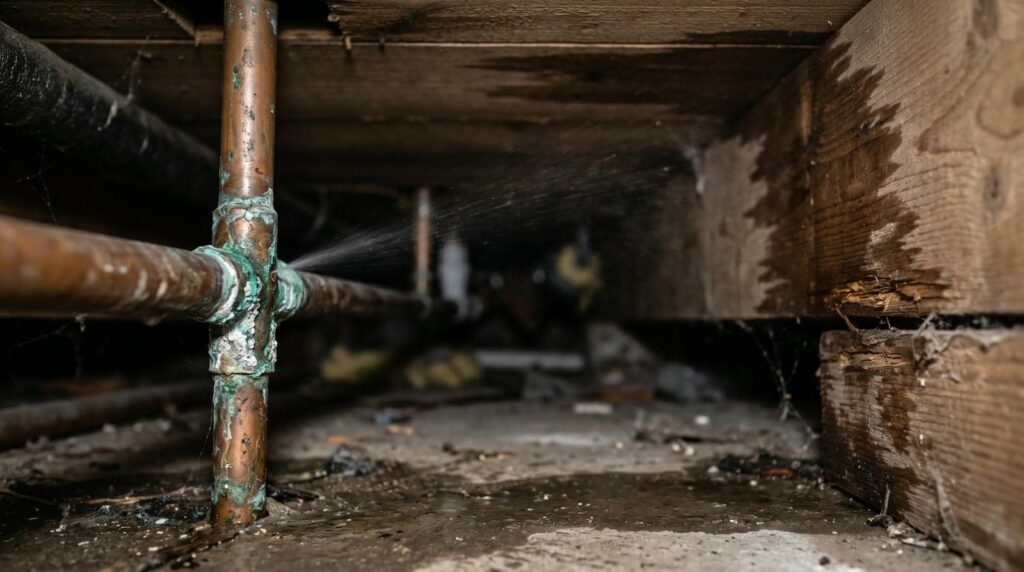
A burst pipe in your laundry room can release gallons in minutes, and every minute counts. You shut off the main valve, then document the damage before water spreads into cavities and flooring. From there, you remove standing water, pull saturated materials, dry hidden spaces, and sanitize affected surfaces. The final check is mold and structural damage, because what you miss now can turn into a larger remediation job later.
Key Takeaways
- Shut off the nearest valve and main water supply immediately to stop flooding.
- Turn off electricity near the leak if it is safe to do so.
- Document all damage with photos and a room-by-room list before cleanup.
- Remove standing water, soaked materials, and damaged drywall to prevent mold.
- Dry the area with fans and dehumidifiers, then call a qualified restoration professional.
Stop the Water and Shut Off the Main
Start by stopping the water at the source as quickly as you can. If you can reach the burst pipe safely, close the nearest valve first, then shut off the main water supply to isolate the line. Turn the valve clockwise until it stops.
If the leak is near electrical equipment, keep clear and cut power only if you can do so without risk. Alert everyone in your home so no one restores flow by mistake. Keep your emergency contacts ready in case you need a plumber or utility support.
Once the water is off, check that fixtures stop running and pressure drops. This quick control helps limit structural damage and can support insurance claims later.
Stay calm, work methodically, and you’ll protect your home and your people.
Document the Damage Quickly
Document the damage as soon as it’s safe, before cleanup or drying changes the scene.
Photograph all affected areas from multiple angles, including walls, floors, ceilings, and visible water lines.
Record each damaged belonging with a brief description, condition, and location to support your claim and repair plan.
Photograph All Affected Areas
Use your phone or camera to capture every affected area before cleanup begins, including walls, floors, ceilings, baseboards, contents, and any visible source of the leak.
Take wide shots first, then move in for close-ups that show staining, pooling, swelling, and structural damage from the water damage event. Keep the camera steady and use flash if the area is dark.
Photograph each room from multiple angles so your emergency response team can verify conditions fast. Include timestamps if your device supports them, and don’t move materials before you document them.
Clear, complete photos help you stay organized, support restoration decisions, and give your crew the evidence they need to act with confidence and work as a team.
Record Damaged Belongings
Your inventory matters now: list every damaged belonging as soon as you can, before items are moved, dried, or discarded.
Create a room-by-room log with item names, quantities, materials, brands, model numbers, and visible damage. Note saturation level, stains, odors, swelling, warping, and electrical exposure.
Assign each item a photo reference and keep receipts, manuals, or prior estimates when available.
Separate salvageable pieces from losses, but don’t clean or throw anything away until the adjuster approves. This record supports insurance claims and helps the restoration process move faster.
If you value your space and the things that make it feel like yours, precise documentation protects both replacement decisions and emotional continuity.
Update the list as crews uncover hidden damage.
Remove Standing Water Immediately
Act quickly to remove standing water as soon as it appears, since even small amounts can seep into flooring, drywall, and structural cavities.
Use water removal techniques that match the volume present: a wet/dry vacuum for light accumulation, a pump for deeper pooling, and towels only for residual films.
Your immediate response strategies should prioritize safe access, electrical shutoff if needed, and continuous extraction until surfaces no longer glisten.
Work from the perimeter toward the center so you don’t spread contamination. Check corners, under cabinets, and around baseboards for hidden water.
If you’re coordinating with your team or family, assign one person to monitor progress and another to run equipment.
Fast, organized removal limits migration, reduces secondary damage, and keeps your mitigation effort on track.
Pull Out Wet Materials
Pull out soaked materials as soon as possible to reduce moisture retention and limit secondary damage.
You should remove wet carpets, padding, insulation, and similar items that can’t dry quickly or safely in place.
Clear damaged furnishings from the affected area so you can access hidden moisture and start drying the structure.
Remove Soaked Materials
Start by removing any soaked materials that can’t be salvaged, since wet drywall, insulation, carpet padding, and porous furnishings hold moisture and can quickly grow mold.
Use targeted removal techniques so you limit spread and keep the site stable.
- Wear safety precautions: gloves, boots, and an N95 respirator.
- Cut out saturated drywall and insulation in clean sections.
- Bag debris fast, then follow local disposal methods.
- Set drying equipment near exposed framing to reduce lingering dampness.
You can sort soaked materials for restoration options only if they’re nonporous and structurally sound.
If contamination, hidden damage, or heavy saturation is present, get professional assistance right away.
Keep your cleanup strategies organized, move methodically, and stay focused so your team restores the space with confidence.
Clear Damaged Furnishings
Once you’ve removed soaked building materials, clear out damaged furnishings that can’t be dried and sanitized safely.
You should move furniture, rugs, and loose decor to a dry staging area so your team can inspect each item. During moisture assessment, note swelling, delamination, rust, staining, and odors; these signs often mean hidden contamination.
If upholstery, particleboard, or laminate has wicked water deeply, don’t delay removal. Separate salvageable pieces from disposal items to support efficient furniture restoration and prevent cross-contamination.
Lift items carefully to avoid spreading debris and damaging floors. Keep pathways open for dehumidifiers and air movers, and label everything you remove.
When you work methodically, you protect the space and help everyone on site stay coordinated and confident.
Dry Walls, Floors, and Hidden Spaces
Even after standing water is gone, moisture can remain trapped in drywall, flooring assemblies, and concealed cavities, so you need to dry these areas promptly and methodically. Use moisture meters to verify progress and guide mold prevention.
Open baseboards and access panels to expose hidden leaks.
Run dehumidifiers and targeted fans for strong air circulation.
Apply insulation techniques that let cavities vent without spreading moisture.
Track moisture control daily before wall restoration or choosing flooring options.
You’ll protect your space and support the crew by keeping drying methods consistent, documenting readings, and avoiding closed-off pockets.
In tight communities, shared discipline matters: every dry wall, subfloor, and void reduces risk and helps you move toward stable, safe recovery with confidence.
Clean and Sanitize Damaged Areas
With the structure dried, you can clean and sanitize all affected surfaces to remove dirt, residues, and microbial contamination.
Begin with approved cleaning techniques, such as wiping hard surfaces with detergent and warm water, then rinsing and drying them thoroughly.
For porous materials that remain salvageable, use targeted agitation to lift debris without driving moisture deeper.
Select sanitization products that suit the surface and follow label contact times exactly, because stronger isn’t always better.
Wear gloves and eye protection, and keep ventilation moving so you can work safely and efficiently.
Clean from top to bottom, changing cloths and solution as they soil.
Inspect for Mold and Structural Damage
After cleanup and drying, inspect the area for any signs of mold growth or structural compromise. You’ll protect your home and your crew by checking every surface, joint, and cavity with care.
Use mold detection methods like visual scans, moisture meters, and a flashlight to spot hidden dampness. Verify structural integrity by examining drywall, framing, subflooring, and insulation for swelling, warping, or soft spots.
If you notice discoloration, musty odors, or cracking, document it immediately and isolate the affected zone.
- Check behind baseboards.
- Probe suspect materials.
- Measure humidity levels.
- Call a qualified remediator or engineer.
Working together on these details helps you catch issues early, limit repairs, and restore a safe, trusted space.
Frequently Asked Questions
How Can I Tell if the Pipe Burst Is Hidden Inside a Wall?
You’ll notice hidden signs like warm spots, bubbling paint, damp drywall, or unexplained mold. During a wall inspection, you can use a moisture meter and listen for hissing to confirm a hidden burst.
What Should I Do if the Burst Happens During Freezing Weather?
If a burst happens during freezing weather, you should shut off water, drain lines, and call a plumber. Keep emergency supplies ready, insulate exposed pipes, and follow prevention tips to protect your home and community.
Will My Insurance Cover Burst Pipe Water Damage Mitigation?
Usually, yes your insurance policies may cover burst pipe water damage mitigation, but you’ll need to check coverage limits, exclusions, and deductible terms. You should document damage quickly, then file a claim promptly.
How Long Does the Drying Process Usually Take After a Burst Pipe?
Usually, you’ll dry out in 3–7 days, like a room after a summer storm. You’ll need drying equipment and a moisture assessment, and you’ll belong to the safest path when you monitor conditions closely.
When Should I Call a Professional Water Mitigation Company?
You should call a professional water mitigation company immediately after any burst pipe, especially if you need emergency response or damage assessment. They’ll stop spread, verify moisture, and protect your property’s structure and belonging.
Wrap-Up
So there you have it: your glamorous seven-step tour through burst pipe chaos. You shut off the water, document the mess, yank out soaked materials, dry every sneaky cavity, and sanitize like a pro. Then you inspect for mold and structural damage before it turns your home into a science fair. Act fast, stay methodical, and don’t let a “minor leak” audition for a full-blown disaster.